Hebron
I was tasked by the Hebron Rehabilitation Committee to set up Hebron’s Old City Museum in a historic building that had served as the city’s first hotel during the first half of the last century.
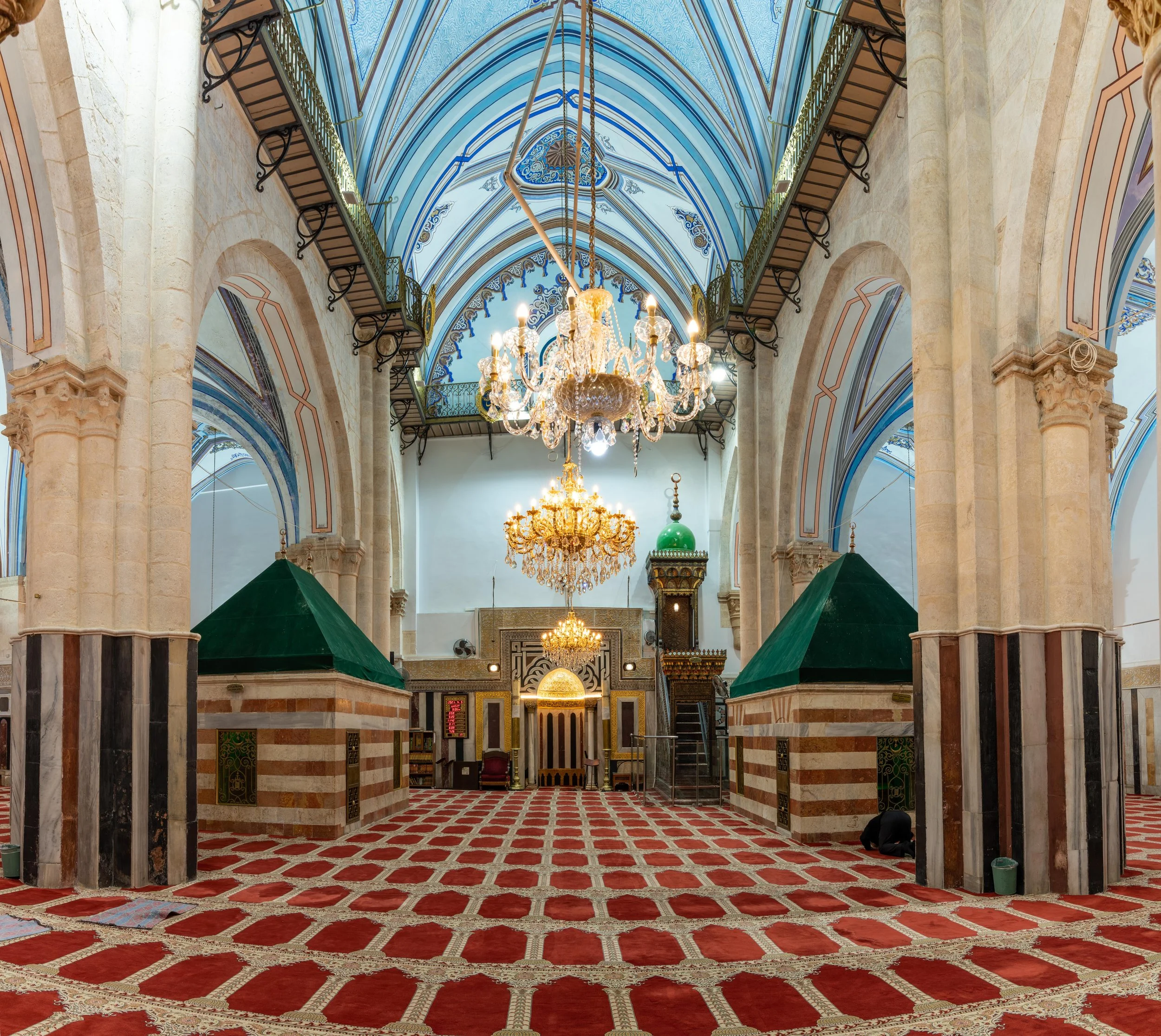
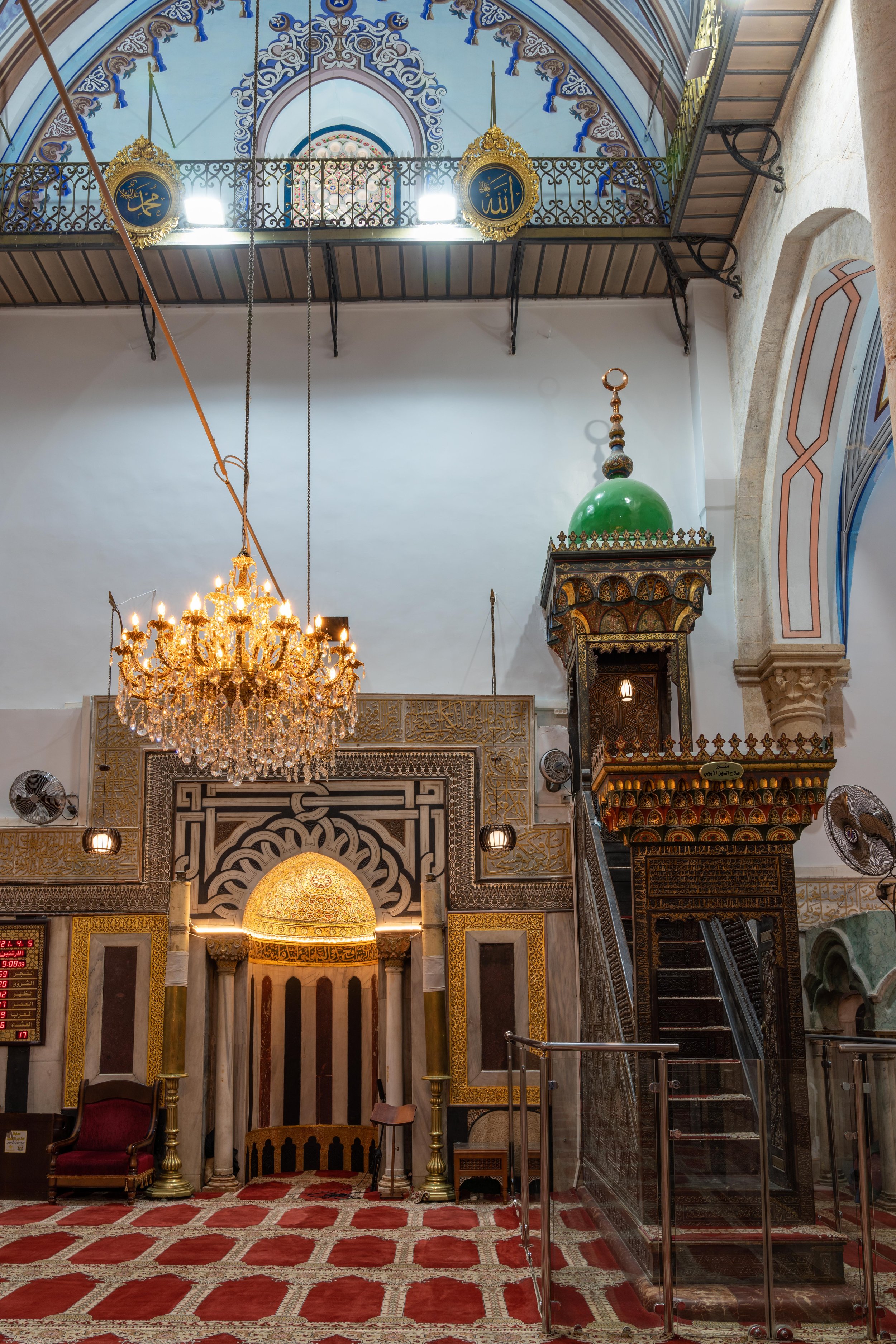
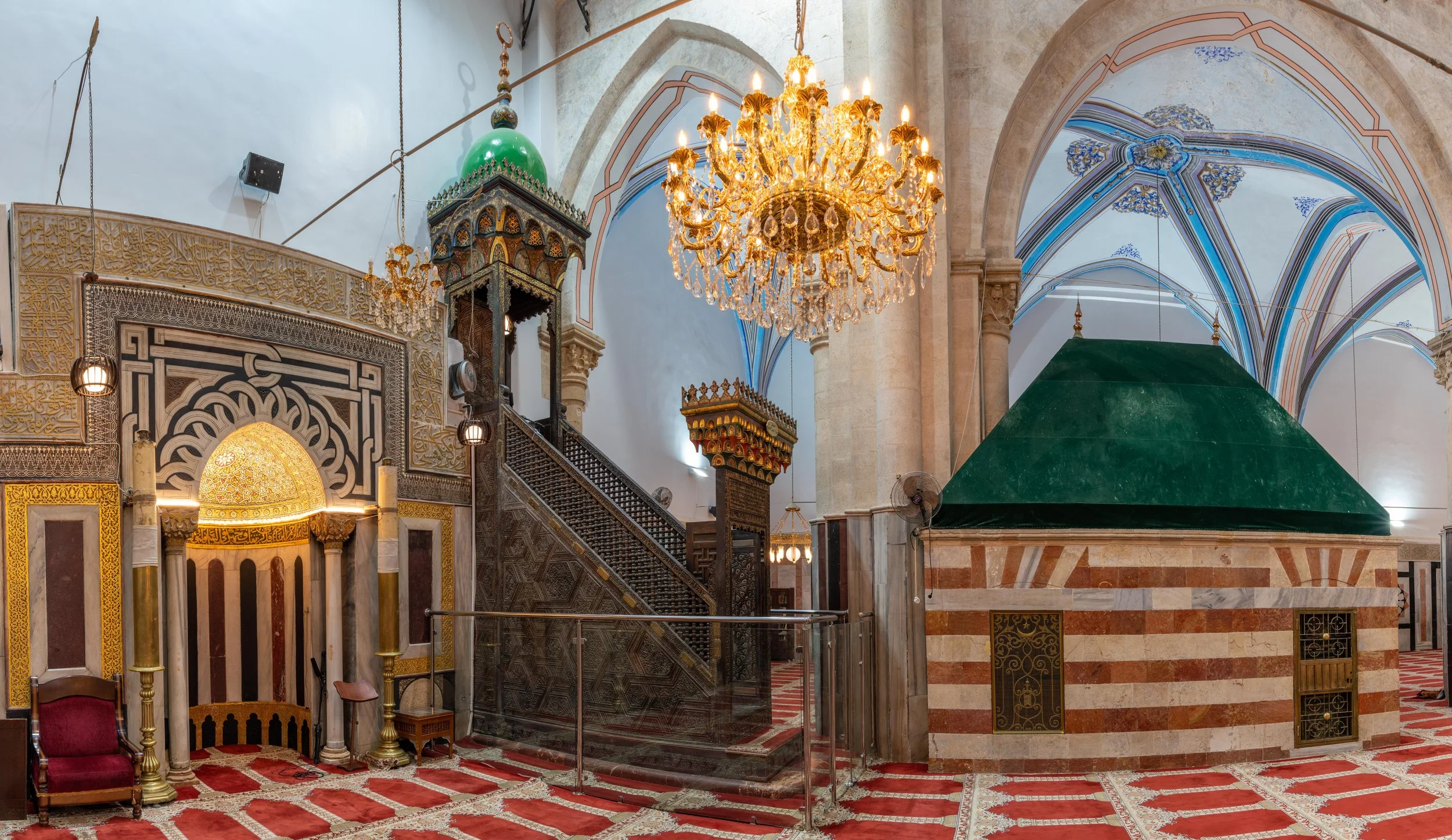
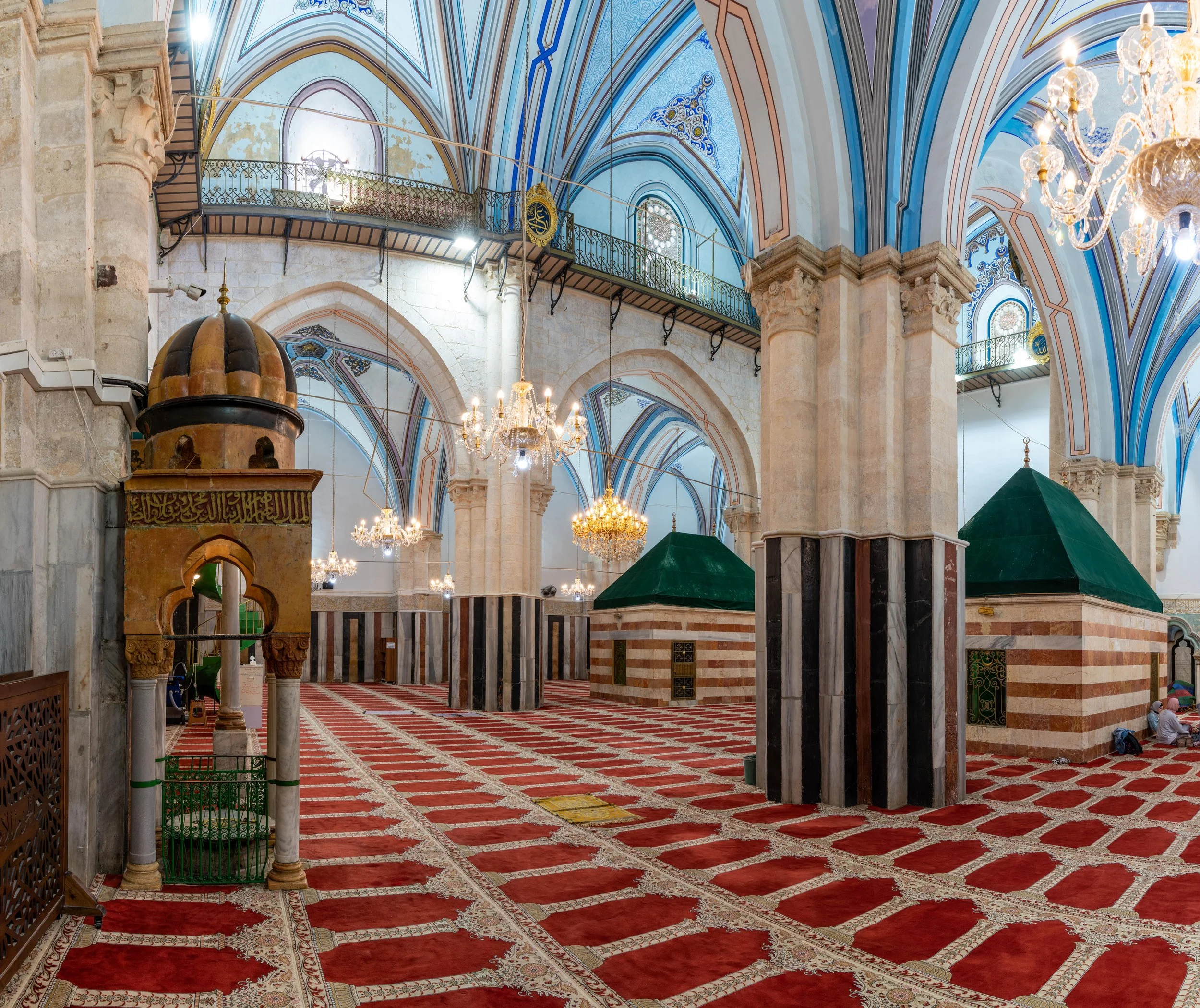
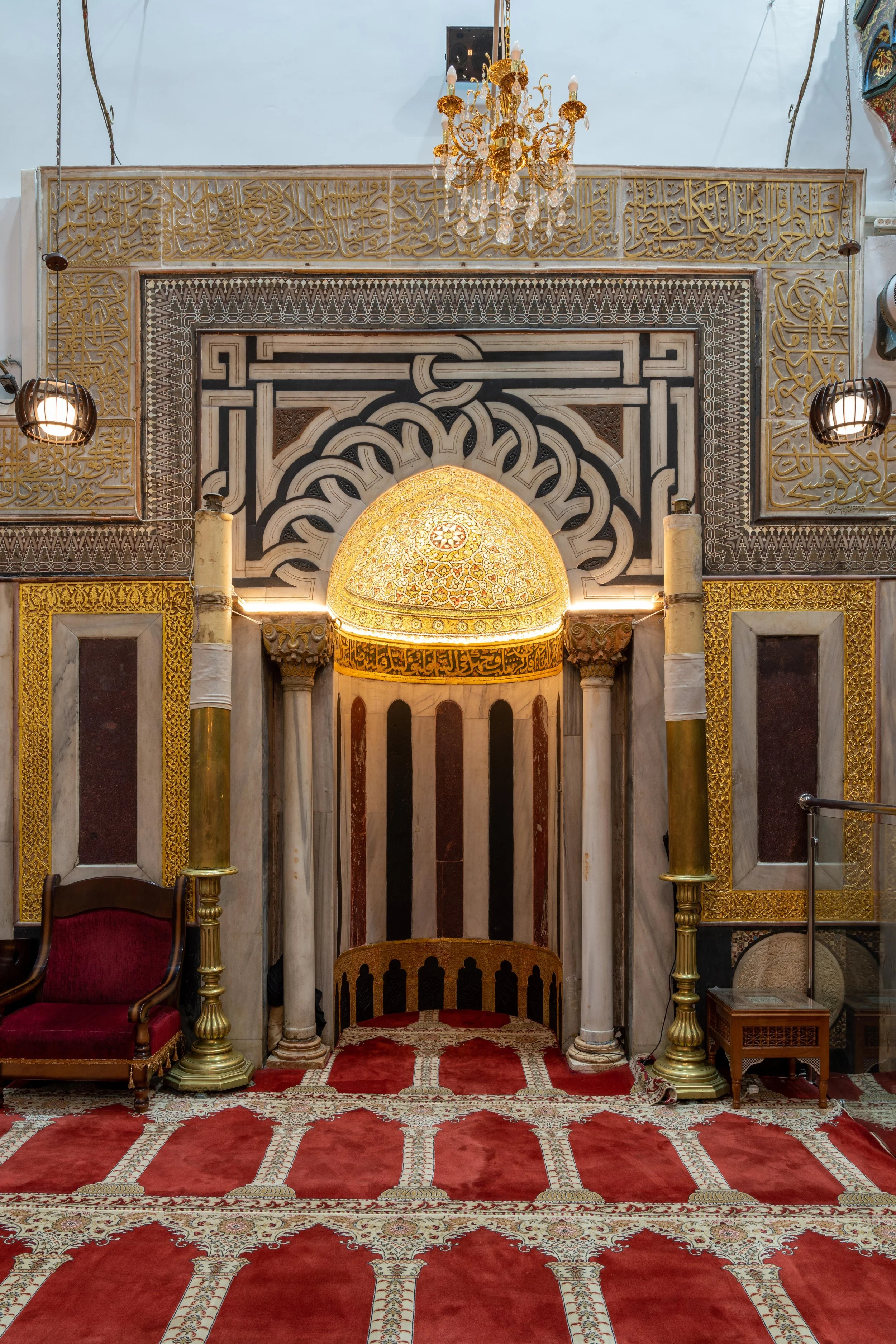
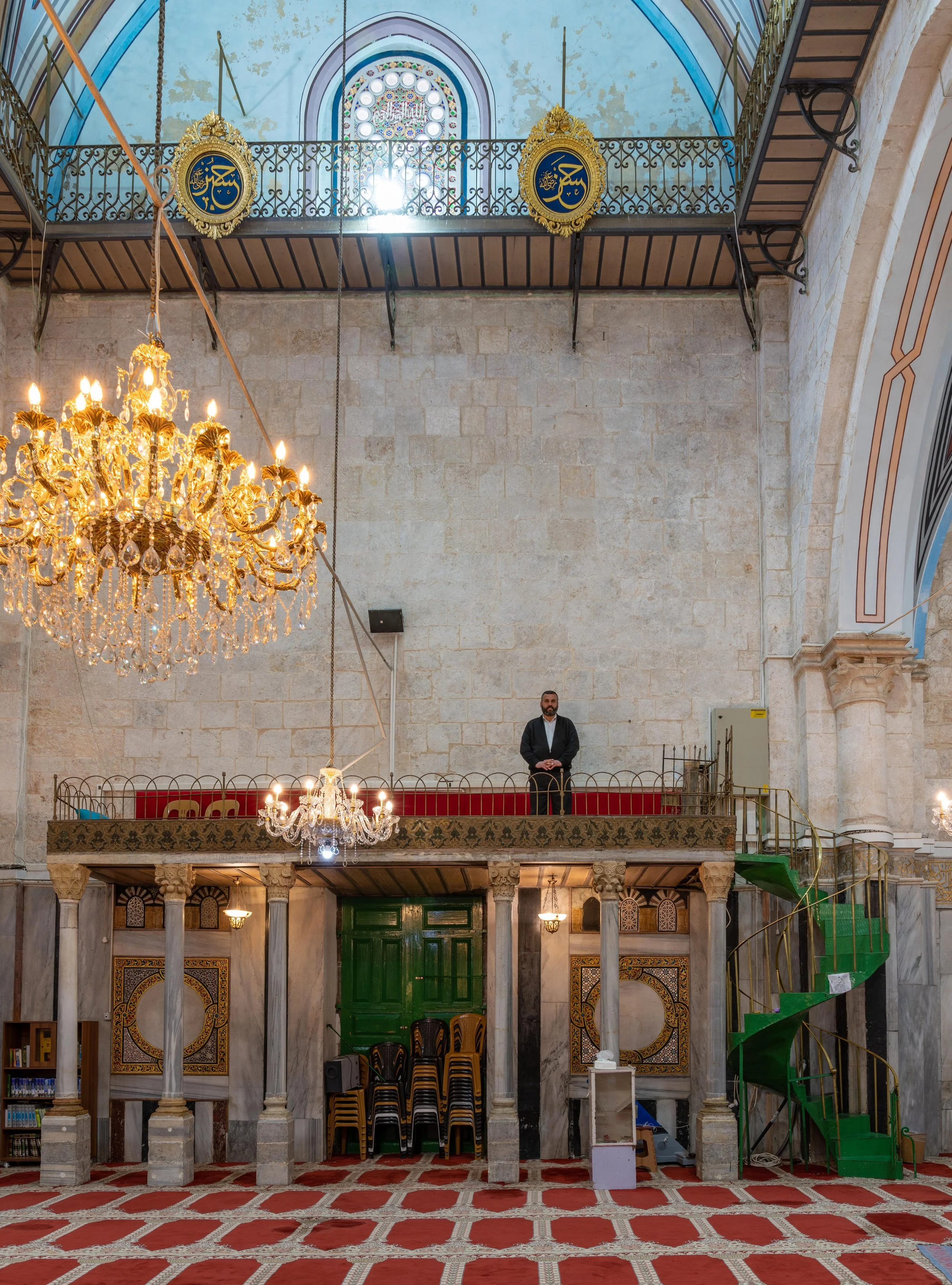
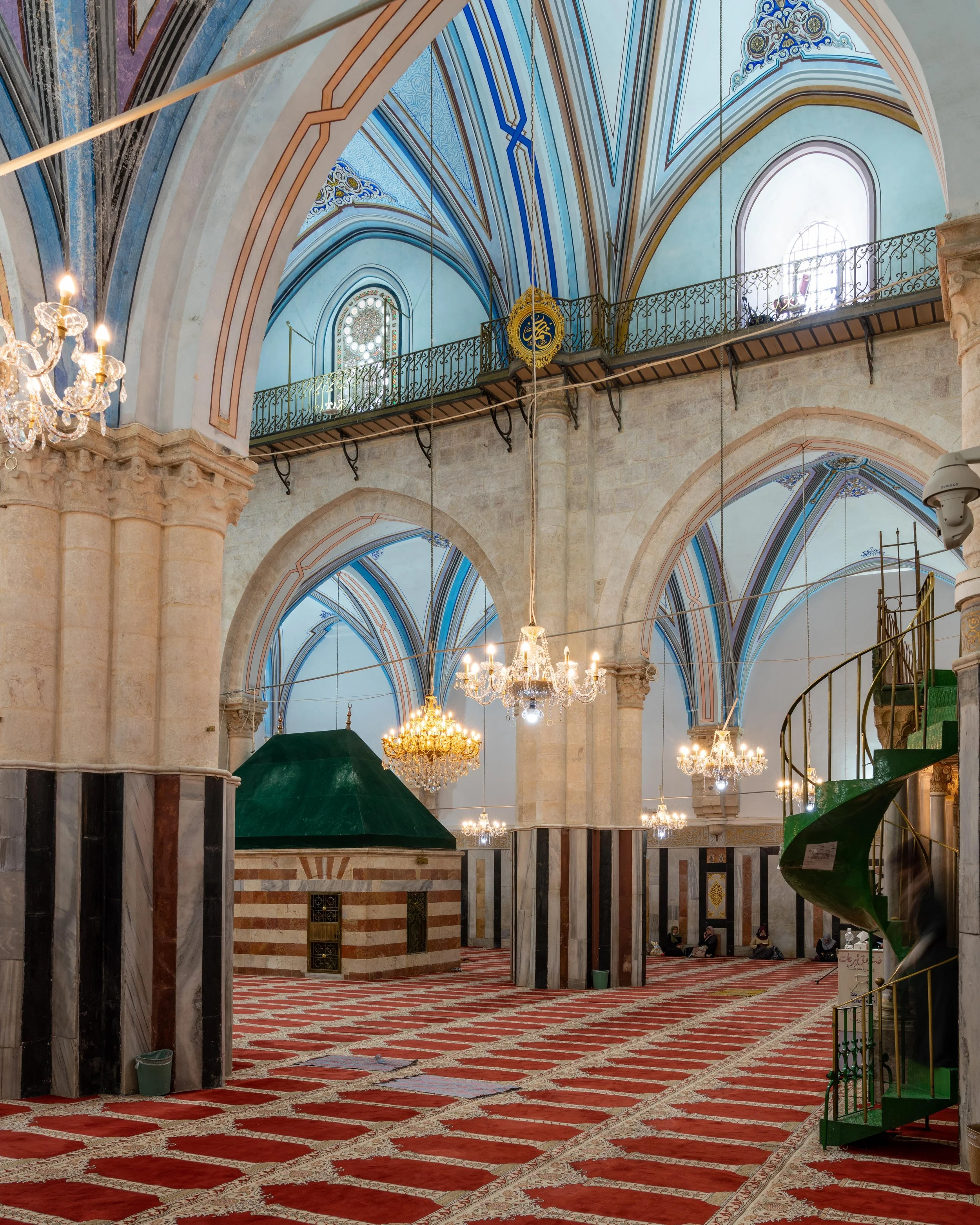
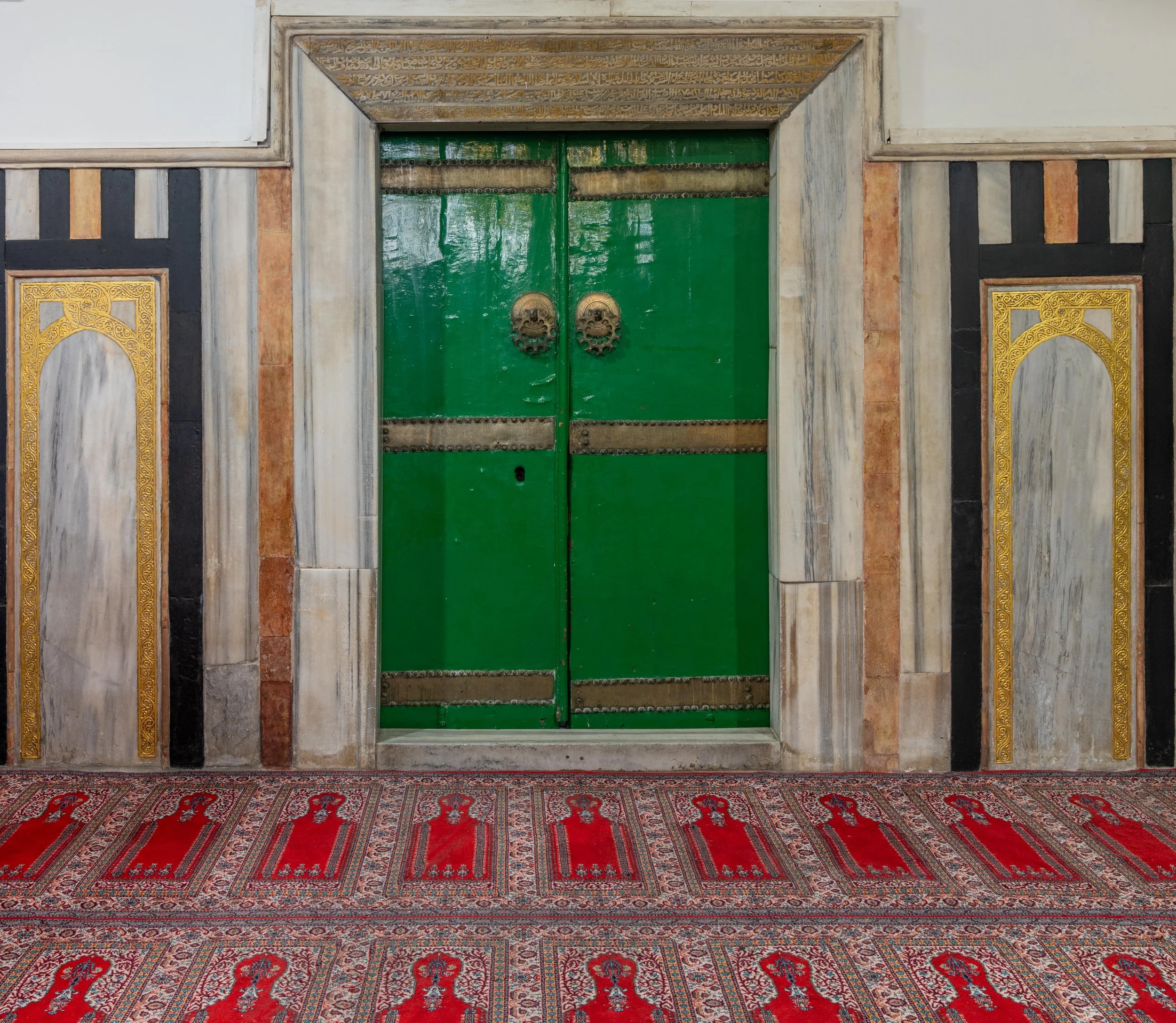
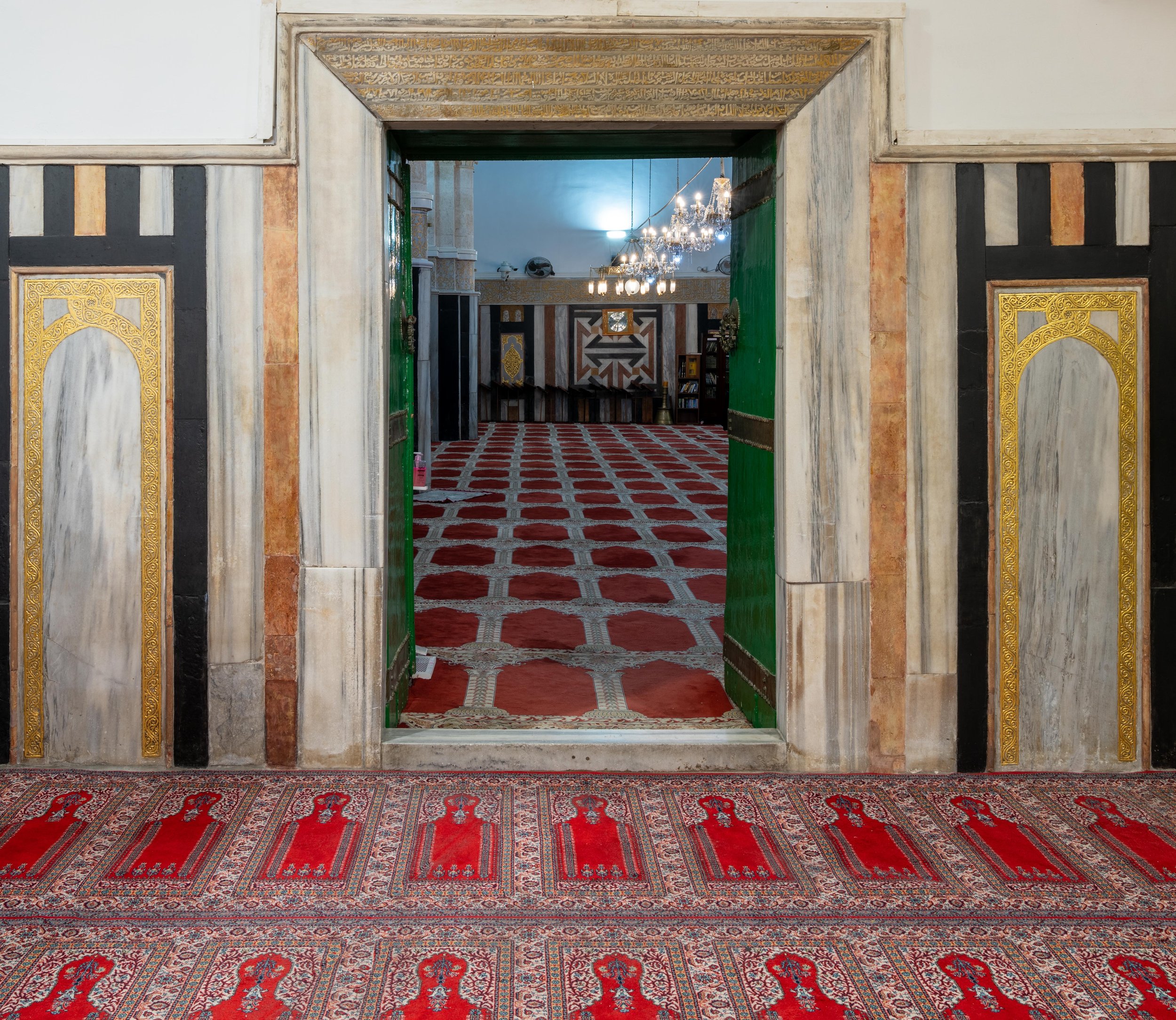
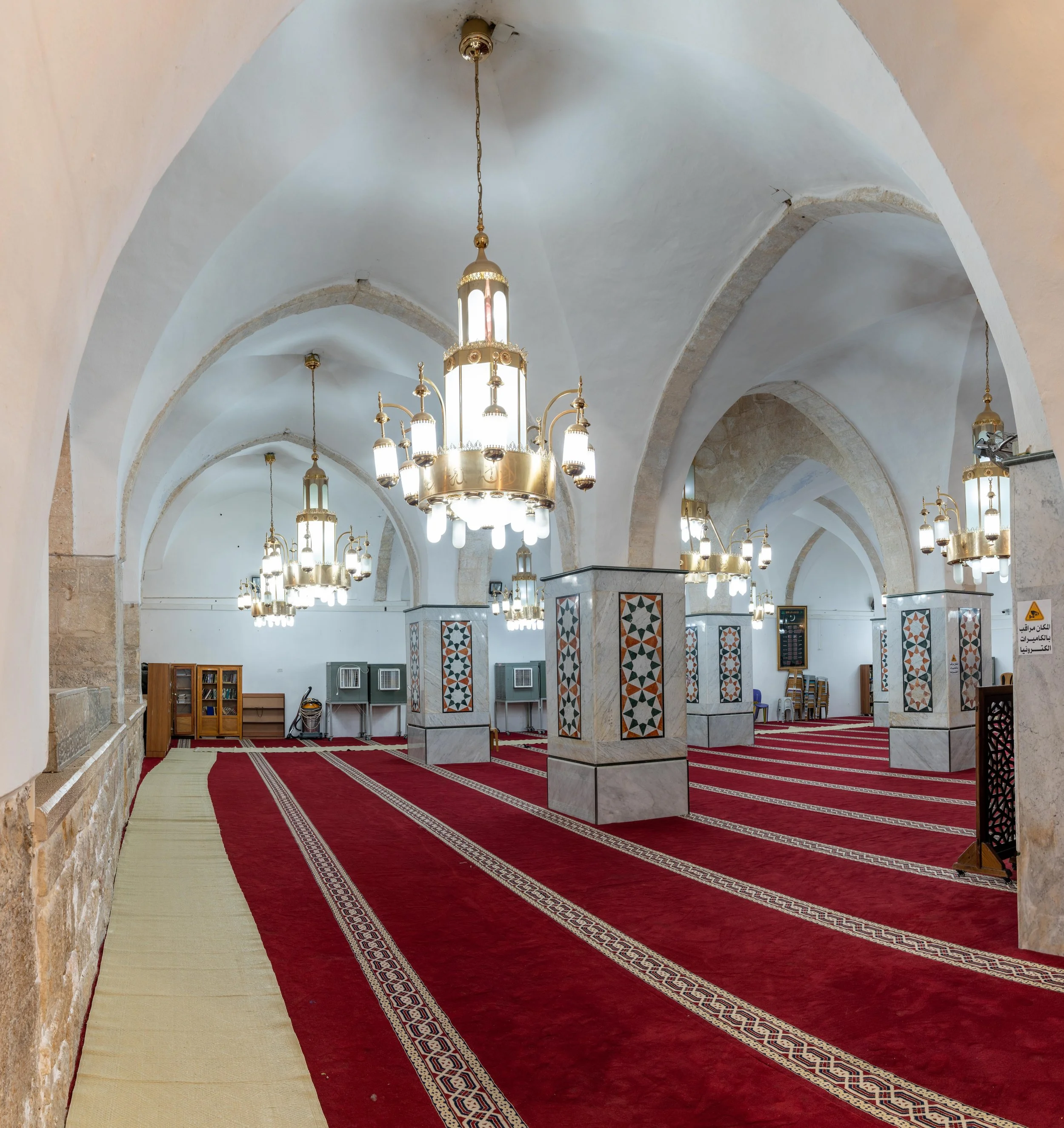
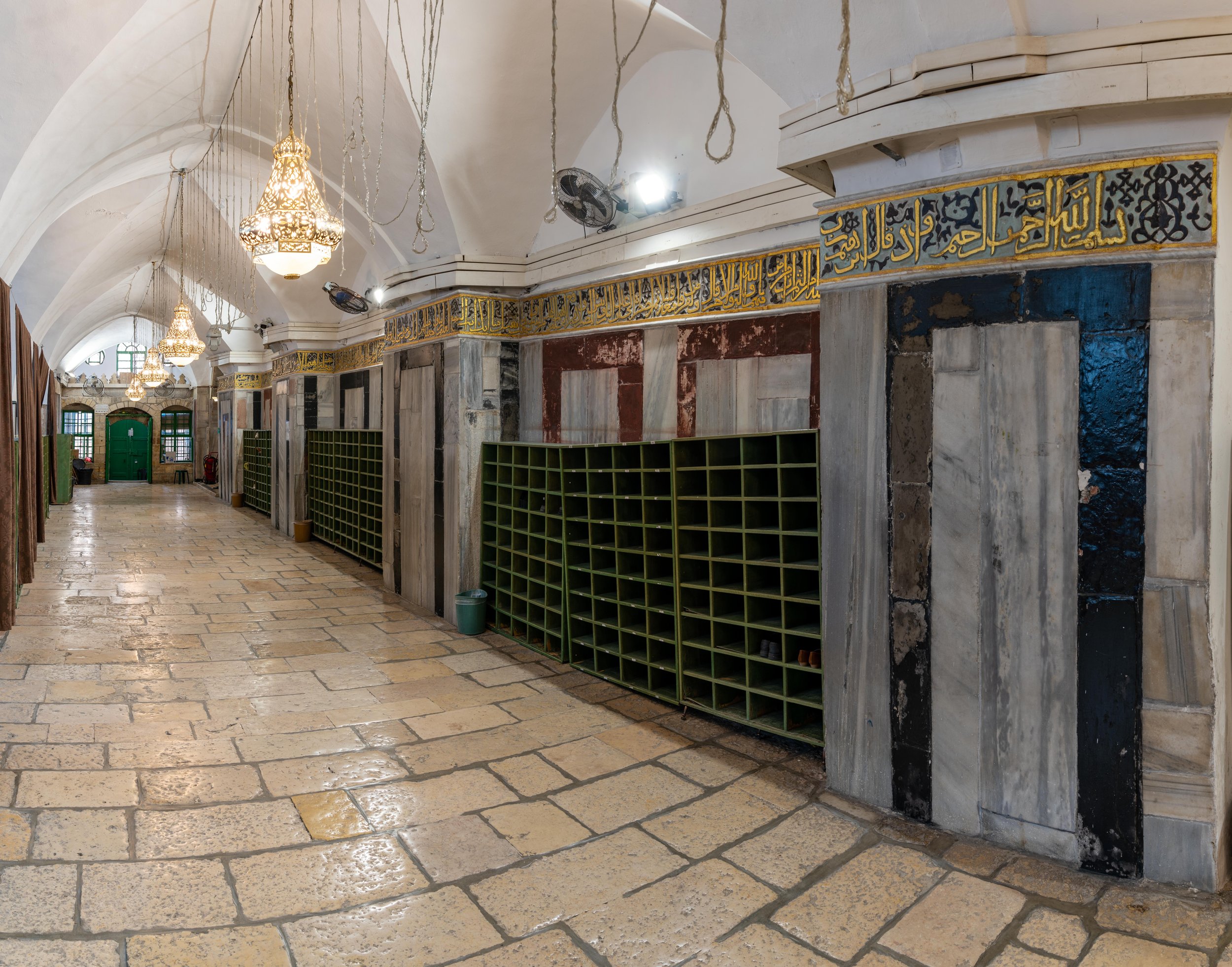
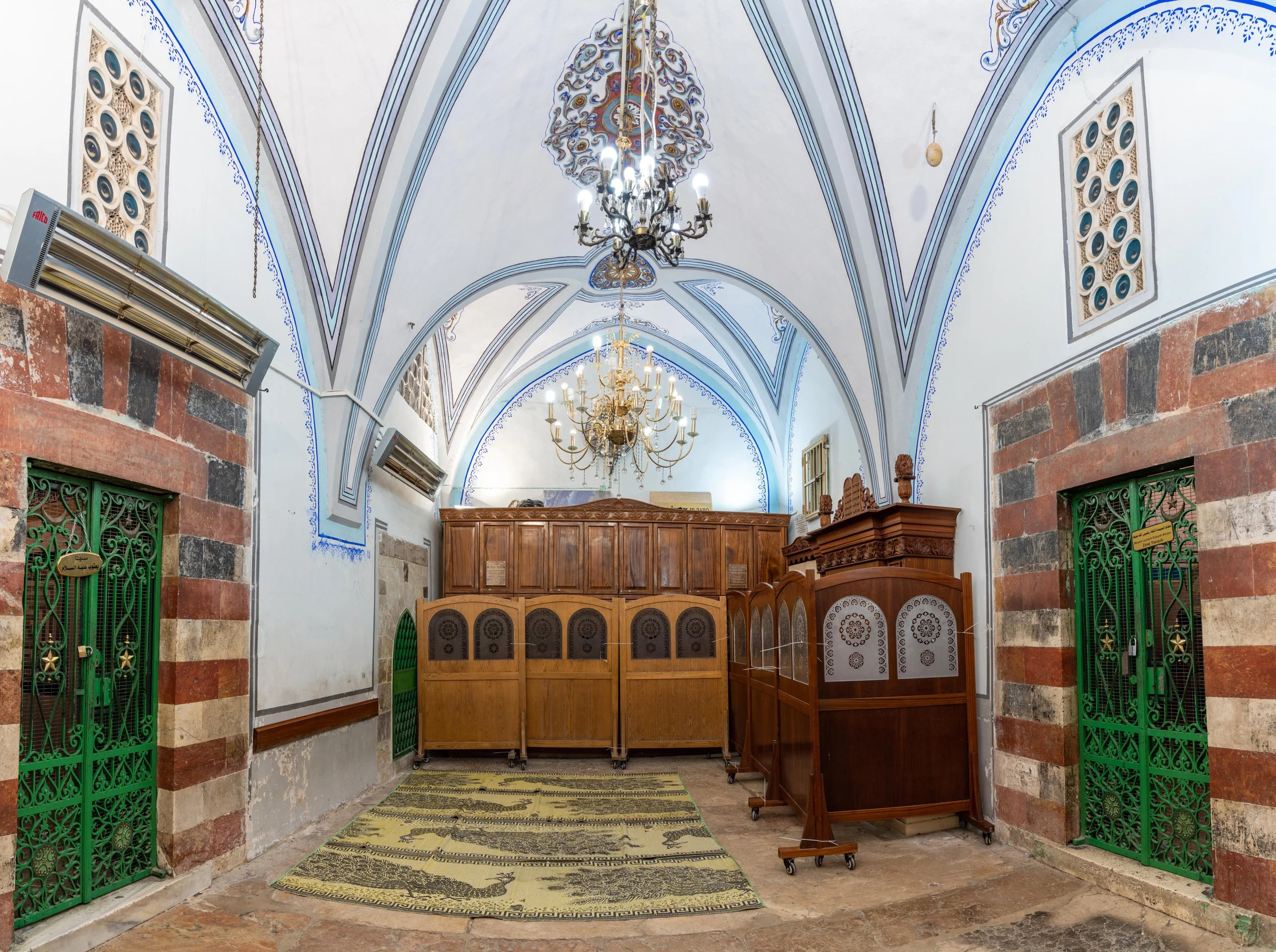
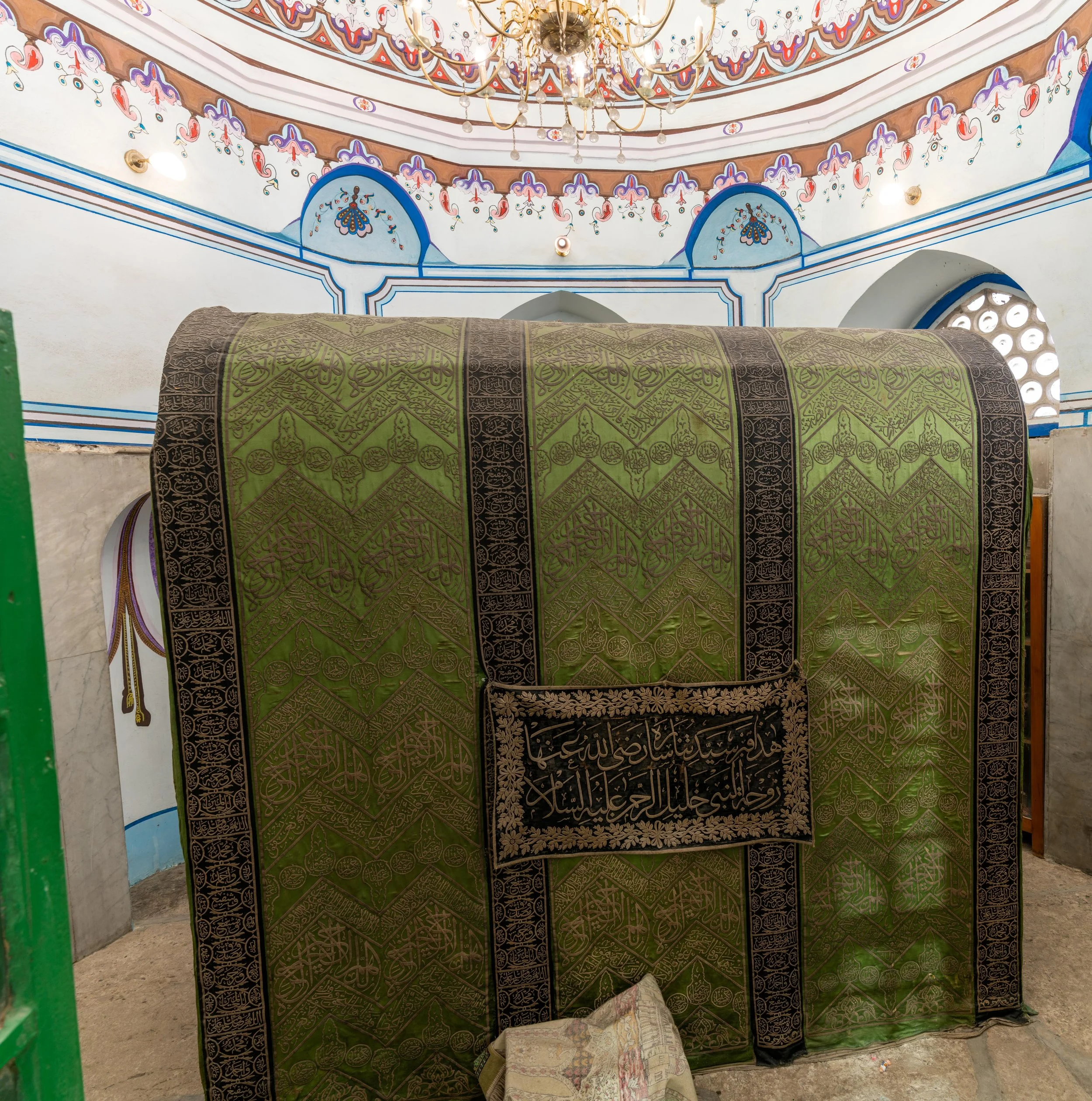
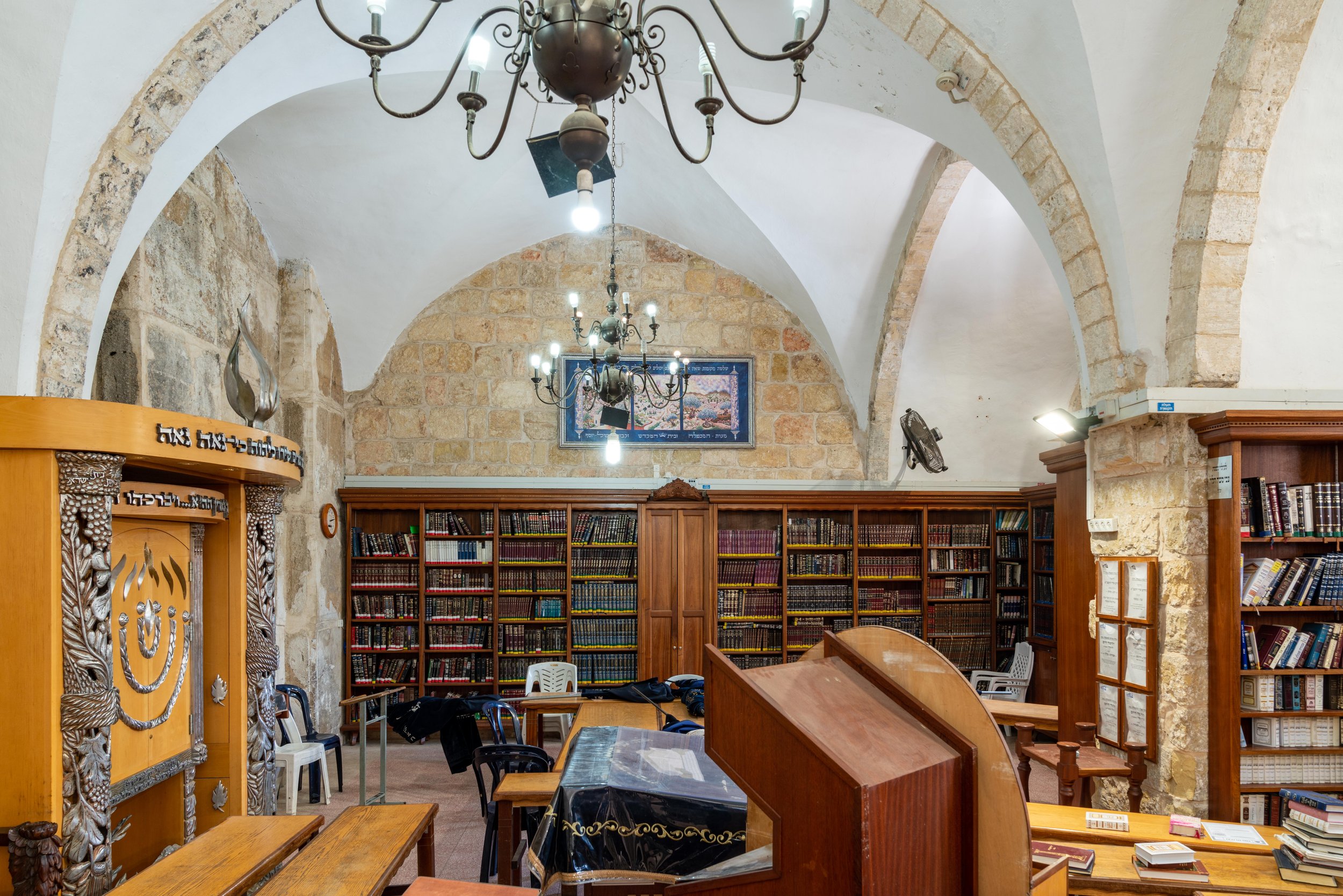
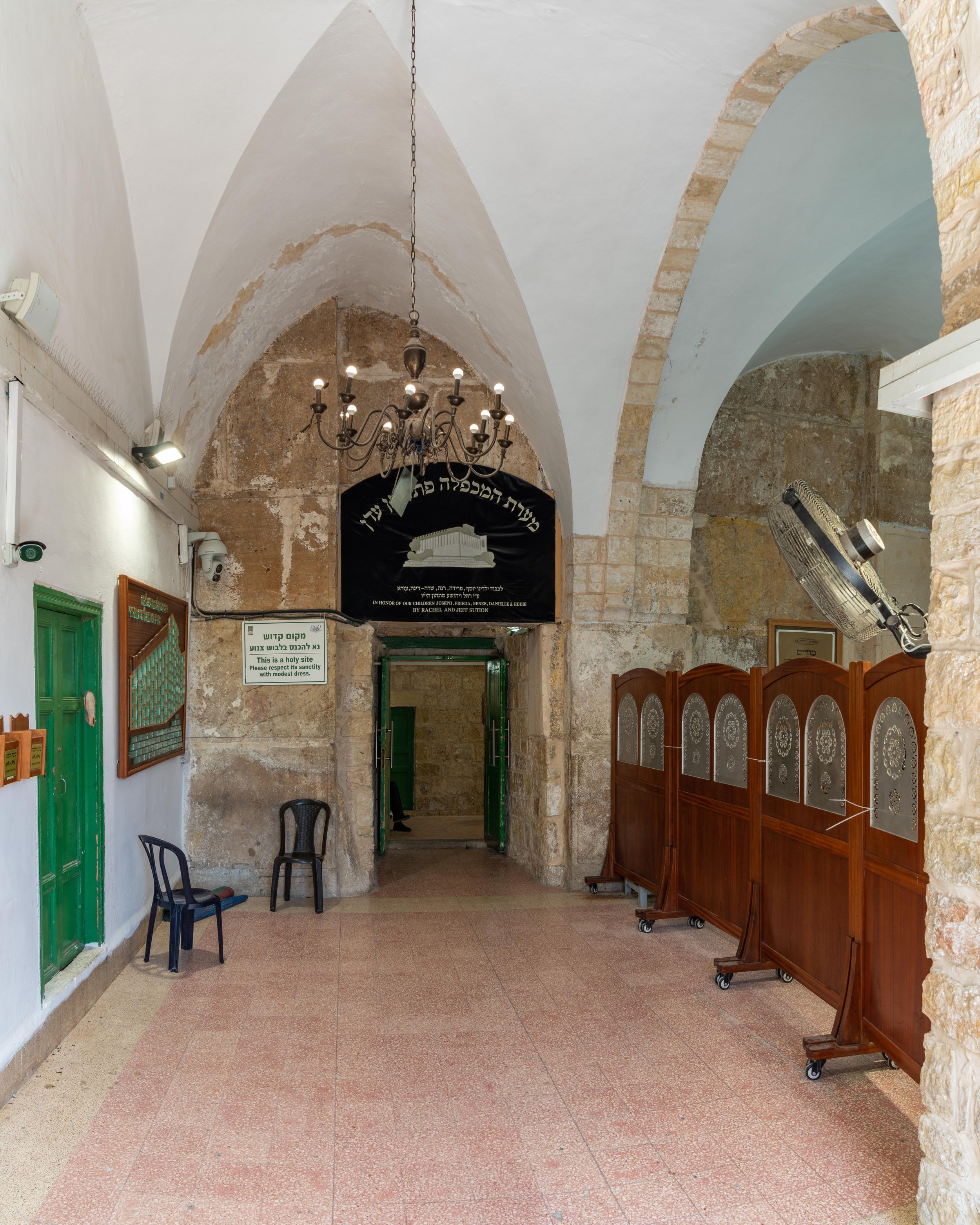
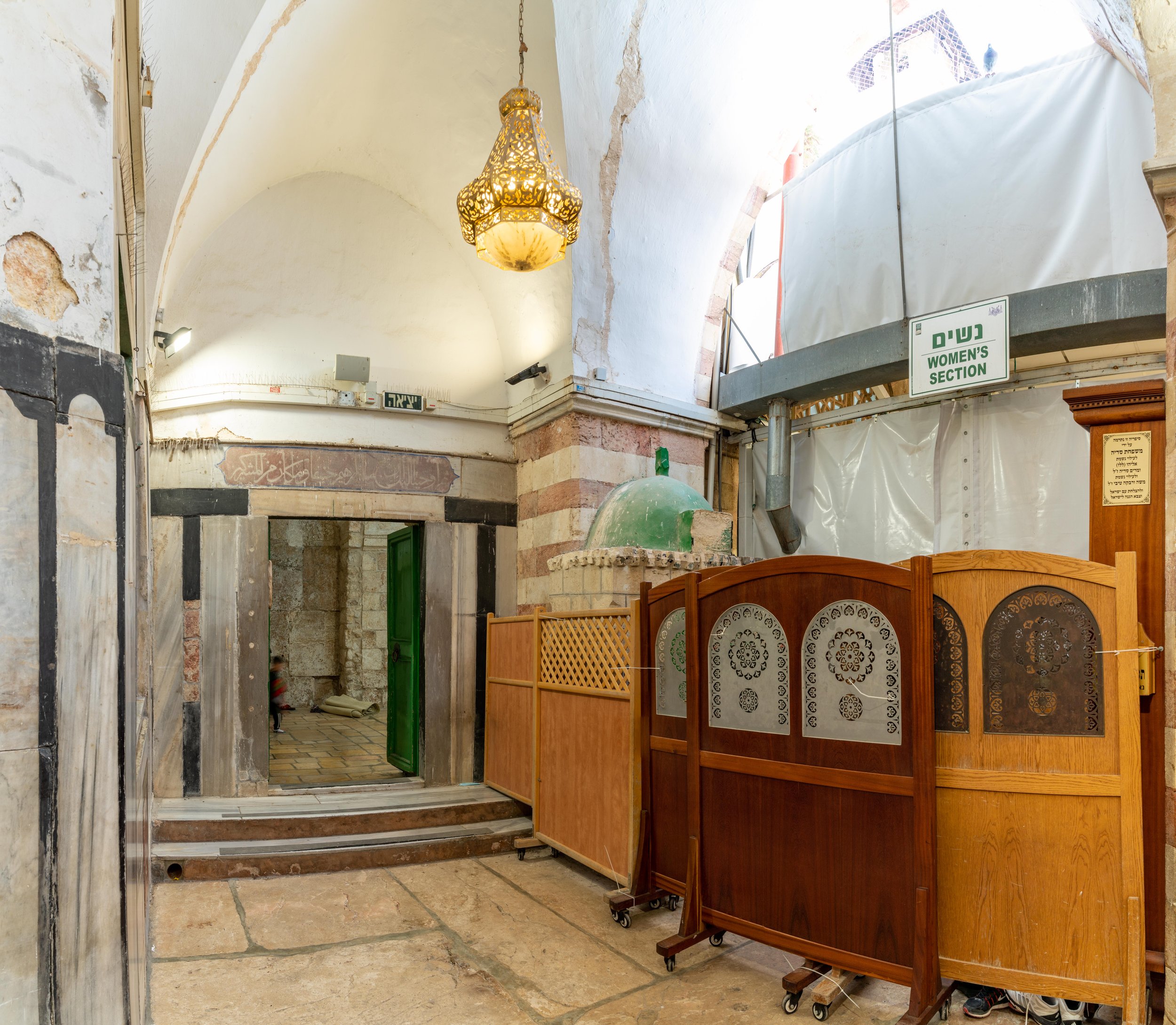
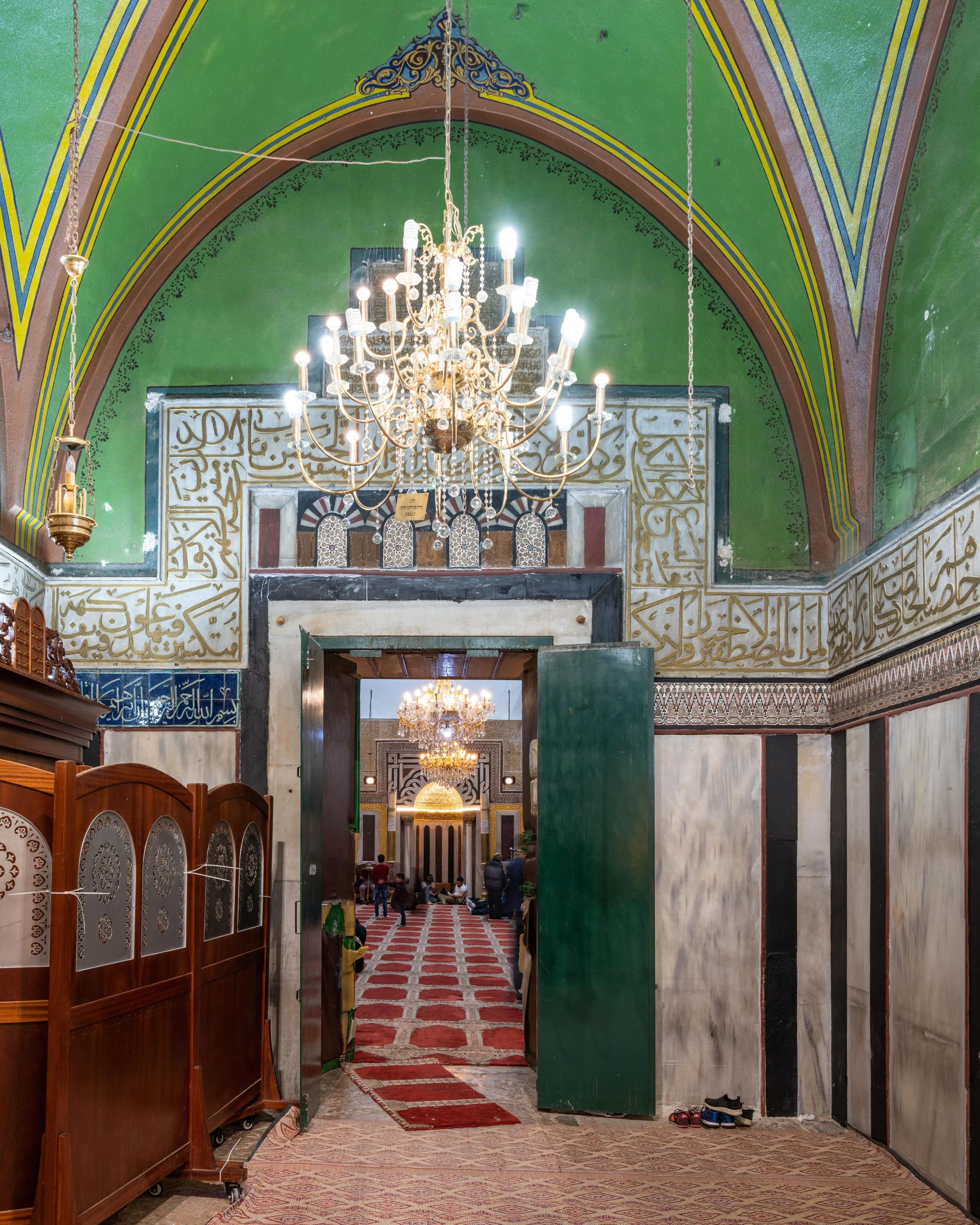
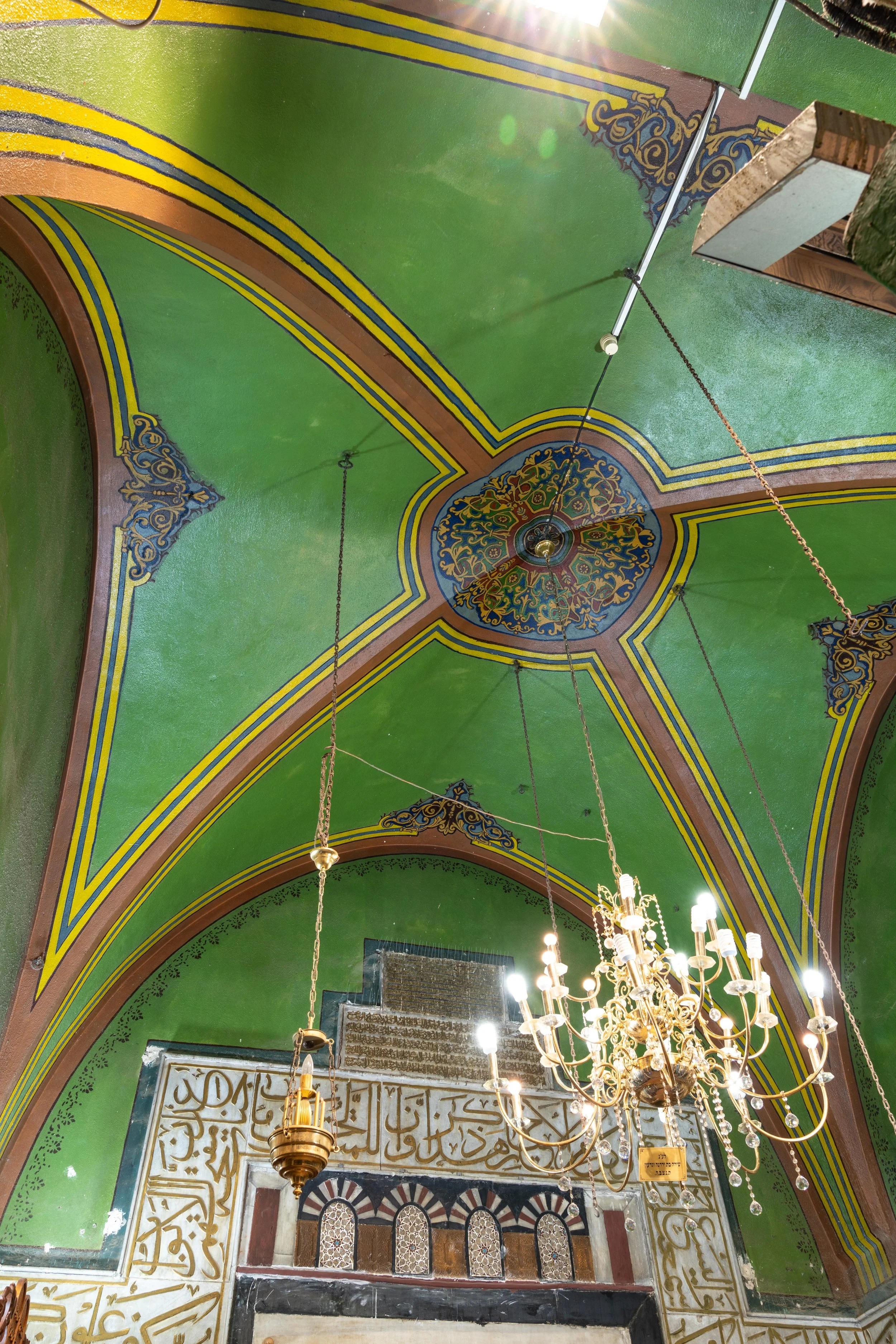
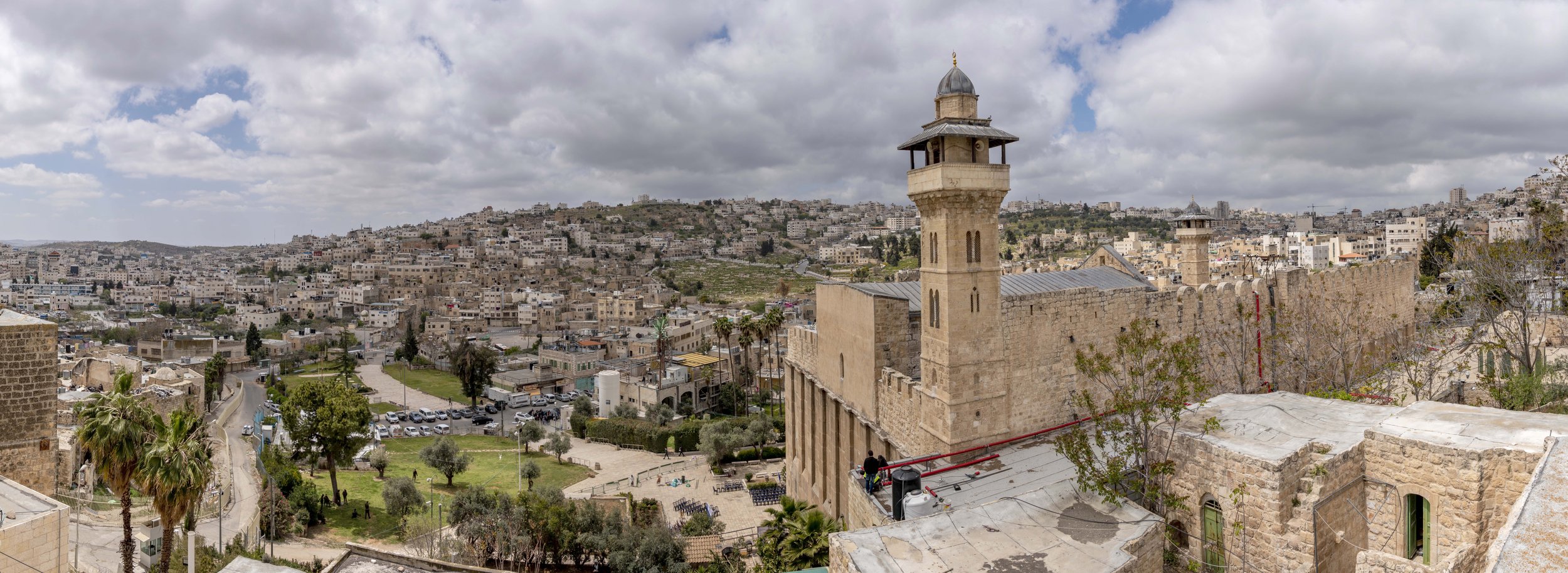
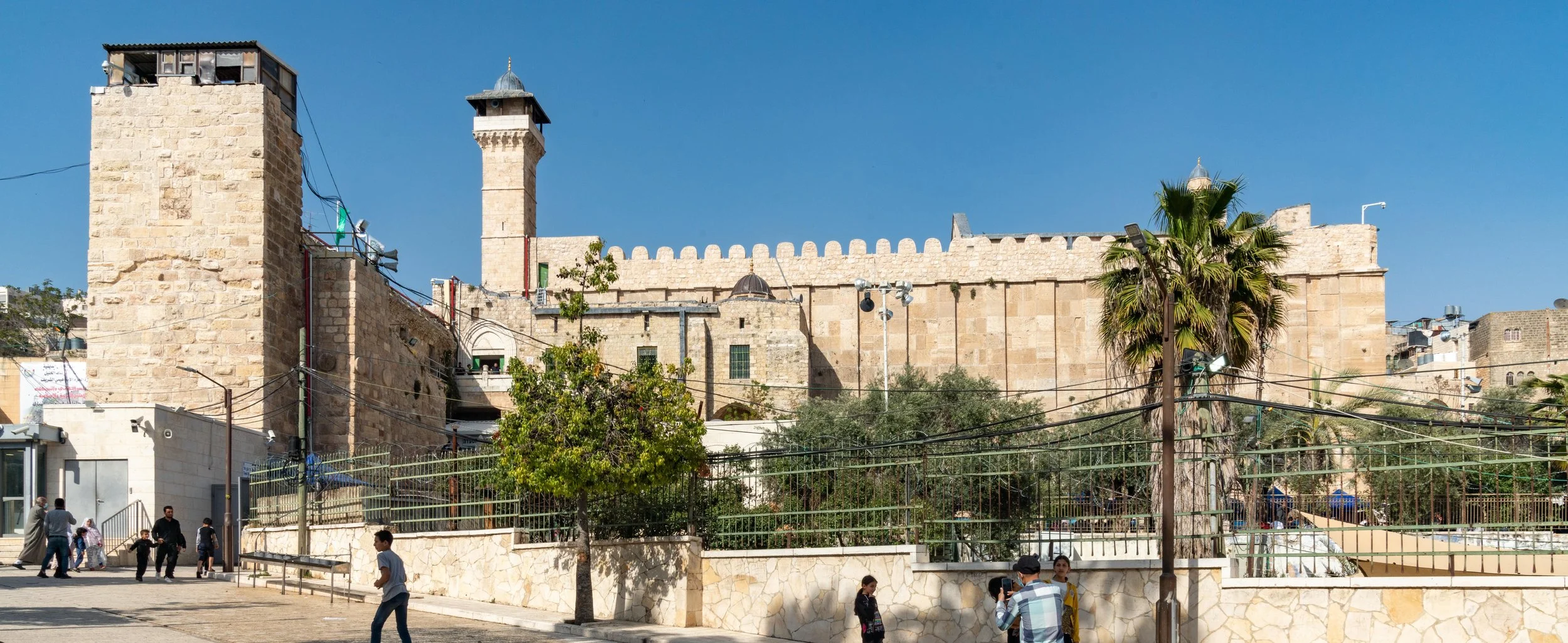
As the Ibrahimi Mosque is the central and most important monument in Hebron’s Old City, it became a focal point of my exhibition for the museum. I obtained special permission to photograph its massive stone enclosure, believed to date back more than two thousand years. Tradition holds that the cave beneath it is the burial place of the Prophet Abraham and his wife Sarah, Isaac and his wife Rebecca, and Jacob and his wife Leah. This shared connection makes the site particularly important to Muslims, Christians, and Jews.
Over the centuries, Byzantine, Crusader, Ayyubid, Mamluk, and Ottoman interventions have each left their mark. What we see today is a building that carries several histories at once.
Following the massacre of 29 Muslim worshippers by the Israeli settler Baruch Goldstein in 1994, the sanctuary was divided into separate Muslim and Jewish prayer areas. Access to the mosque is now controlled through Israeli checkpoints, making the building’s division part of the everyday experience of the place. In 2017, UNESCO inscribed Hebron’s Old City, including the mosque, on its World Heritage List.