suomenlinna
Suomenlinna — The Geography of Power and Memory
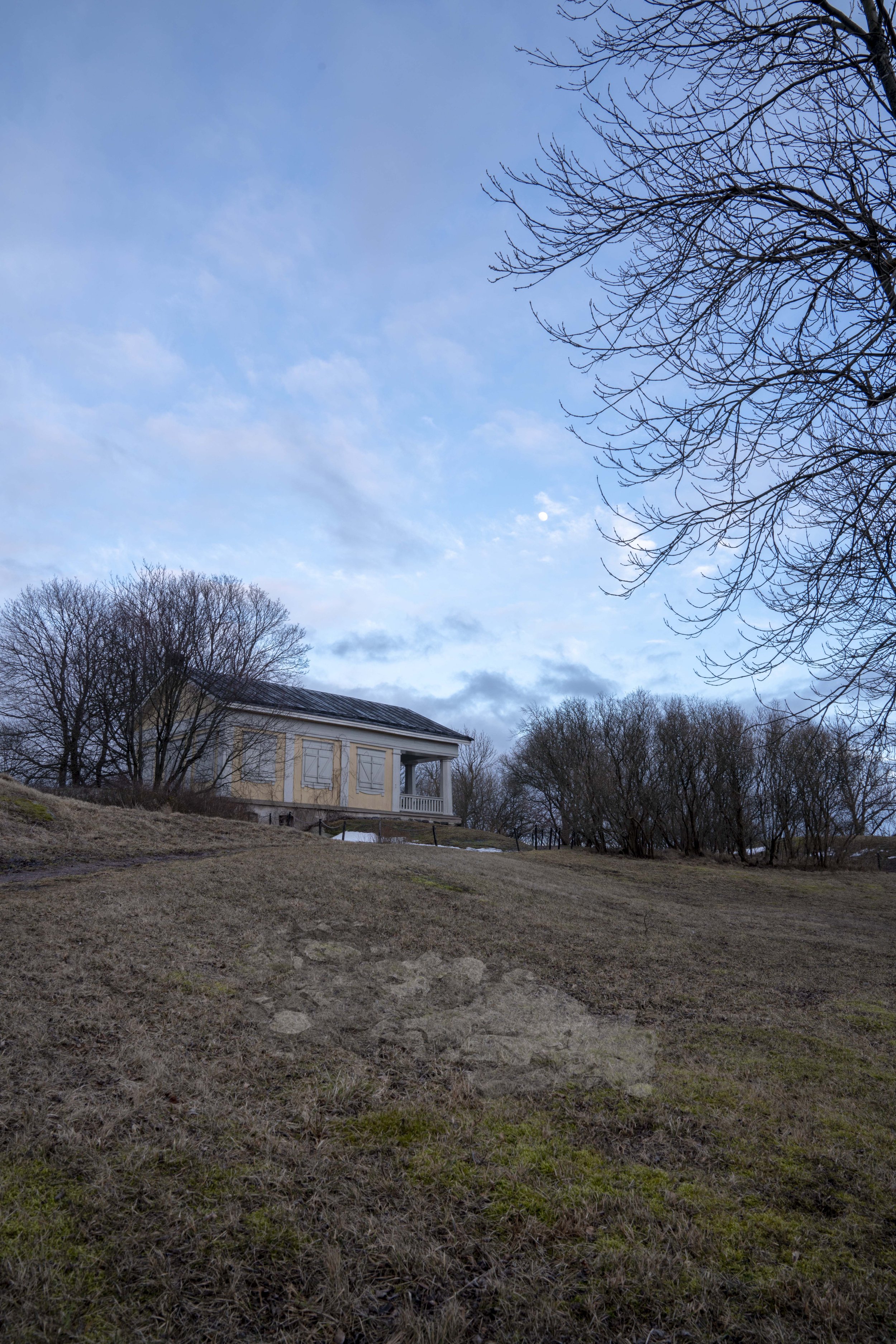
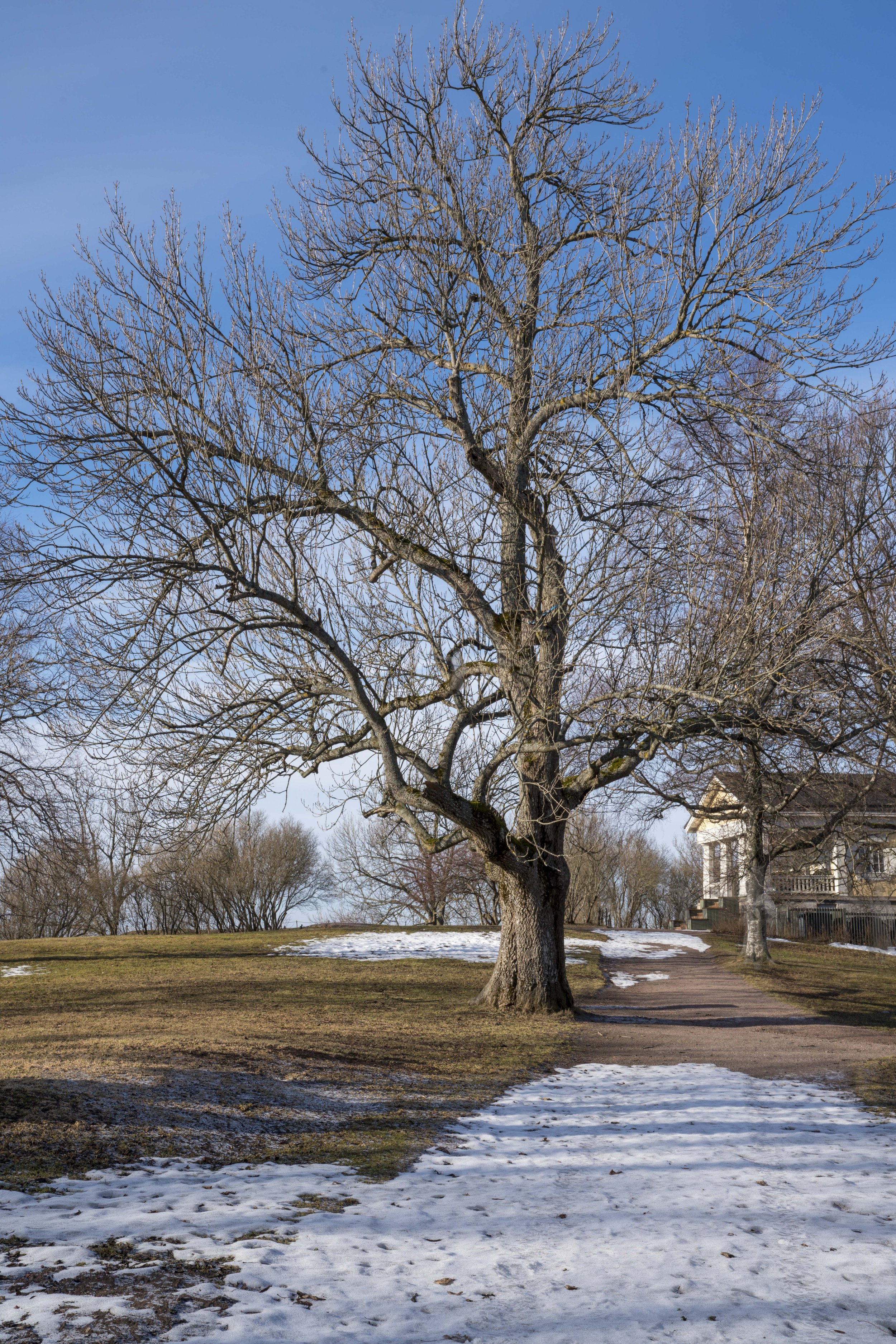
What draws me to Suomenlinna is how the island I encountered carries the traces of successive forms of power. Built by Sweden in 1748 as a maritime fortress, Suomenlinna passed to Russia in 1808 and to independent Finland in 1918. Each transition brought a new name, new uses and new meanings to the landscape.
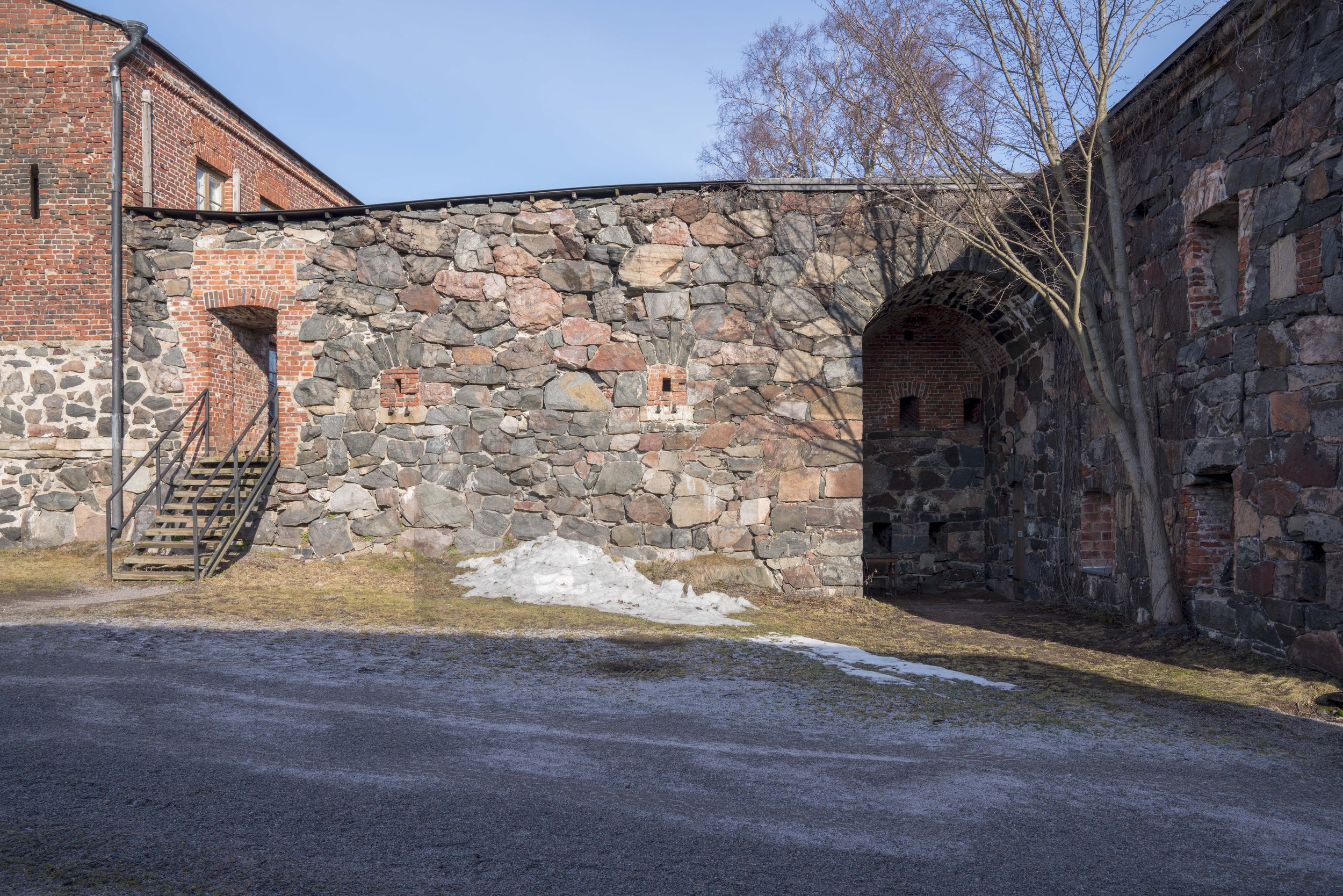
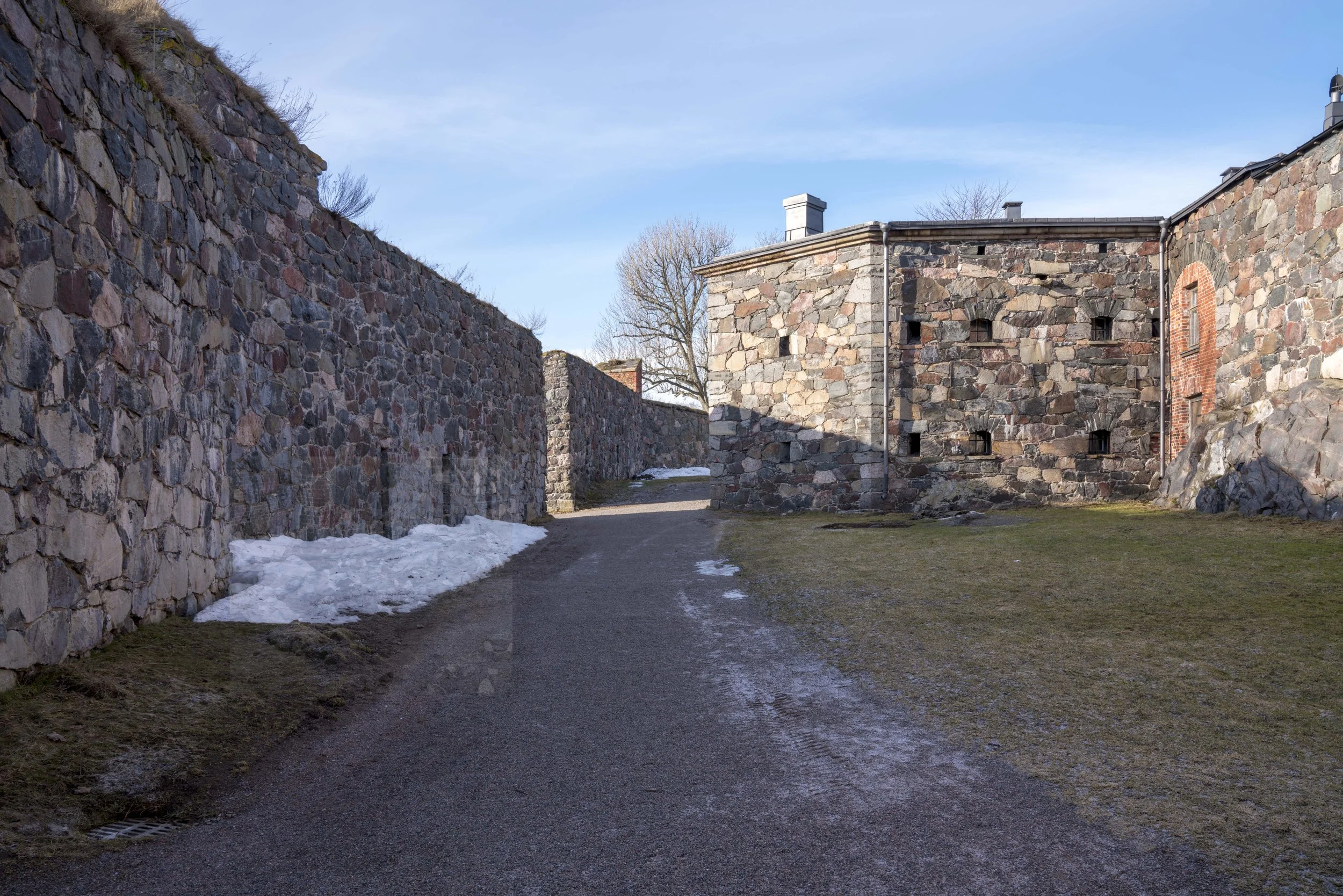
Its walls have accommodated a military base, a prison camp, a naval academy and, eventually, a place of everyday life. Today, residents, workers and visitors inhabit a World Heritage site where a working dry dock and the Naval Academy continue earlier traditions. These histories coexist, although some are more readily acknowledged than others.
In 1918, as Finland emerged as an independent state, Suomenlinna became a prison camp for thousands of Reds and suspected Reds following the Finnish Civil War. Hunger, disease and executions made the fortress a place of profound suffering. The birth of a nation was accompanied by the imprisonment and death of people within its walls.
Coming from Jerusalem, I find it difficult to overlook the proximity of these events to another political transformation. British forces captured Jerusalem in December 1917, ending centuries of Ottoman rule, shortly after the Balfour Declaration. The subsequent Mandate advanced the project of a Jewish national home while marginalizing the national rights and political aspirations of the indigenous Palestinian population, with consequences that continue to shape the present.
These histories differ in their circumstances and consequences. What brings them into relation for me is how changes in sovereignty are experienced through the lives of ordinary people: through confinement, displacement, altered rights and contested belonging.
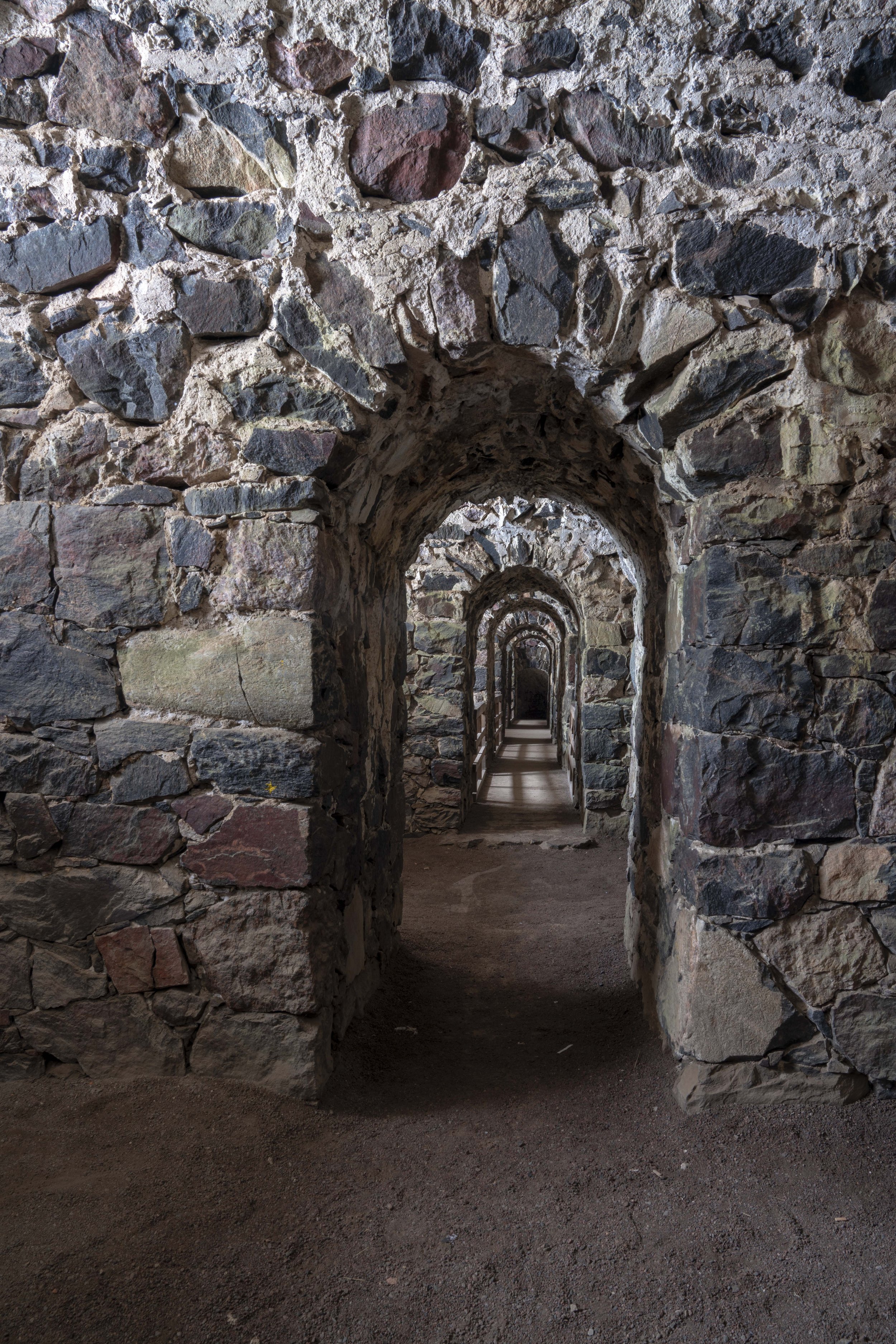
Suomenlinna offers a physical framework for examining this relationship. Its architecture was built to control territory and movement, to determine who could enter and who must remain outside. When its functions changed, the walls remained available to new forms of authority. A place of defence became a place of imprisonment, and later a site of heritage. Each use altered how the landscape was understood and what was remembered within it.
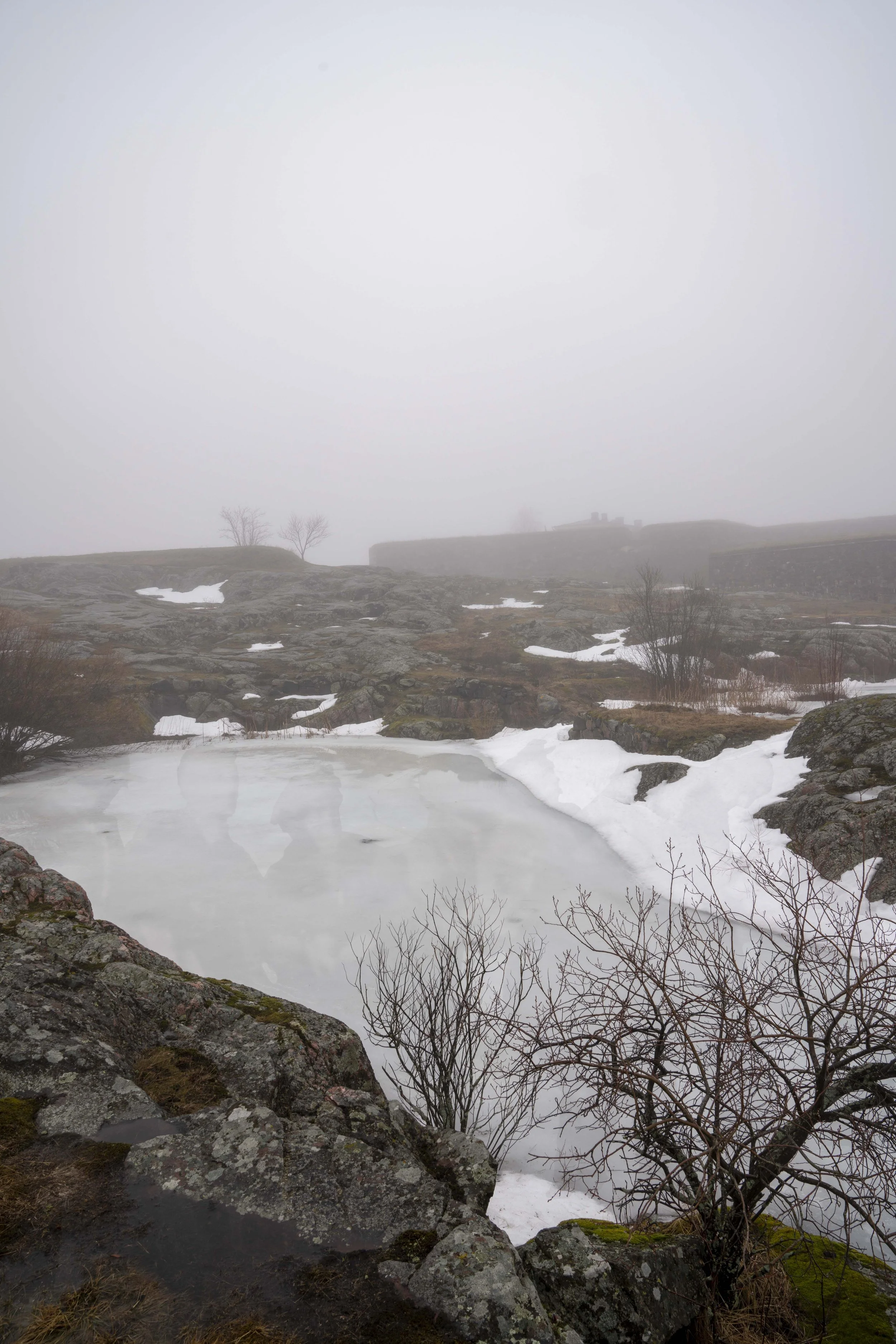
I am interested in these accumulated layers: the traces of power, violence, resistance and everyday life that occupy the same ground. The survival of architecture does not guarantee the survival of the memories attached to it. What is preserved, what is celebrated and what recedes from view are themselves political questions.
Through this project, I approach Suomenlinna as a living archive. I ask how a landscape holds contradictory memories, and how art might create space to encounter and question them. Looking closely at its history also directs my attention to the present, to the continuing desire to control territory, define belonging and determine the fate of others. Recognizing these patterns offers a starting point for reconsidering them.