The Holy Sepulchre
From my childhood, whenever I wandered in and around the Church of the Holy Sepulcher, I couldn’t help but feel a sense of disappointment. The constant swirl of people, tourists, pilgrims, and the curious alike, made the space feel chaotic, and in many ways, aesthetically unappealing. I found it difficult to appreciate the profound significance of the site amidst the hustle and bustle. As I grew older, I began to explore stunning coffee-table books filled with breathtaking photography and magnificent depictions of historical and religious monuments from around the world, including some from Jerusalem. Yet, oddly enough, I never came across a book that showcased the Holy Sepulcher in the same way. It made me wonder: why had no photographer or publisher made a dedicated effort to present the Church of the Holy Sepulcher in all its architectural and historical grandeur? Surely such a magnificent building, with its layers of history, deserved such a treatment.
Despite the fact that considerable historical and scientific research had been conducted and published about the church, the building itself had never been visually celebrated in a way that captured both its beauty and its significance. To my further bewilderment, during a conversation with Dr. Nazmi Al Jubeh, a preeminent historian of Jerusalem, I learned that there is a notable absence of serious, academically grounded books in Arabic on the Holy Sepulcher, a fact he also touches upon in the introduction of this book. His insights further fueled my curiosity about why such a prominent and sacred site had not received the attention it truly deserved.
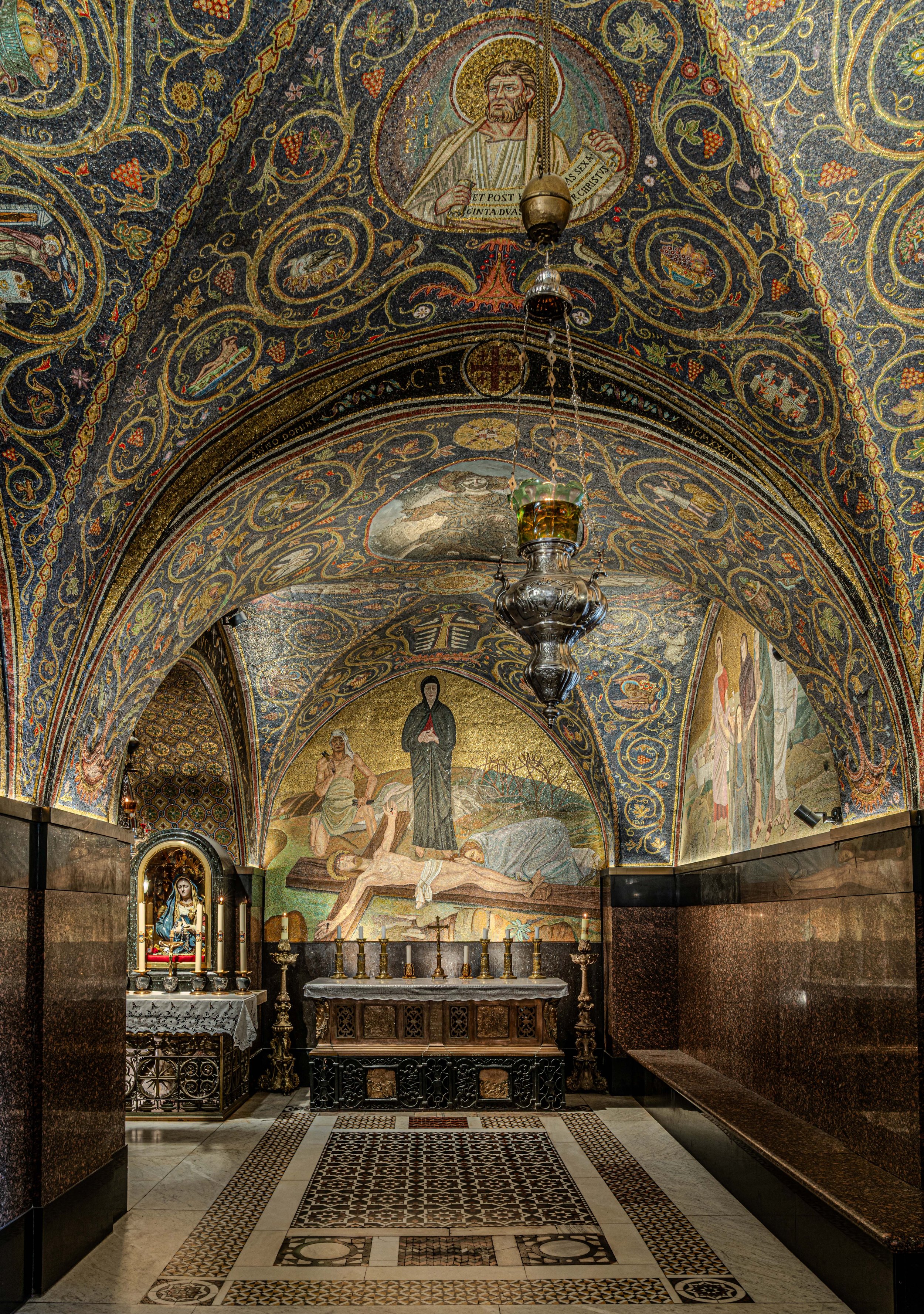
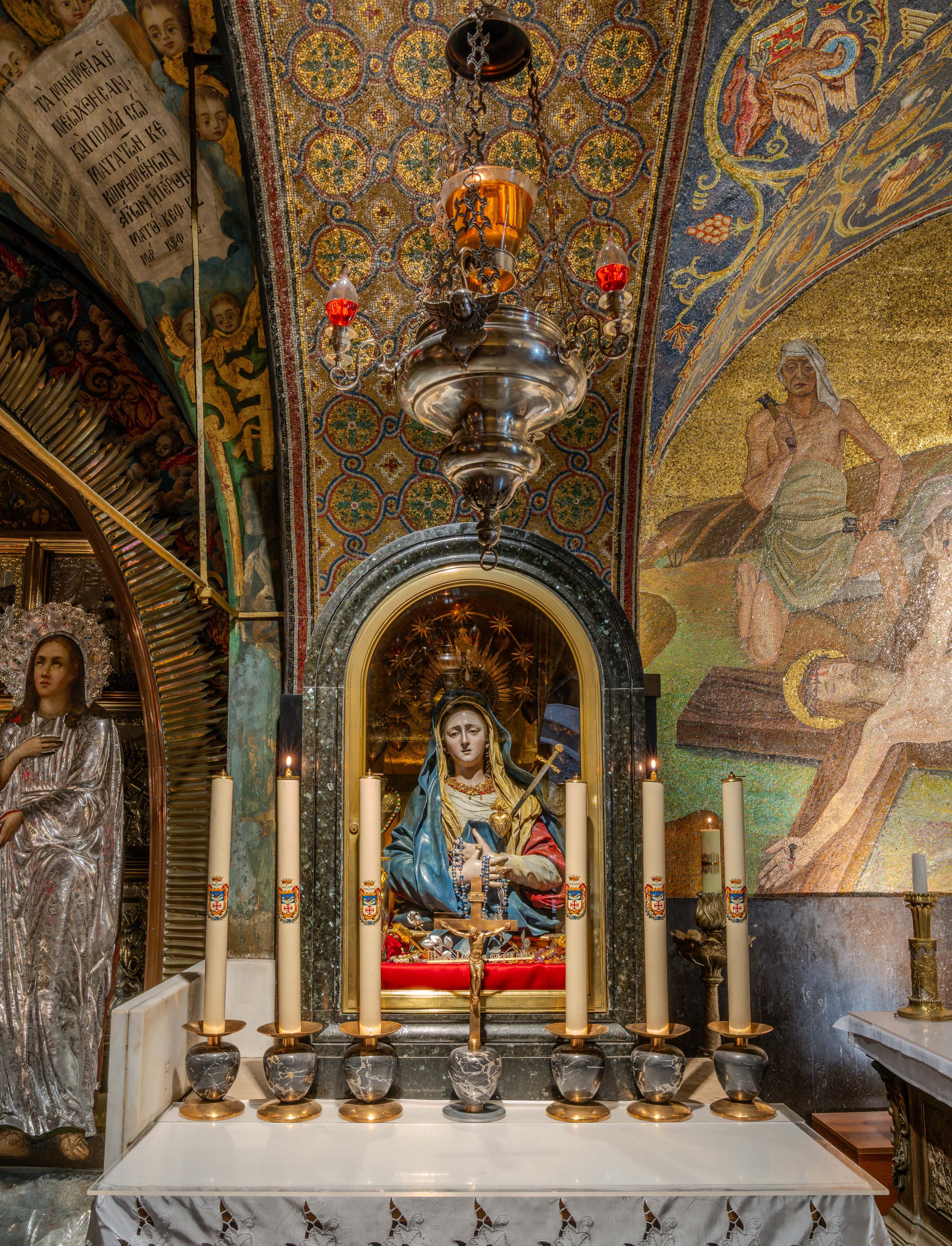
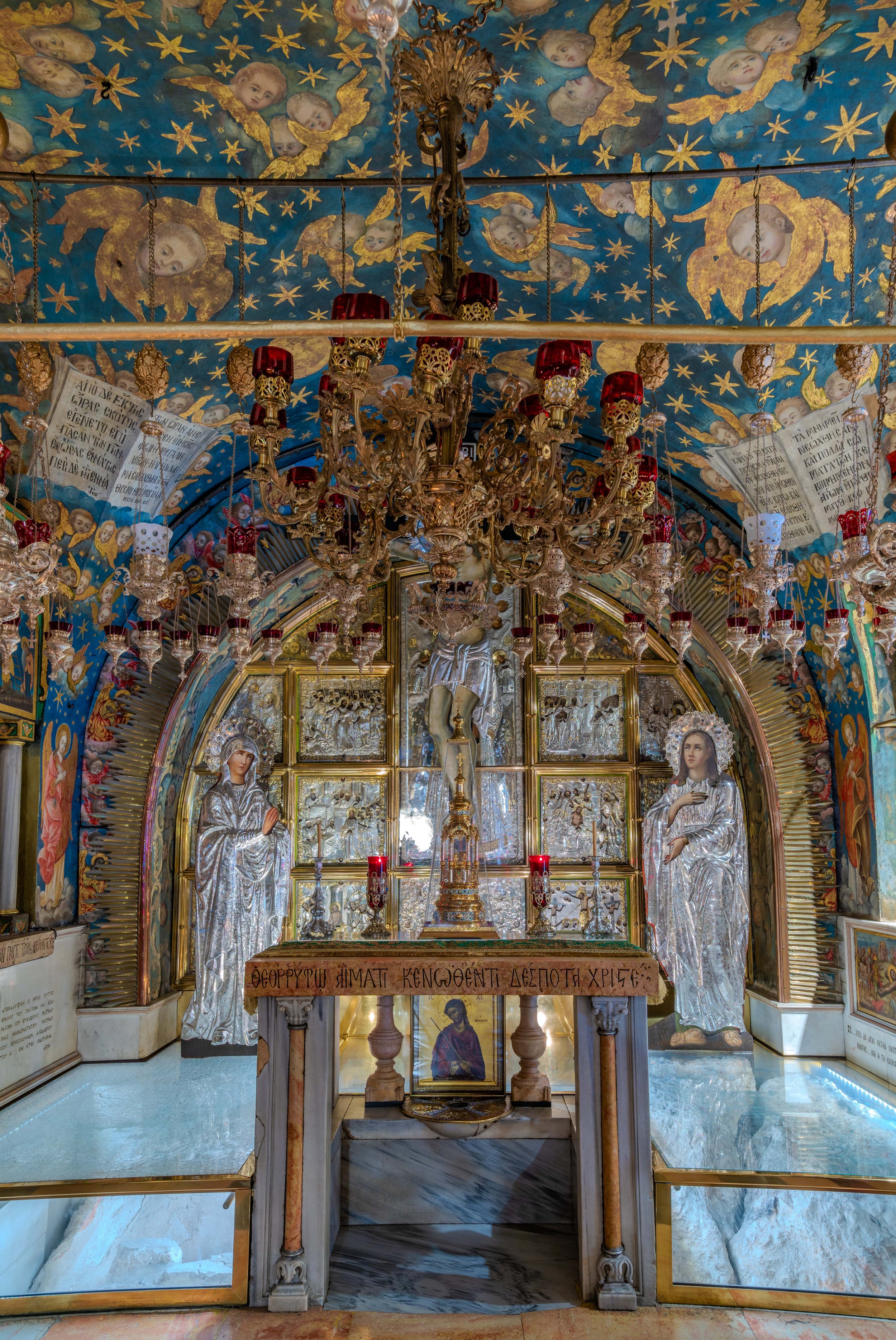
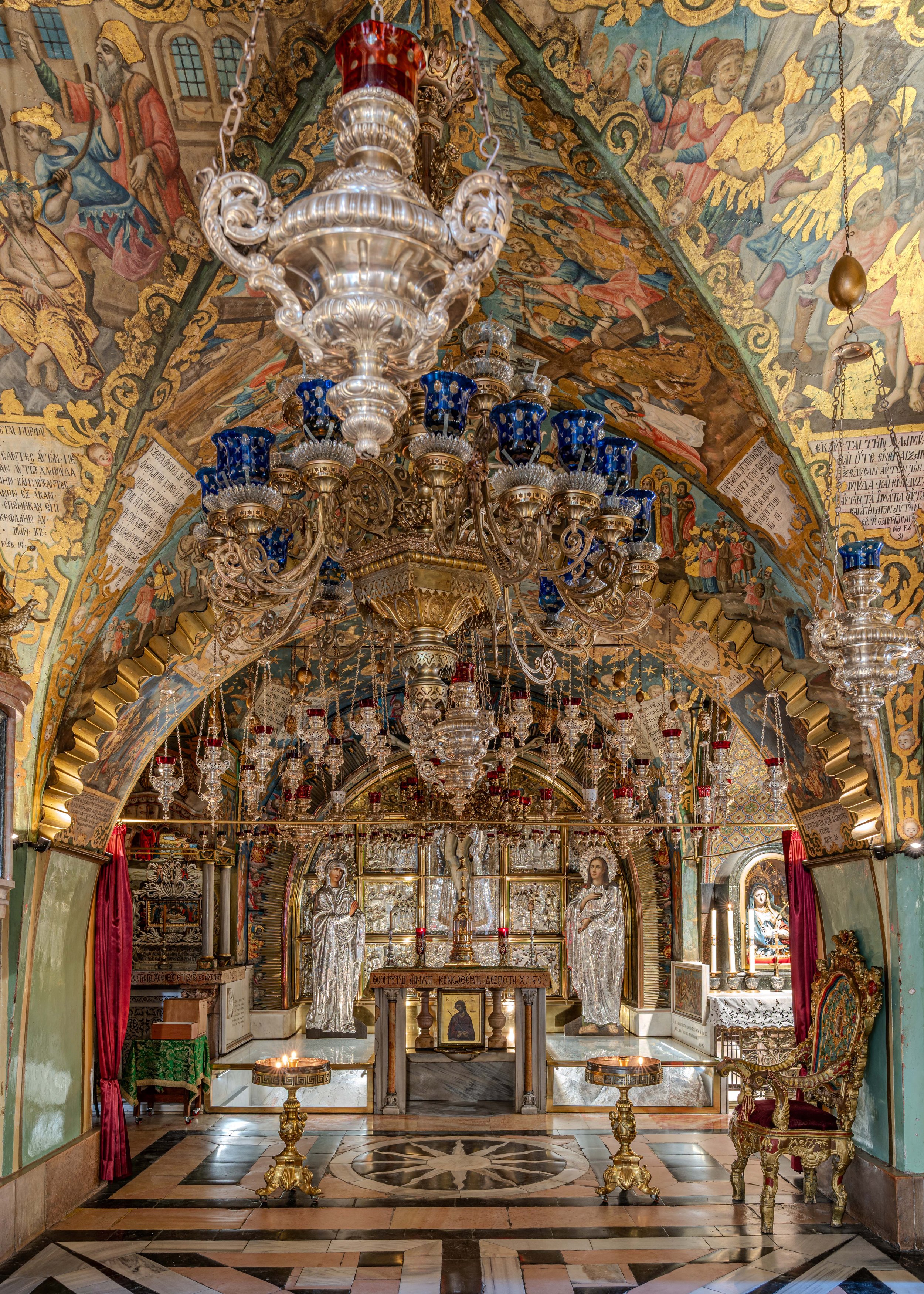
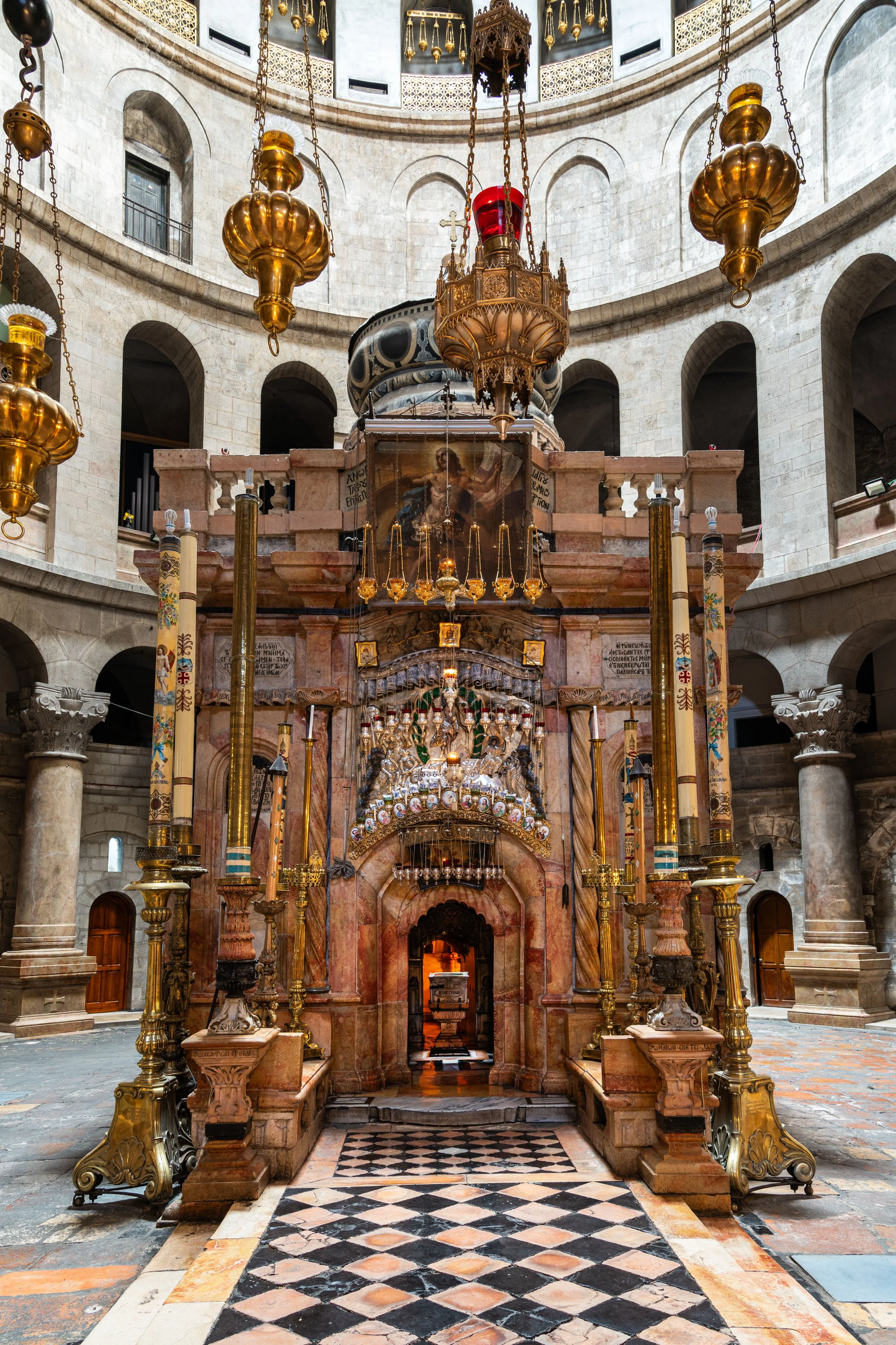
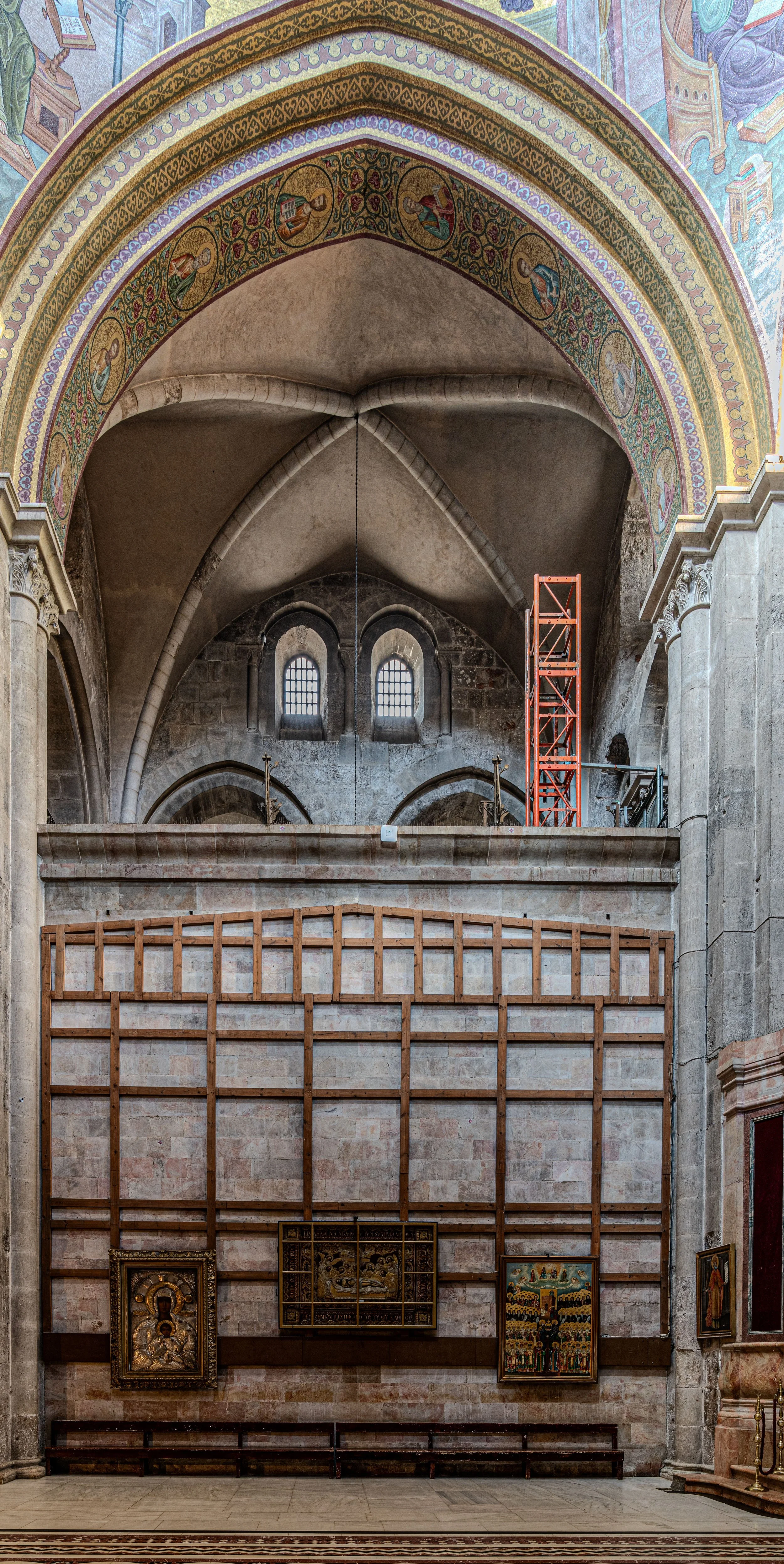
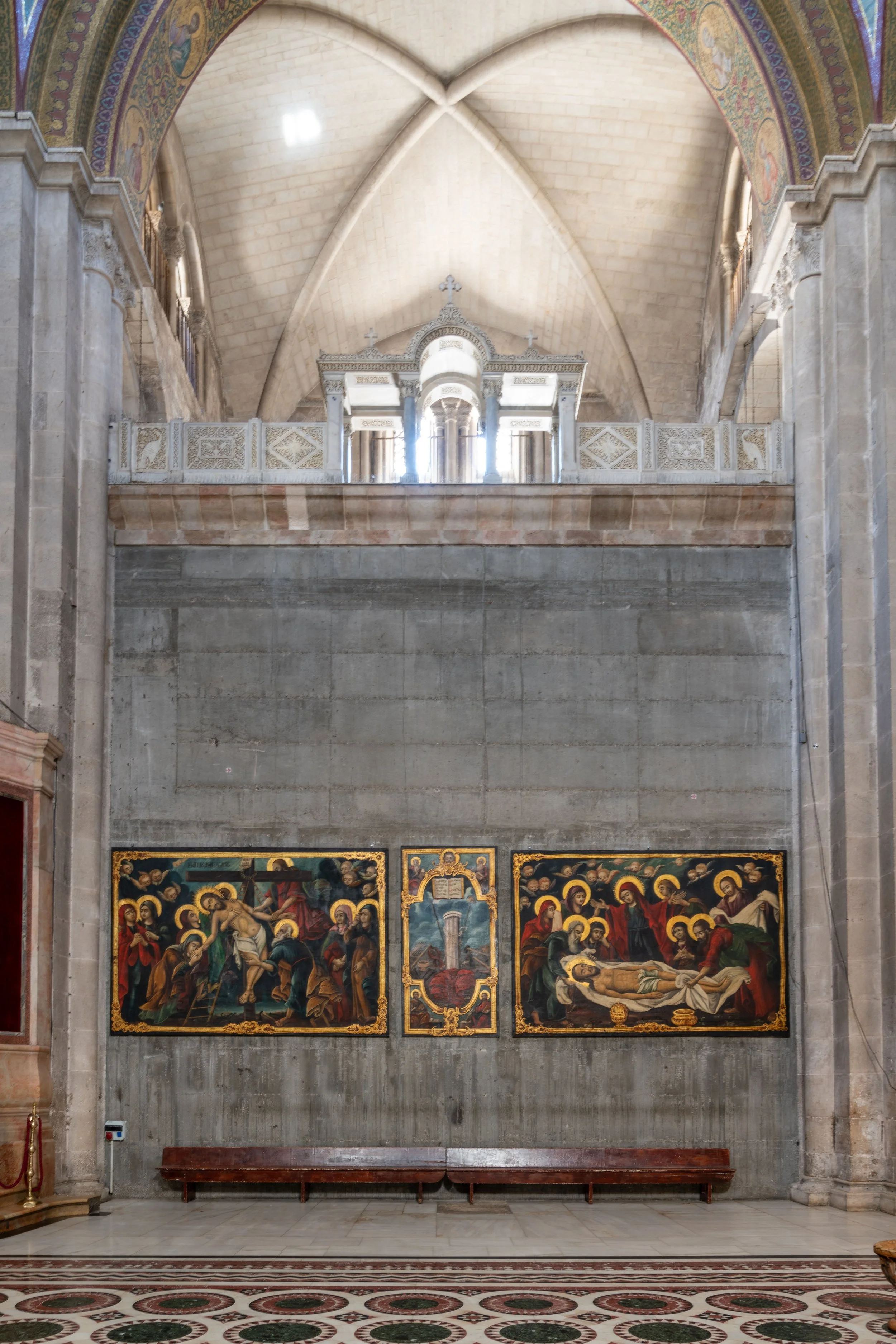
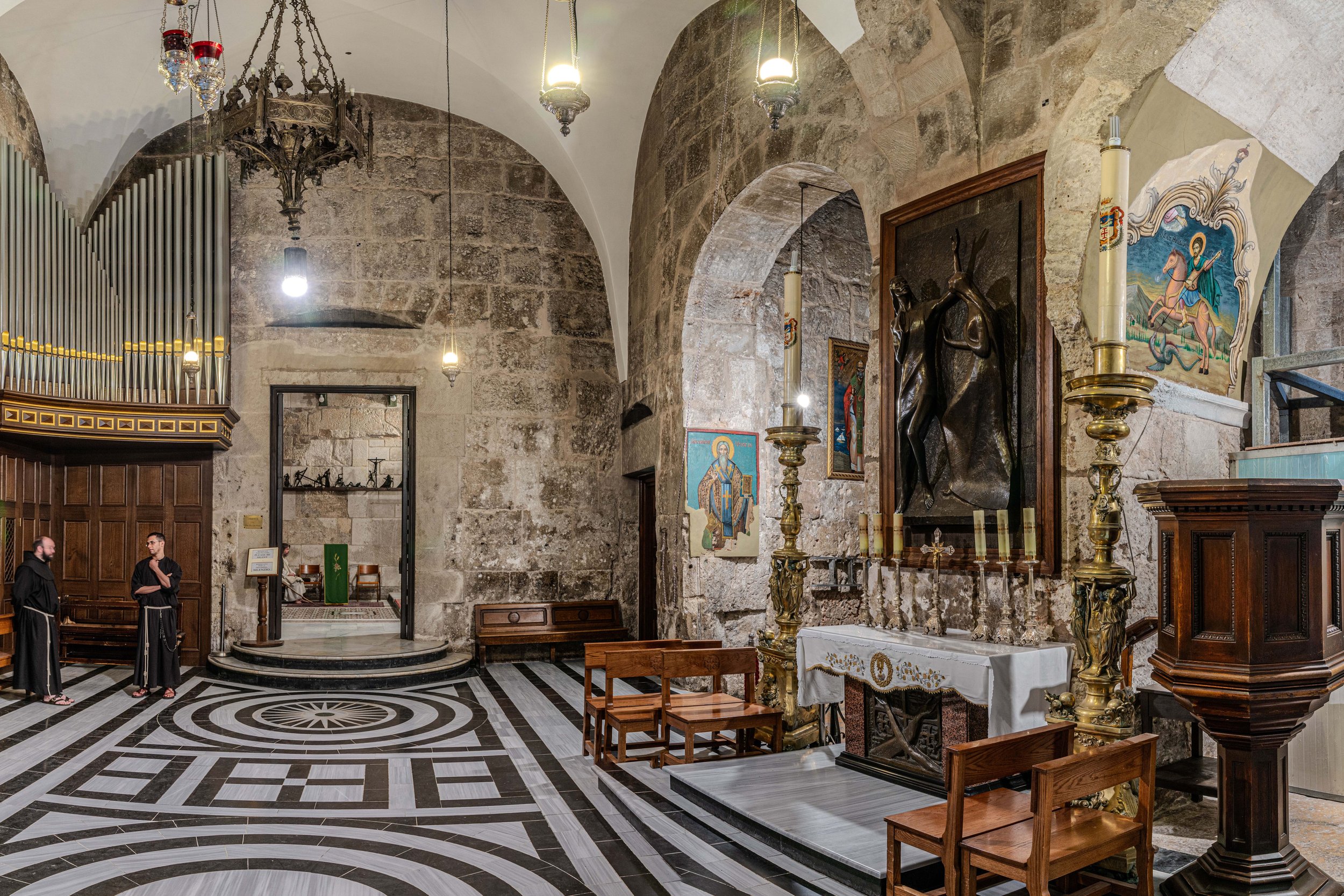
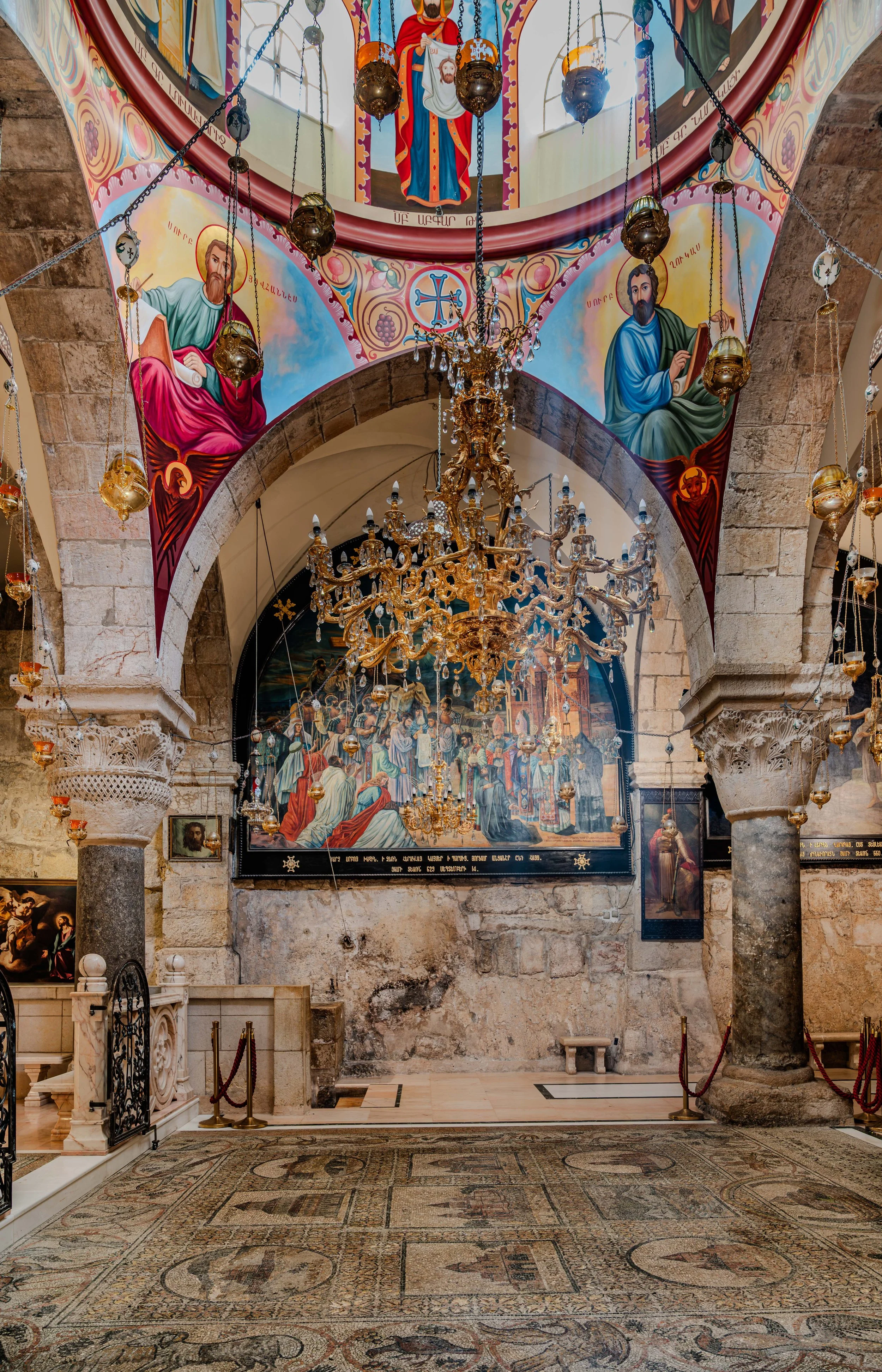
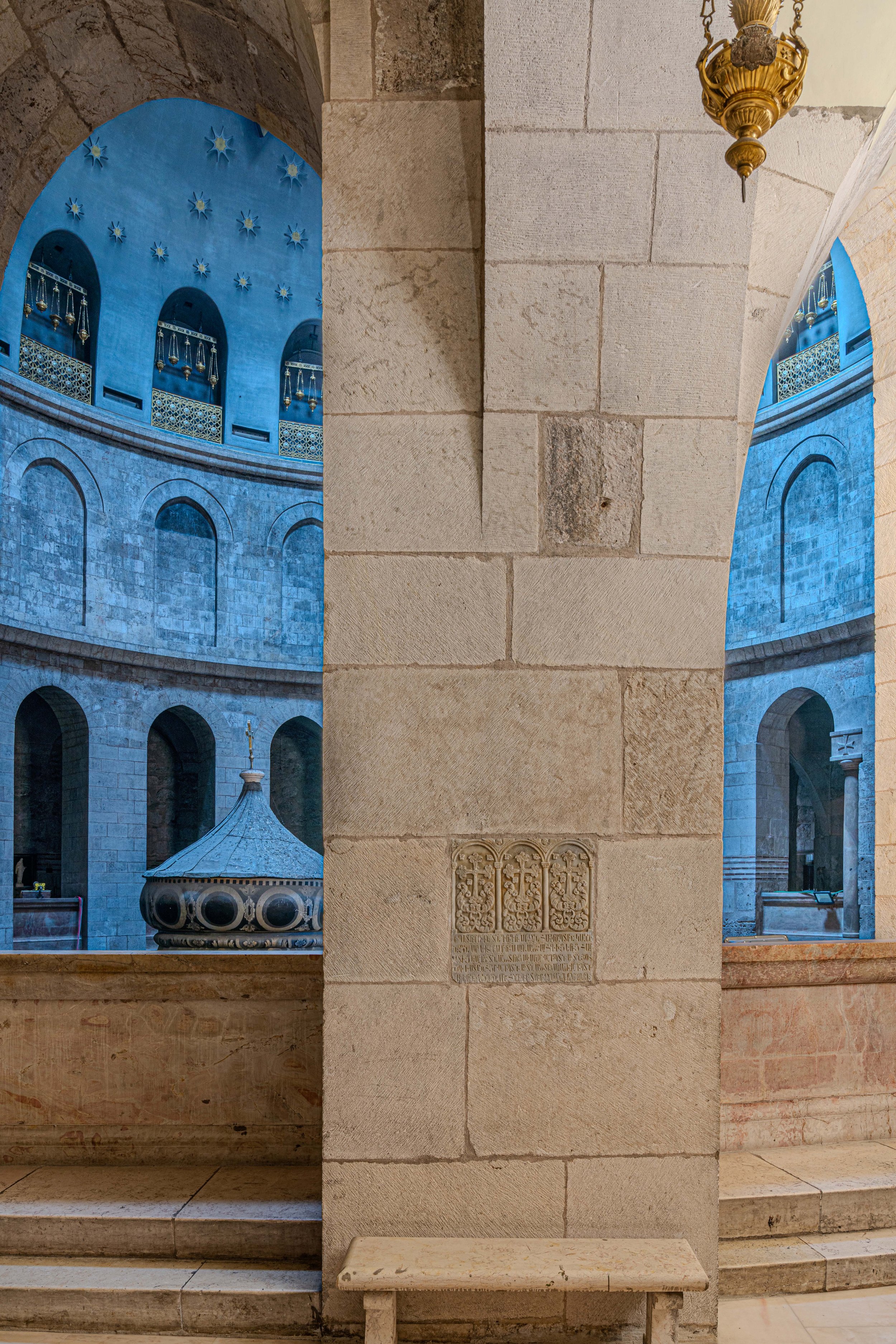
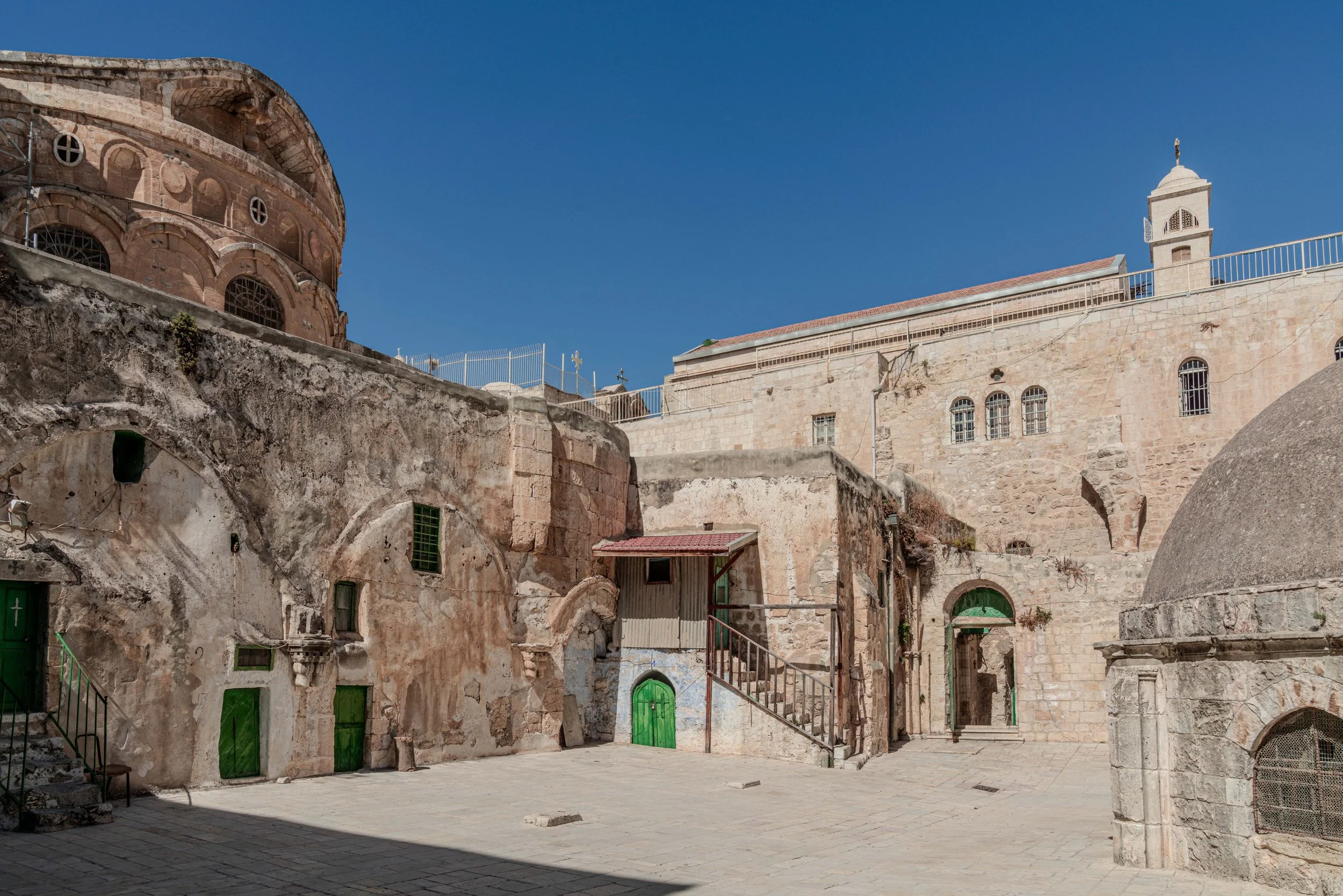
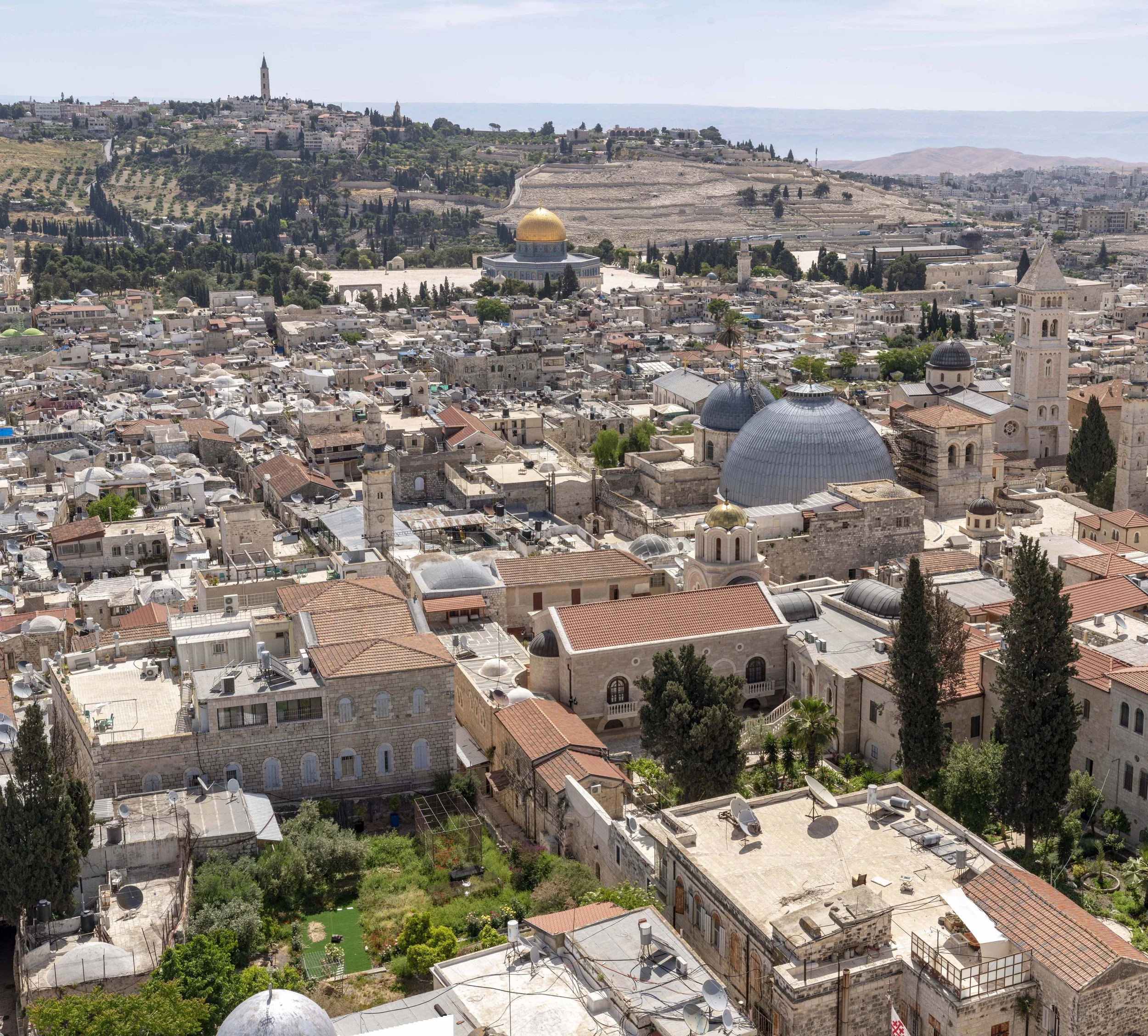
Then, the unexpected happened, the Covid-19 lockdown. During this time, as the Old City was essentially sealed off to the public, I found myself in a rare and fortunate position. With few exceptions, only a small group of people, including myself, were granted permission to roam within the city. This meant no tourists, no pilgrims, and no one entering or exiting the church except for a handful of priests who lived there. In an almost surreal twist of fate, I was granted exclusive access to photograph the church, thanks to my wife’s connections. For the first time in my life, I was able to experience the church in complete solitude, with ample time to observe its hidden details and appreciate its intricate beauty, elements that had long been obscured by the layers of construction and reconstruction over the centuries.
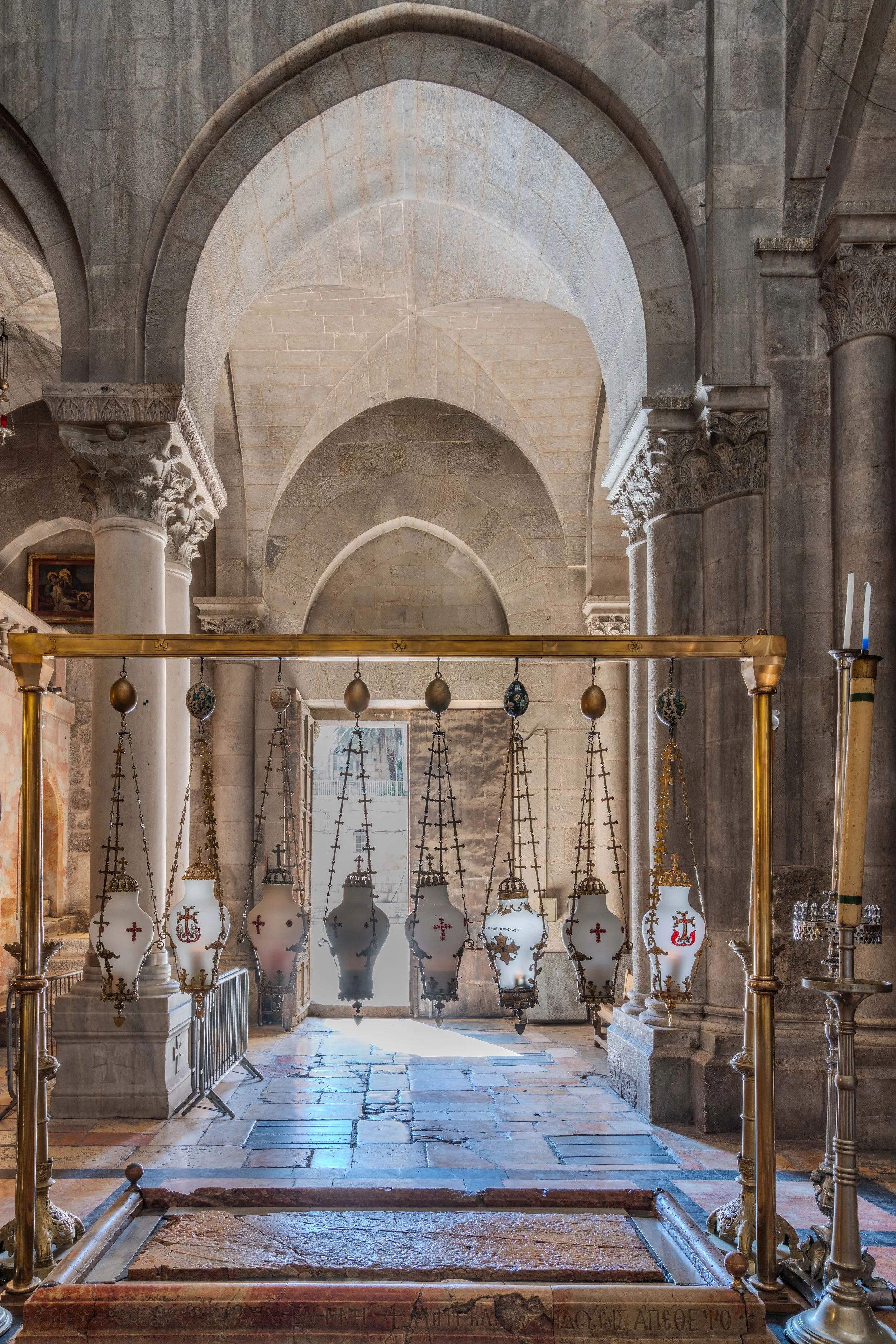
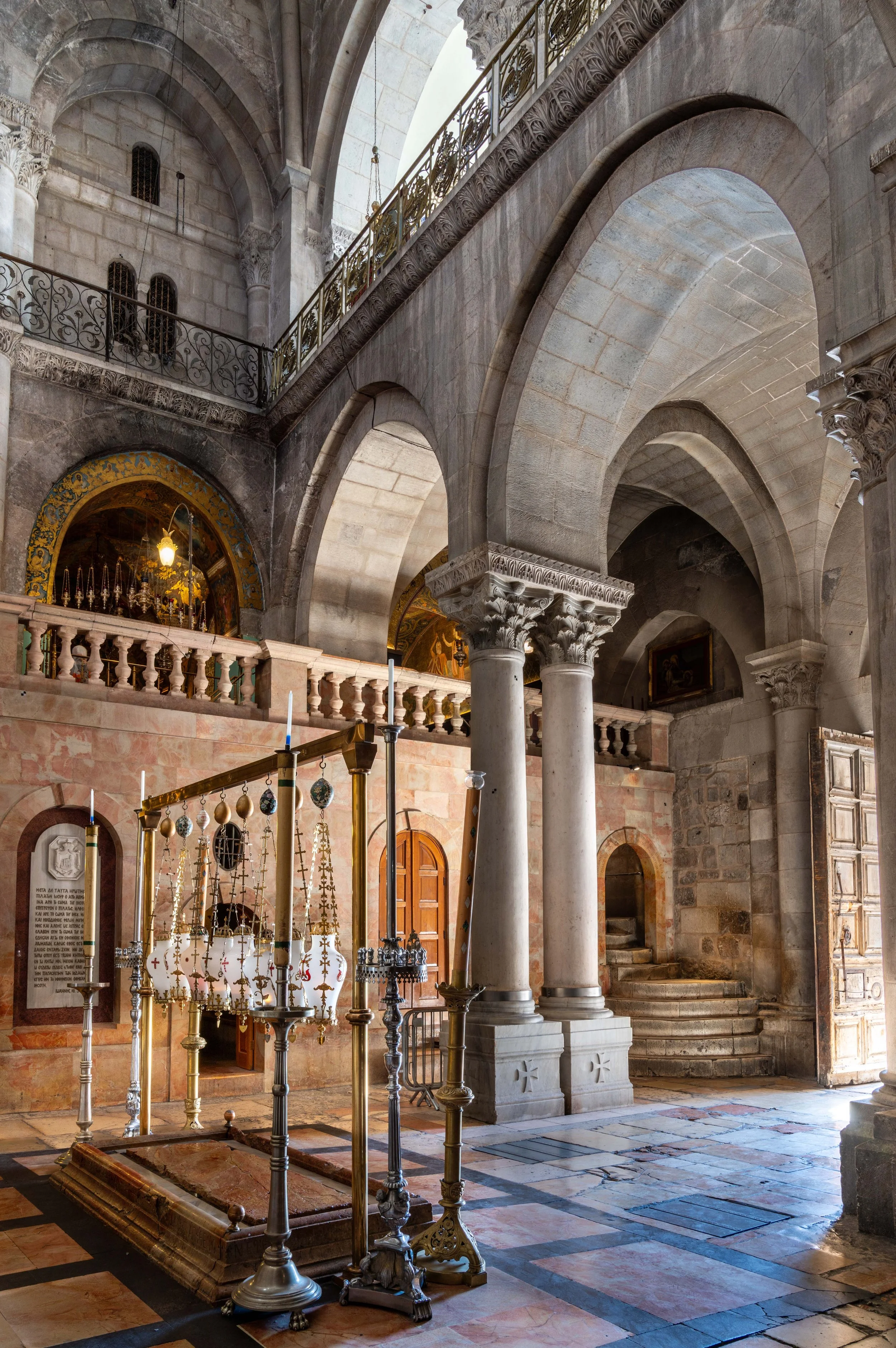
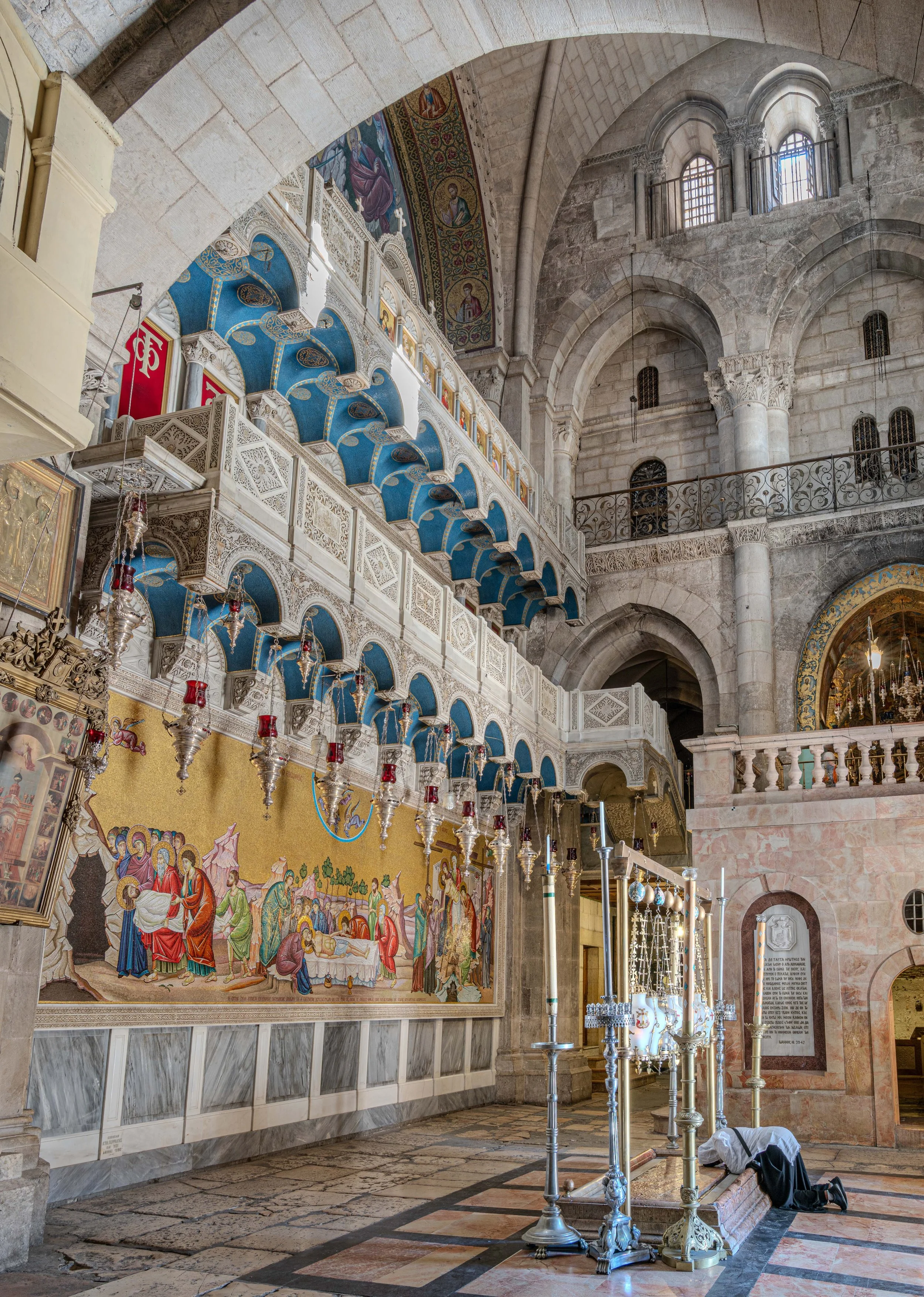
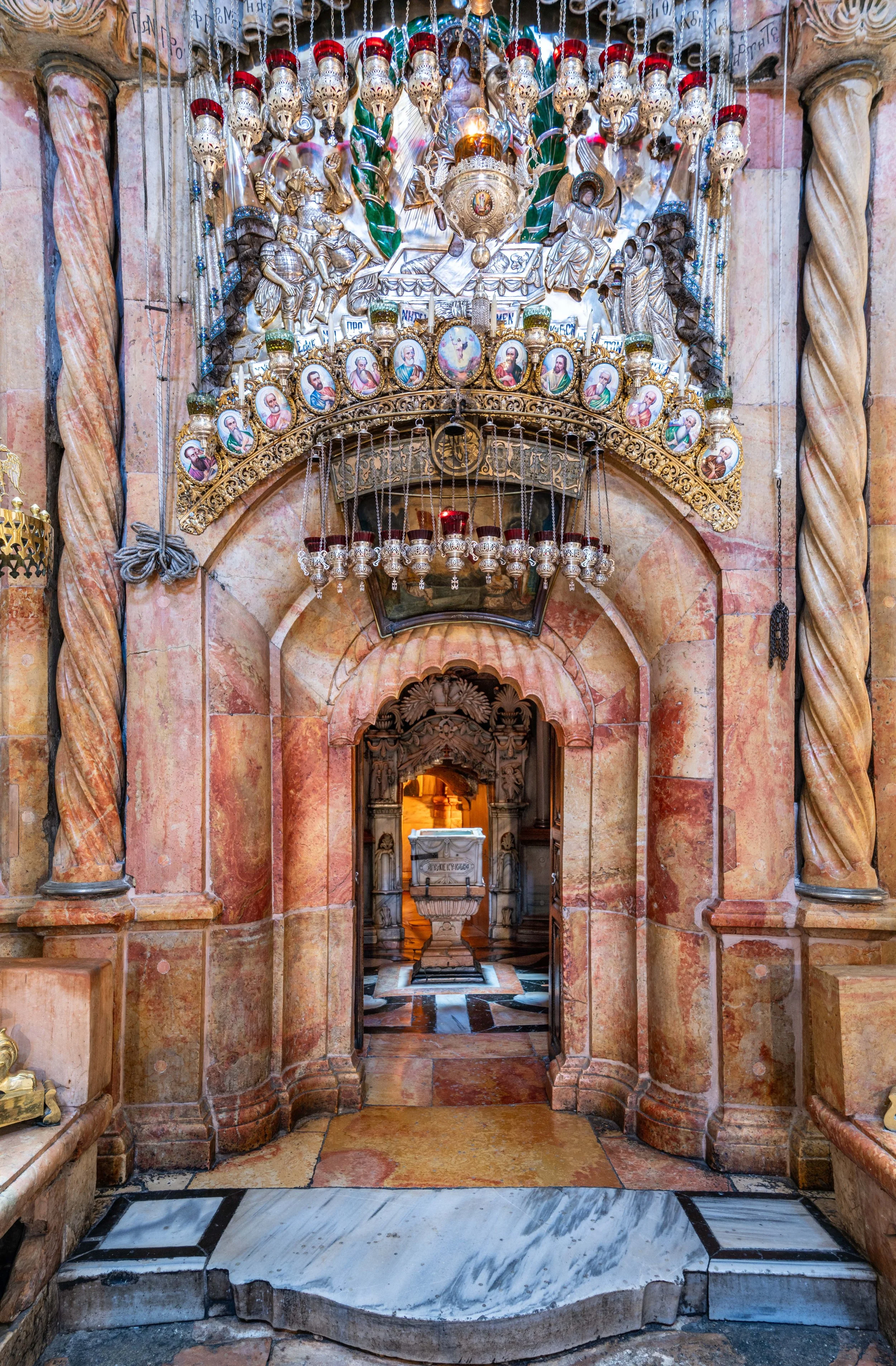
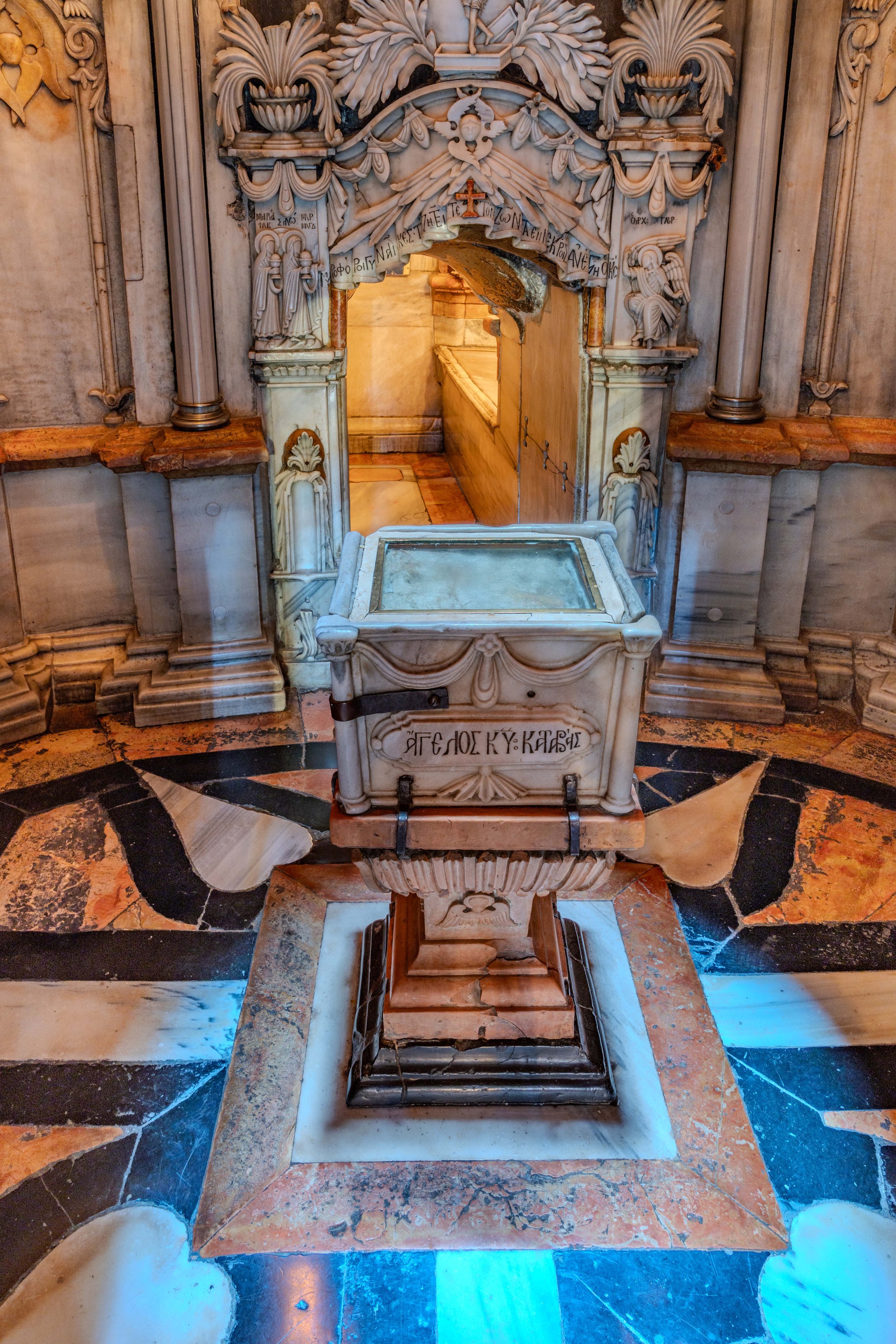
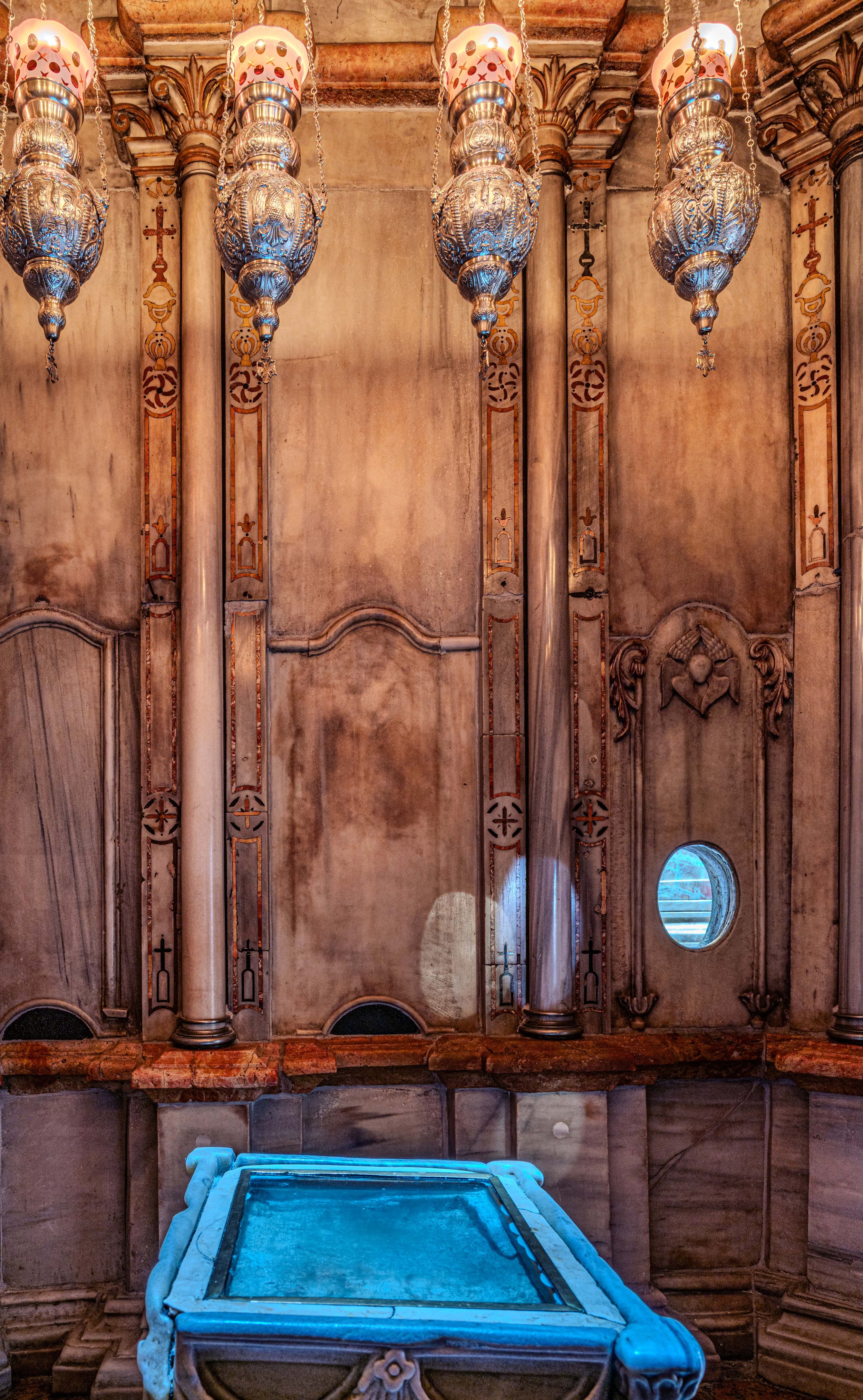
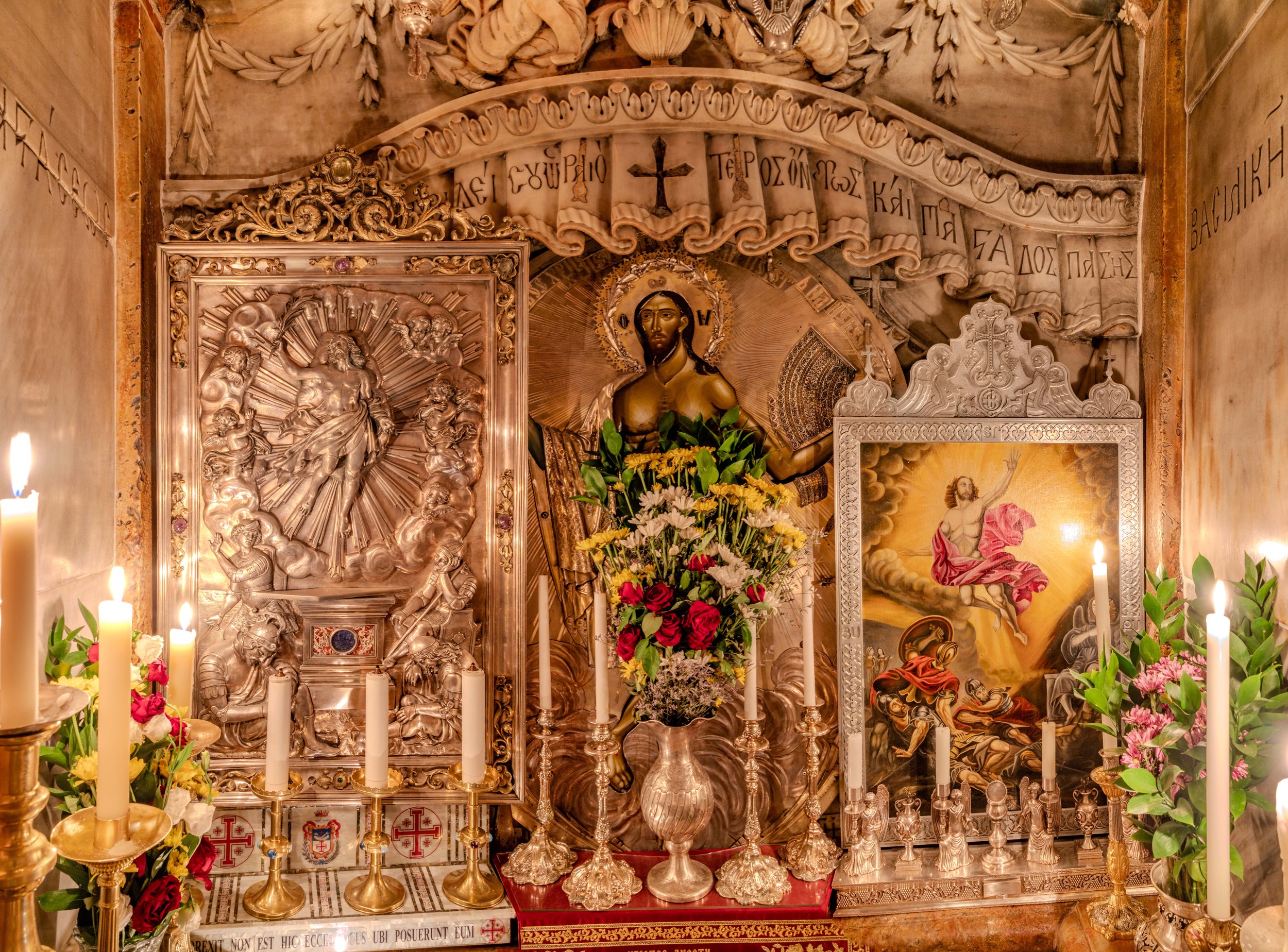
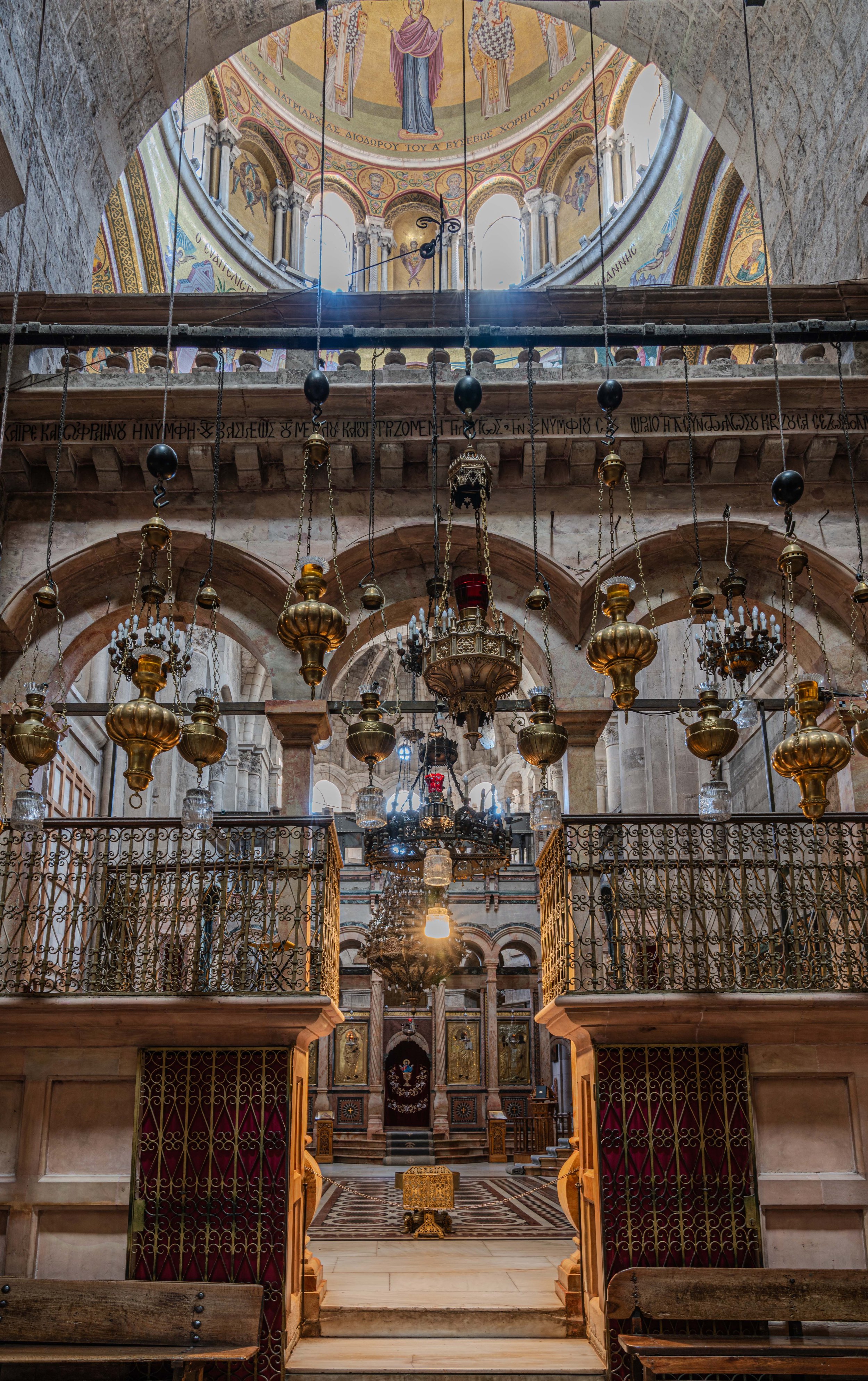
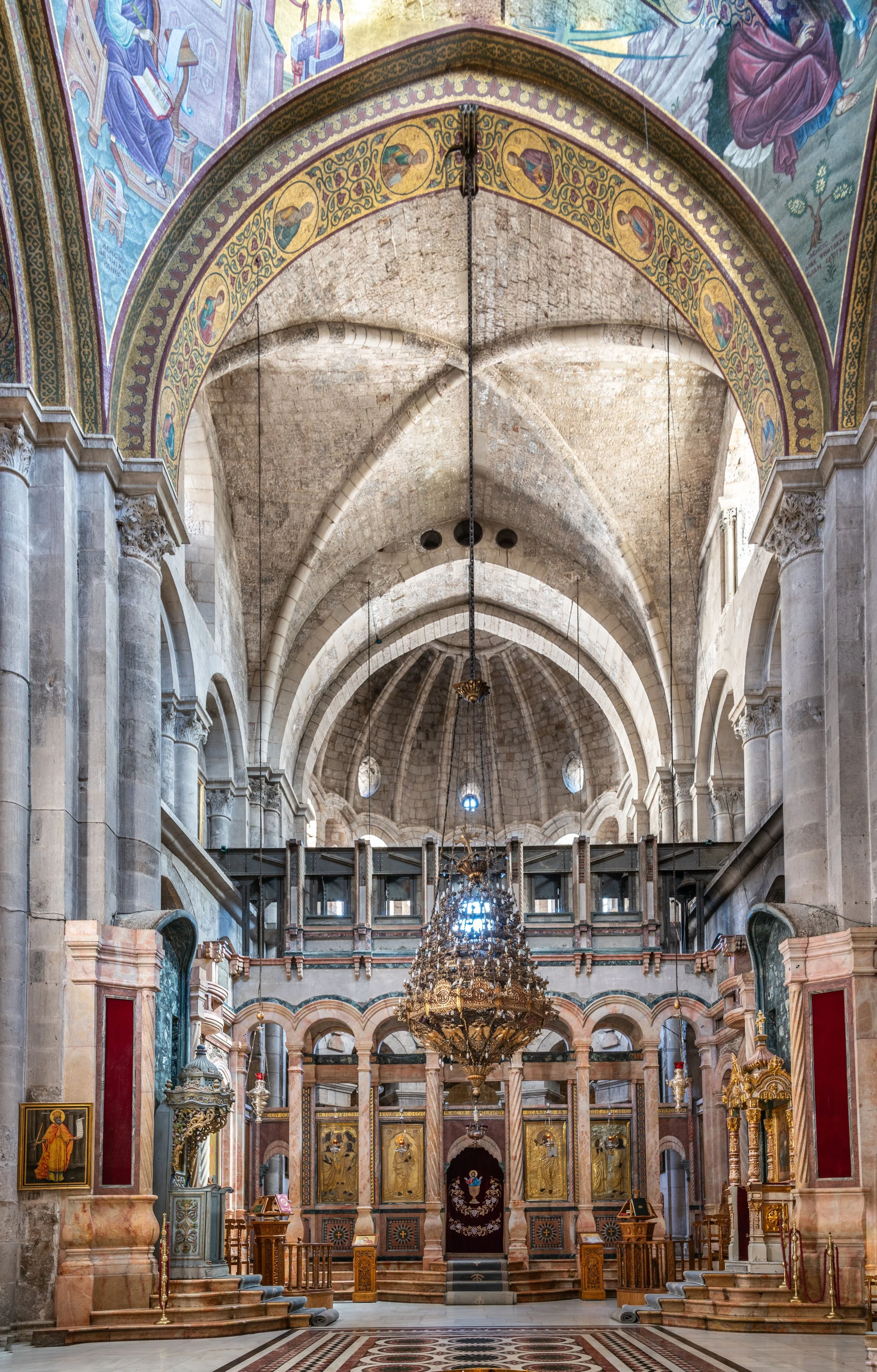
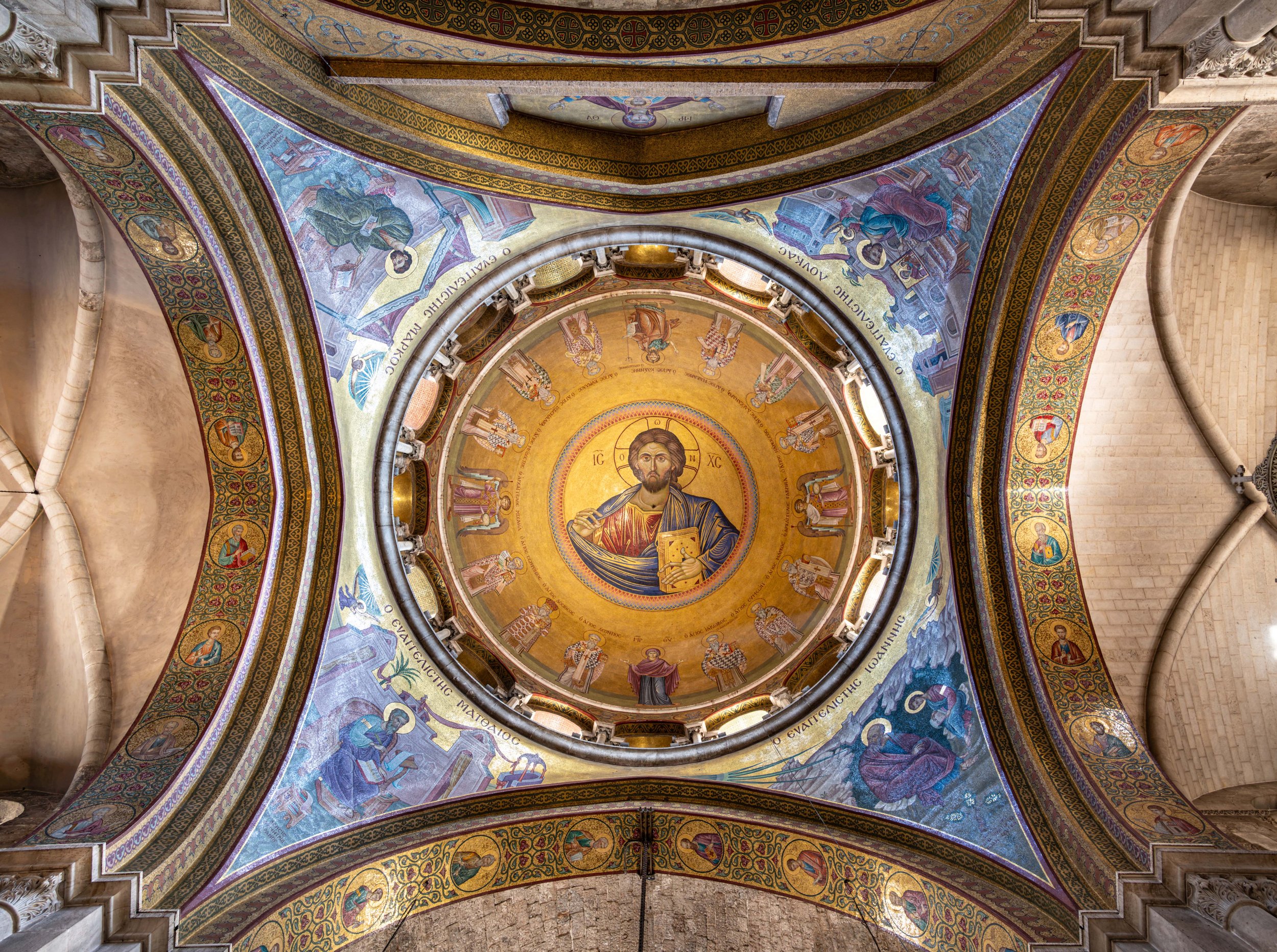
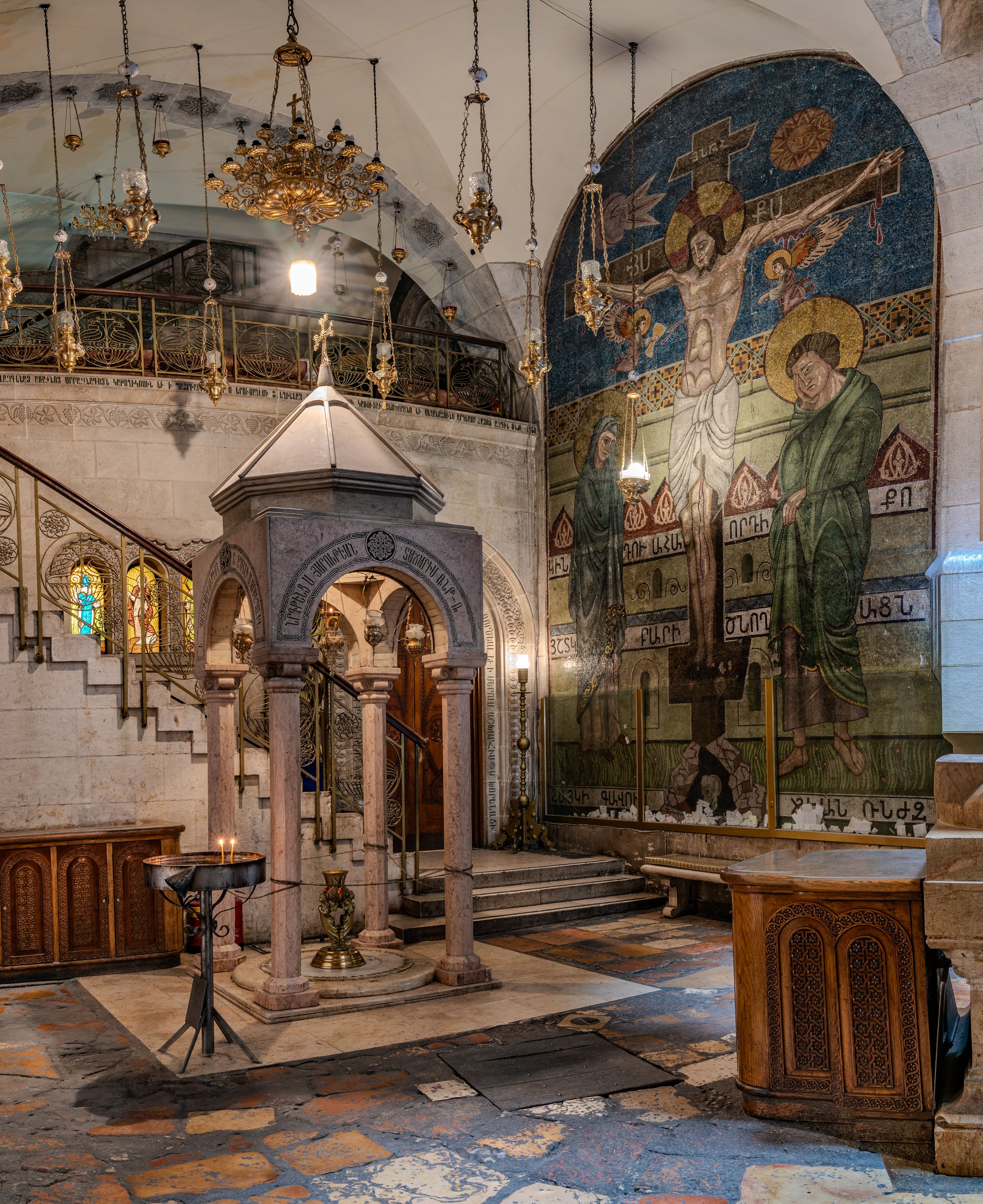
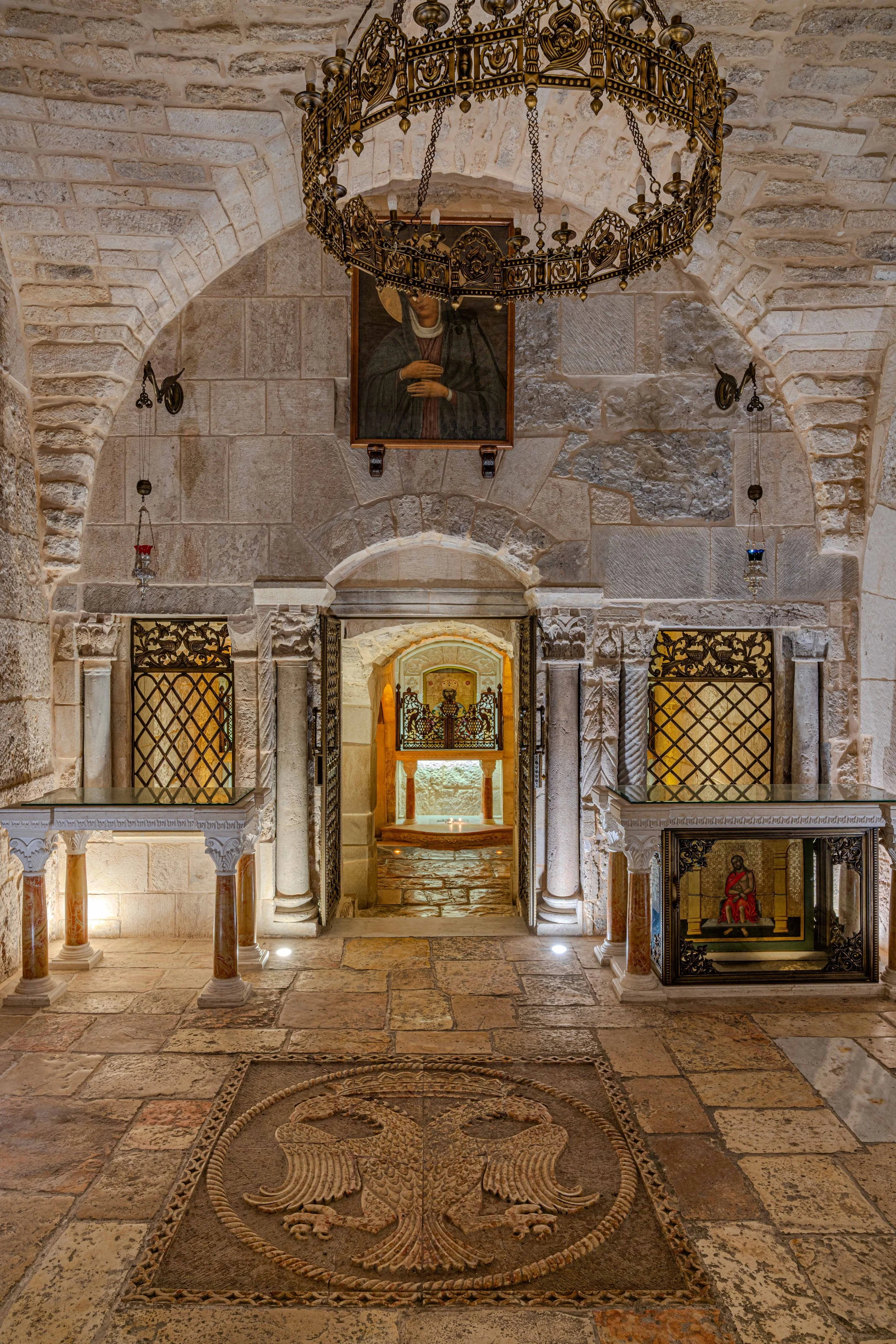
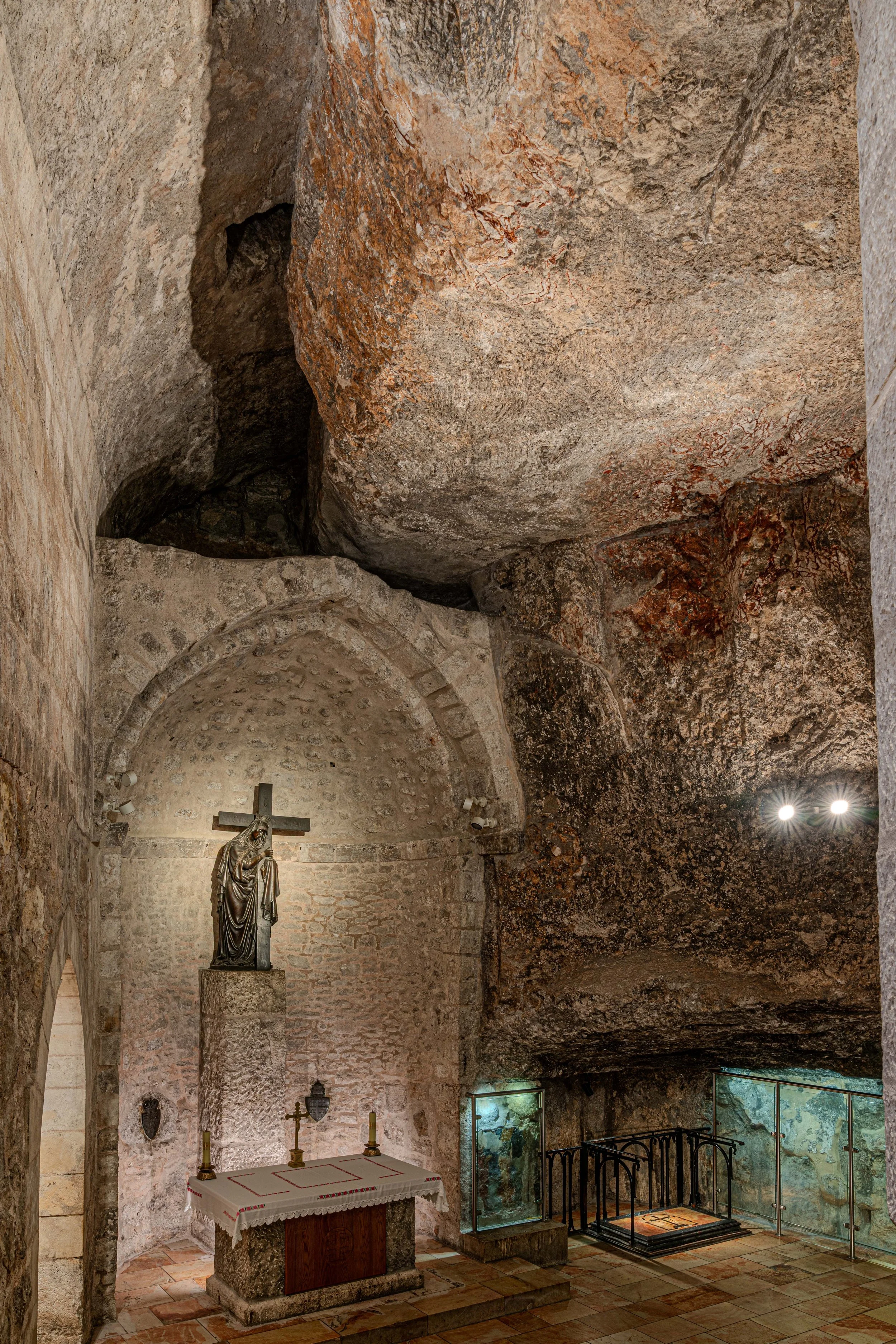
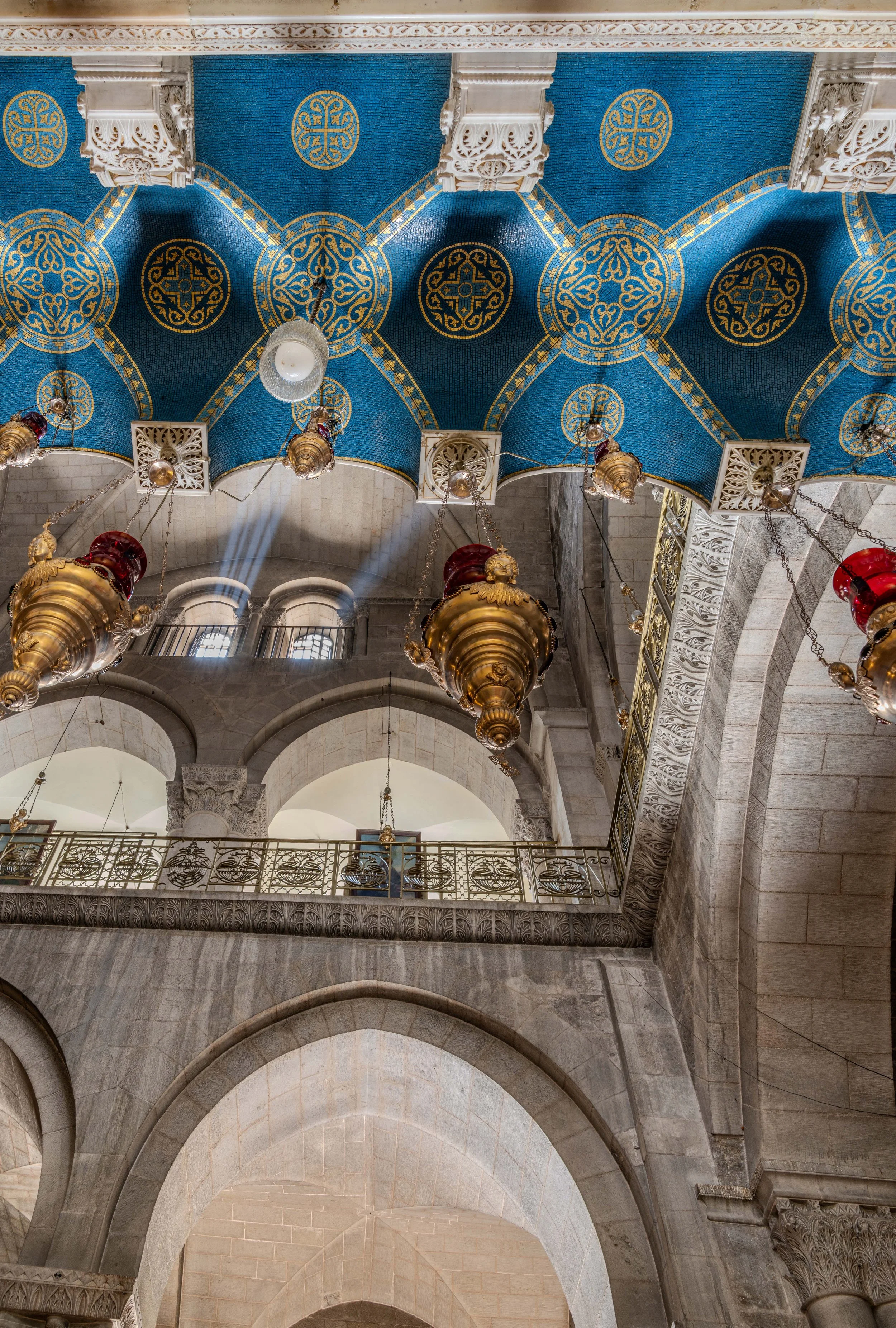
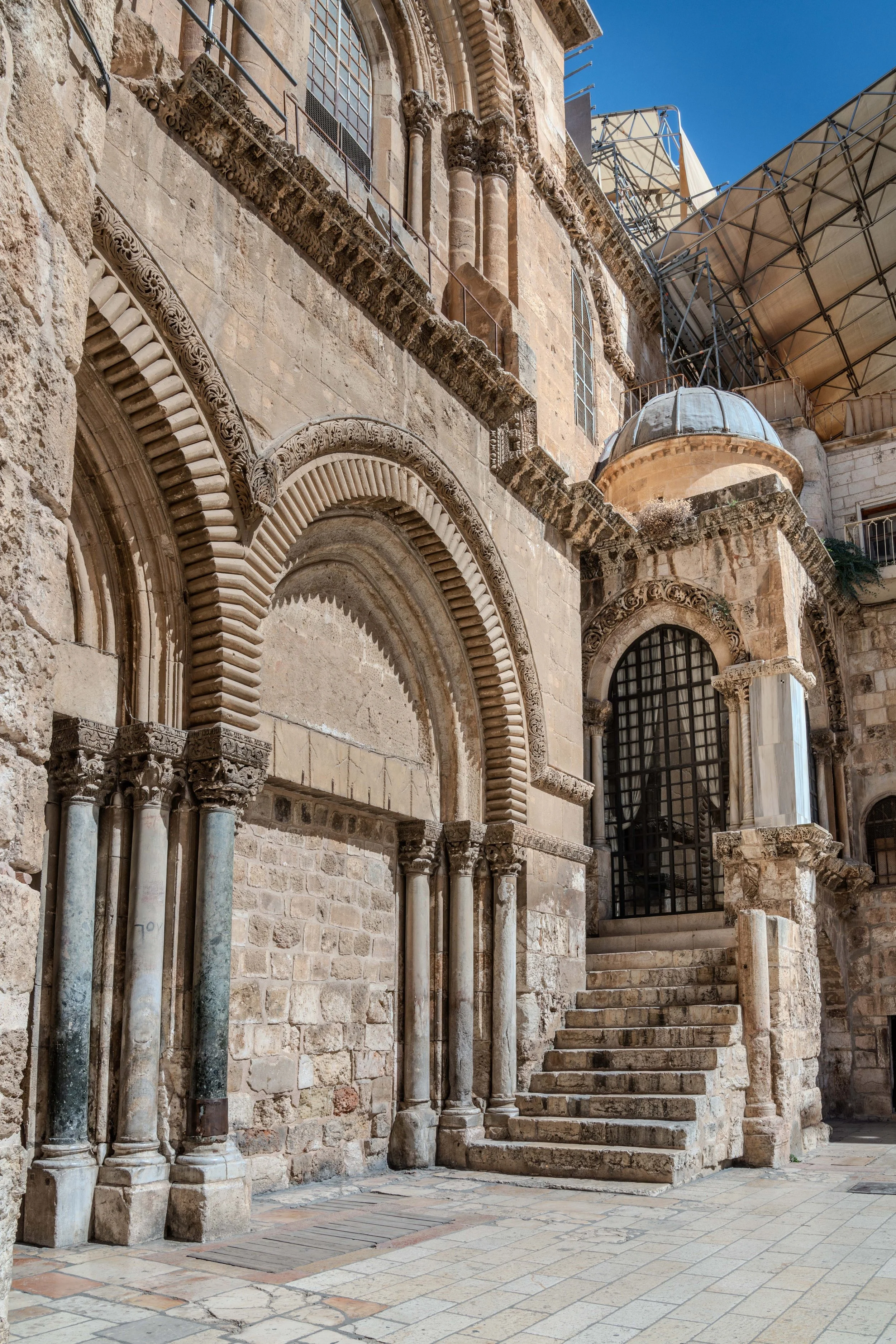
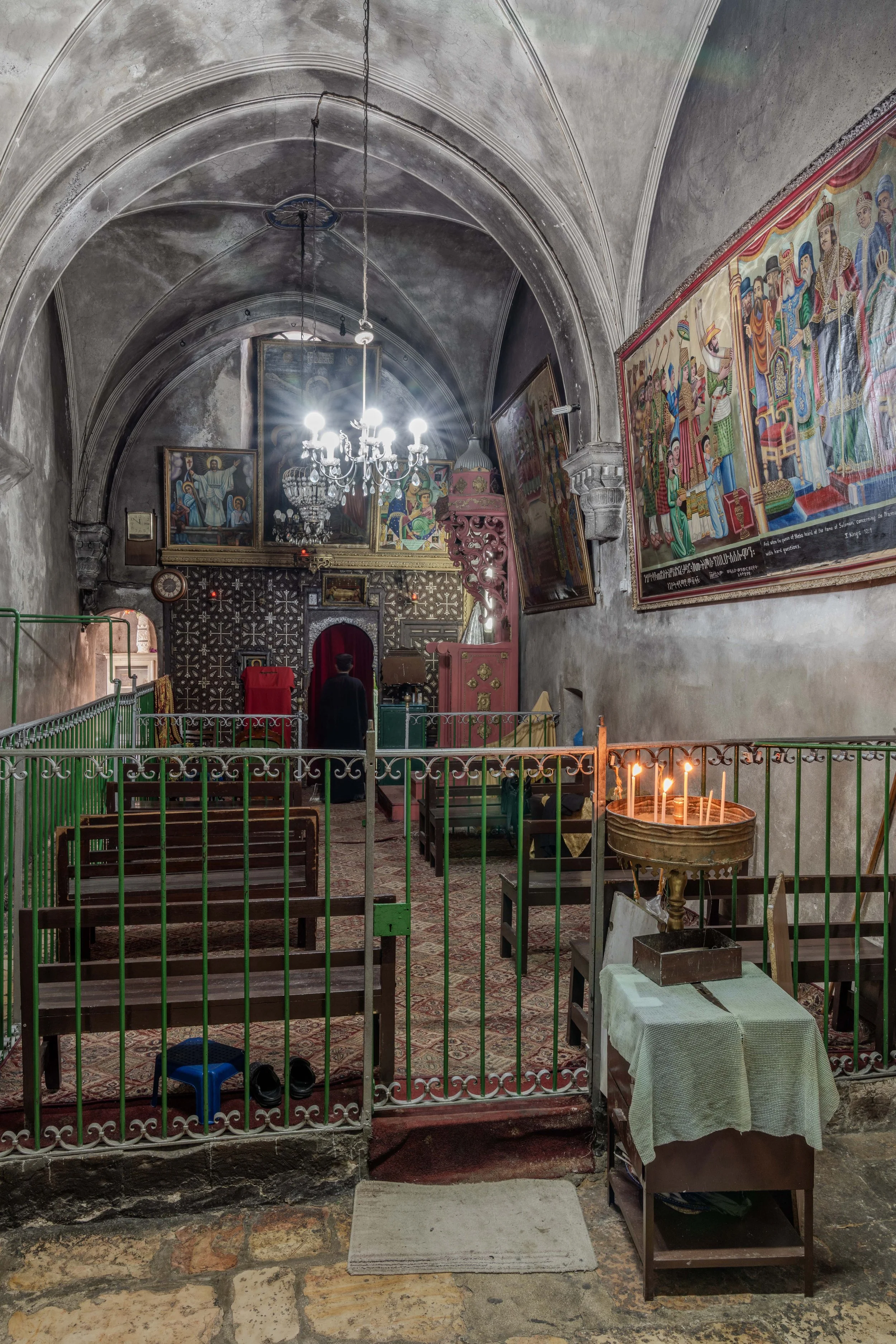
What struck me most were the numerous, often overlooked details: the chapels, the altars, the mosaics, the columns, the stairs, and the ceilings. Each element told a story of the church's history and the many hands that had shaped it over time. I moved through the church as if on a treasure hunt, uncovering hidden gems in the form of crevices, lanterns, and architectural details that had been swallowed by time. I was able to take my time, photographing the spaces that, though profoundly sacred, often went unnoticed due to the overwhelming presence of visitors.
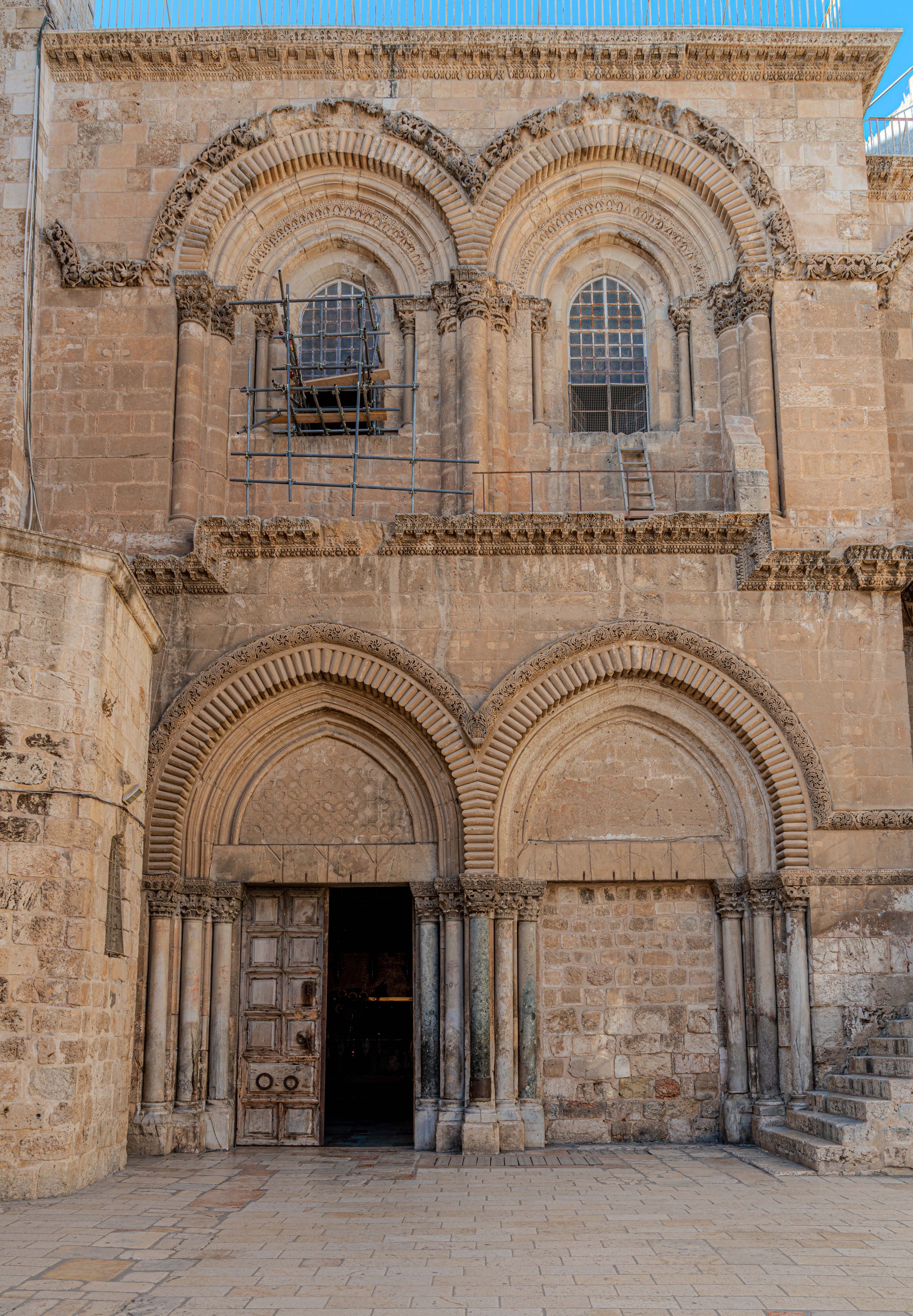
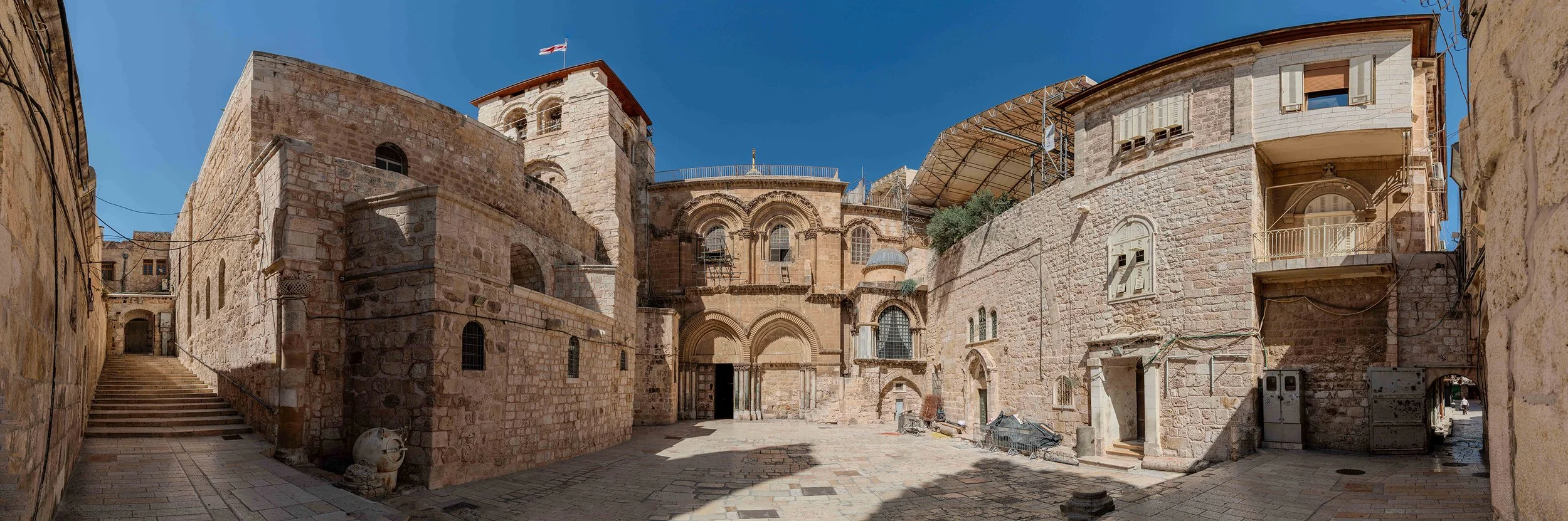
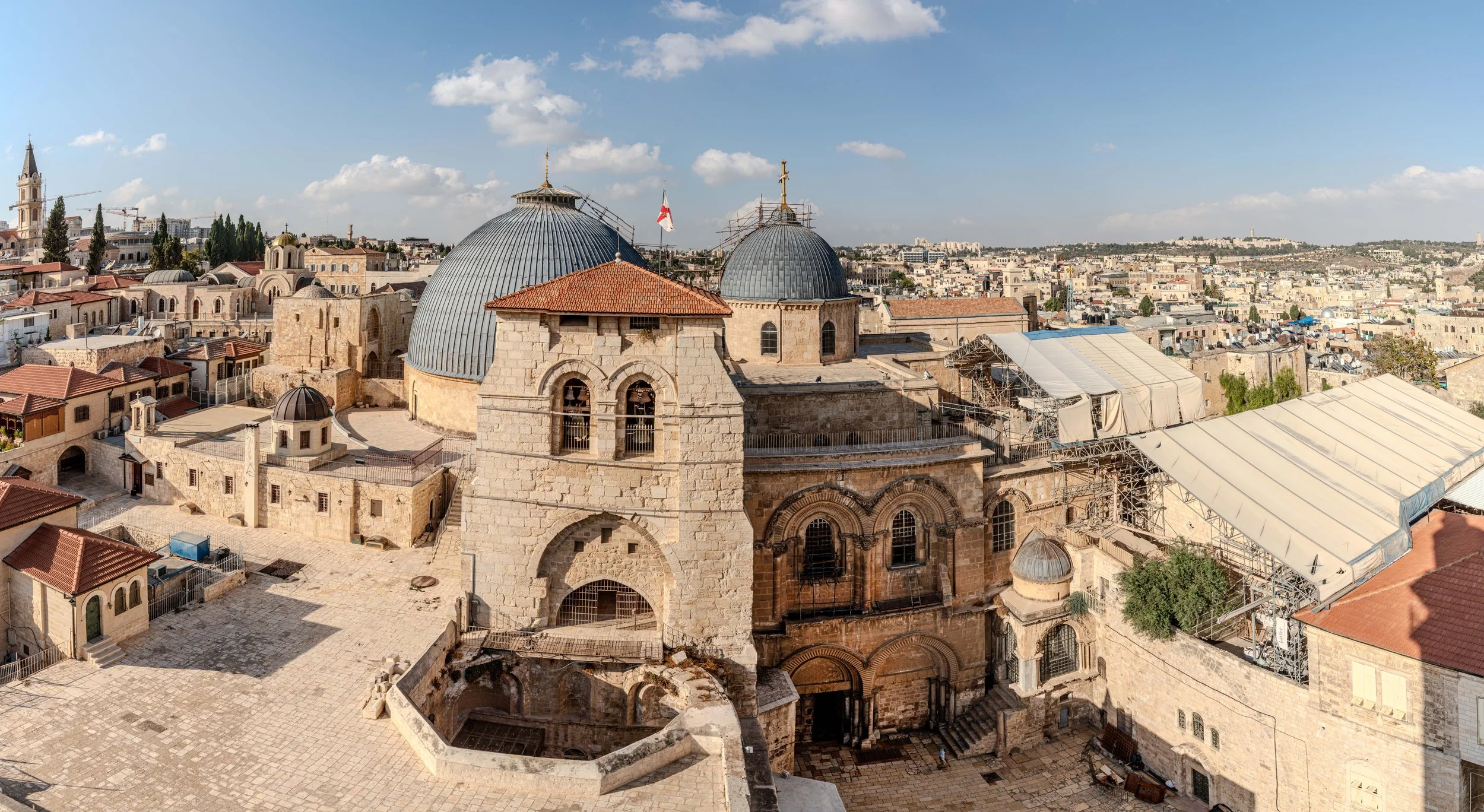
However, the experience was not without its challenges. At the time, major renovations were underway in the church, and some parts of the building were in disrepair. As a result, certain places were inaccessible, and some of the photos, especially from the outside, may show construction materials or unfinished areas. The renovation work has since been completed, and I am planning to revisit the site to capture the façade in its finished state. Unfortunately, as is often the case in the area, the location is once again teeming with people, and I am not particularly keen on including crowds in my photographs.
Still, despite these small obstacles, I feel incredibly fortunate to have had this rare opportunity to document the church in a way that few others have. It’s my hope that through this work, I can offer a fresh perspective on the Church of the Holy Sepulcher, shedding light on its often hidden beauty and offering a visual testament to its rich and complex history.