Via Dolorosa (2019/2026)
Via Dolorosa, Jerusalem. Hand-colored photograph album of Jerusalem and Palestine, 1919. American Colony Photographers and Painters. Created/Published between 1900 – 1919. John D. Whiting Collection, Library of Congress, Washington, D.C. Dimensions: 100 x 126 cm
layers of memory and imagination
The archival image is not the past itself, but a framing of it. Likewise, the new photograph is not the present as such, but my own framing. Between these partial views, a space opens, Not a void, but a productive absence where memory and imagination take center stage.
past tense
The project is a study of century-old photographs in an attempt to understand the present-day reality. The focus is primarily on Jerusalem and its urban landscape, delving into the transformations of the city’s urban space, its reconfiguration by and for the new occupiers, its reconstructed historicity and remodeled image to service a newfangled narrative.
Demo at New Gate (2017/2026)
Arab demonstrations on Oct. 13 and 27, 1933. In Jerusalem and Jaffa. Arab demonstration at the New Gate. Police cordon stopping the procession. Jerusalem, 13 October 1933. American Colony Photographers, Matson (G. Eric and Edith) Photograph Collection, Library of Congress, Washington, DC [LC-DIG-matpc-15785]. Dimensions: 120 x 89 cm
suomenlinna
Suomenlinna’s successive histories of Swedish, Russian and Finnish rule remain embedded in a landscape that has served as fortress, prison and home. Its transformations, particularly the prison camp of 1918, lead me to reflect on Jerusalem’s passage from Ottoman to British rule at almost the same moment, and later on to Jordanian and Israeli hands. Through this project, I explore the accumulated traces of authority, violence, memory and everyday life, asking how looking closely at one place might help us recognize patterns that continue to shape and haunt the present.
in the presence of the holy see
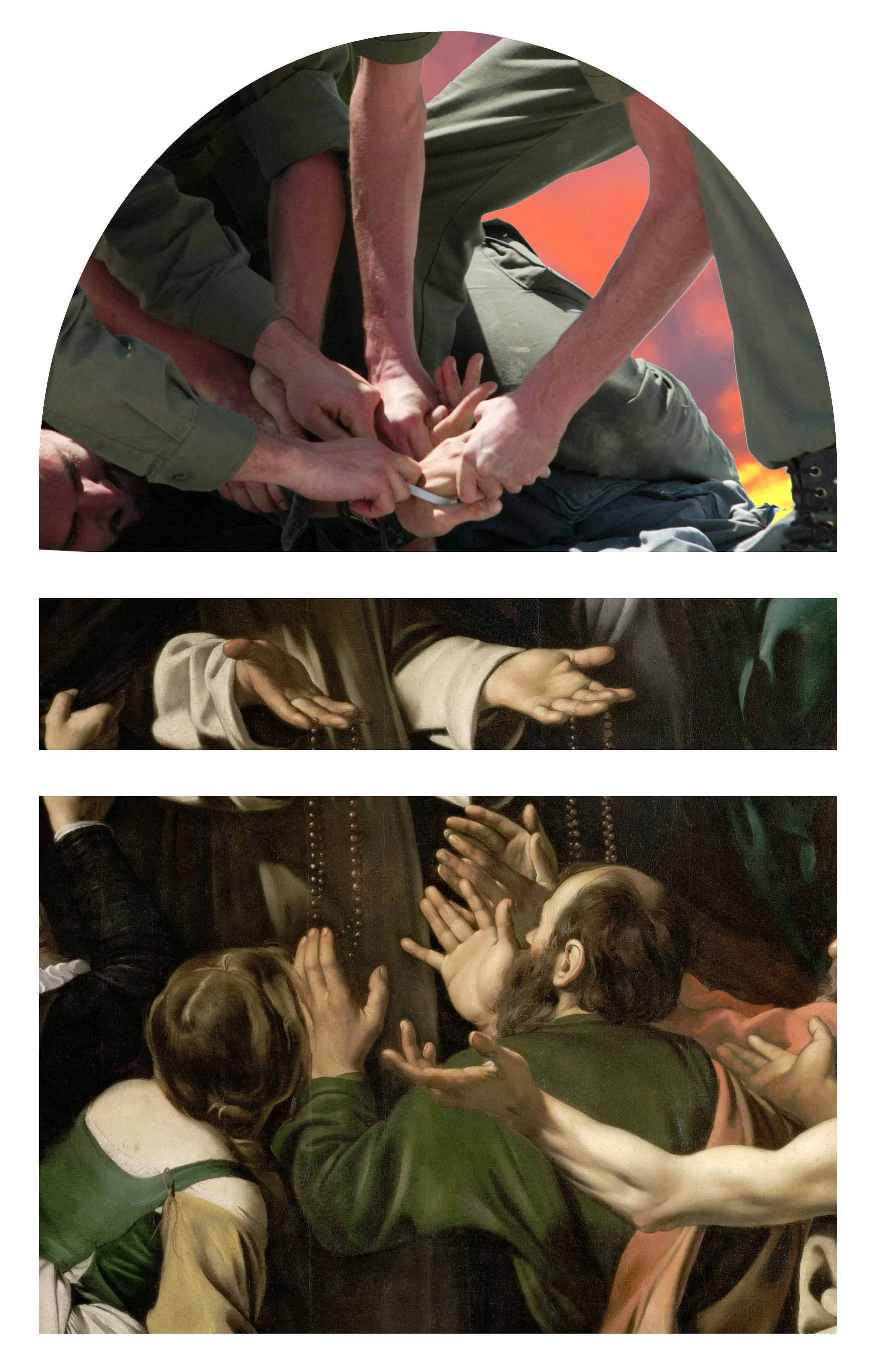
When Pope Francis visited the Holy Land in 2014, he was also visiting Palestine, a country with a threatened population and an ongoing history of suffering caused by conflict and occupation. This body of work, which was created to honour his visit, also reflects some of the ironies of the current situation, and the complexity of the Palestinian identity, as a land and a people.
the Hejaz Railway in Palestine
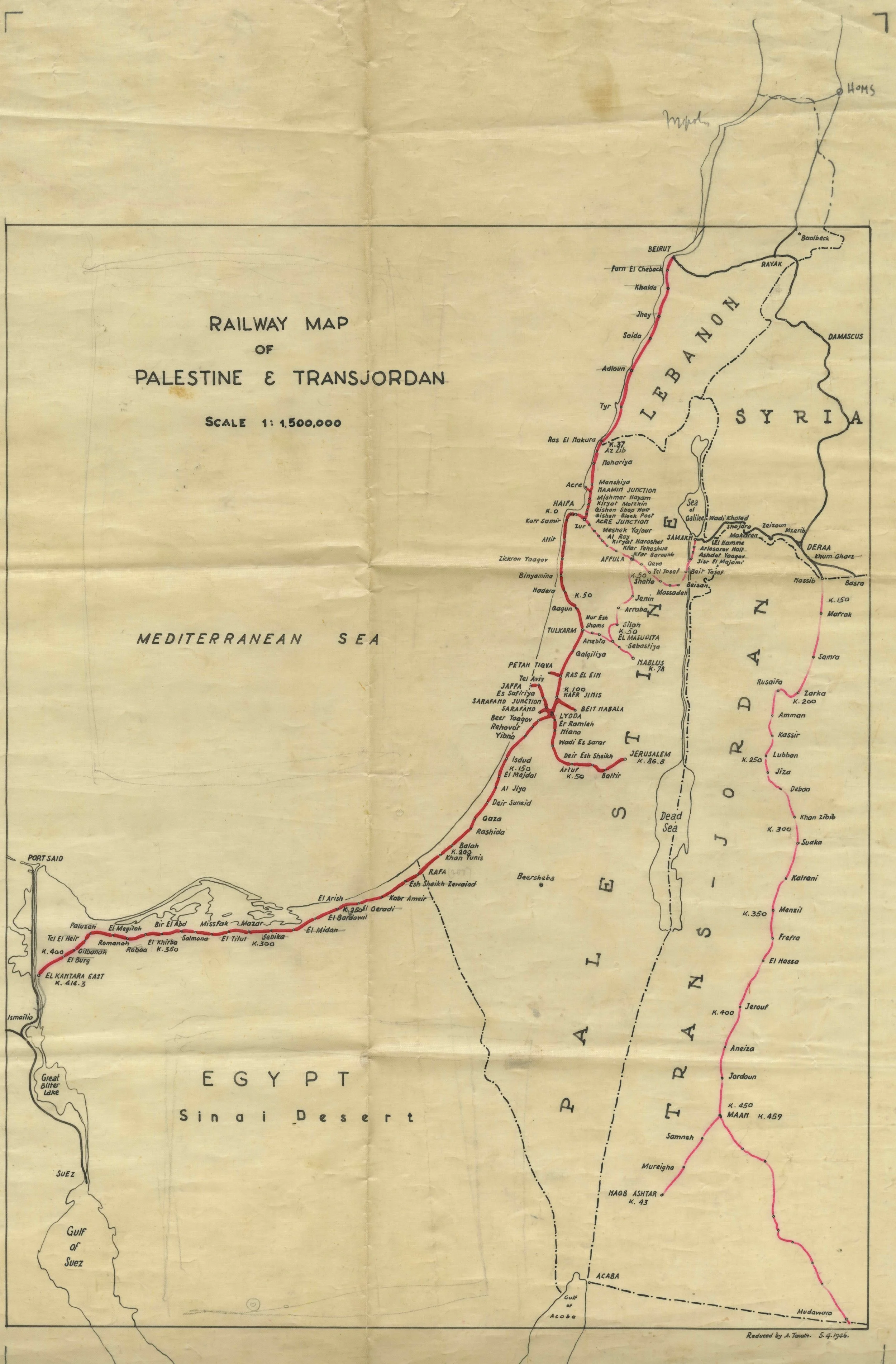
This is a photographic journey, I took in 2020 to explore the Hejaz Railway line in Palestine – or what remains of it. An expedition to the original main stations built along the line by the Ottomans over a century ago, follows its path from Haifa to Al-Hamma, reveling in the country’s myriad beauty from the Mediterranean coast to the Yarmouk River.
armenia
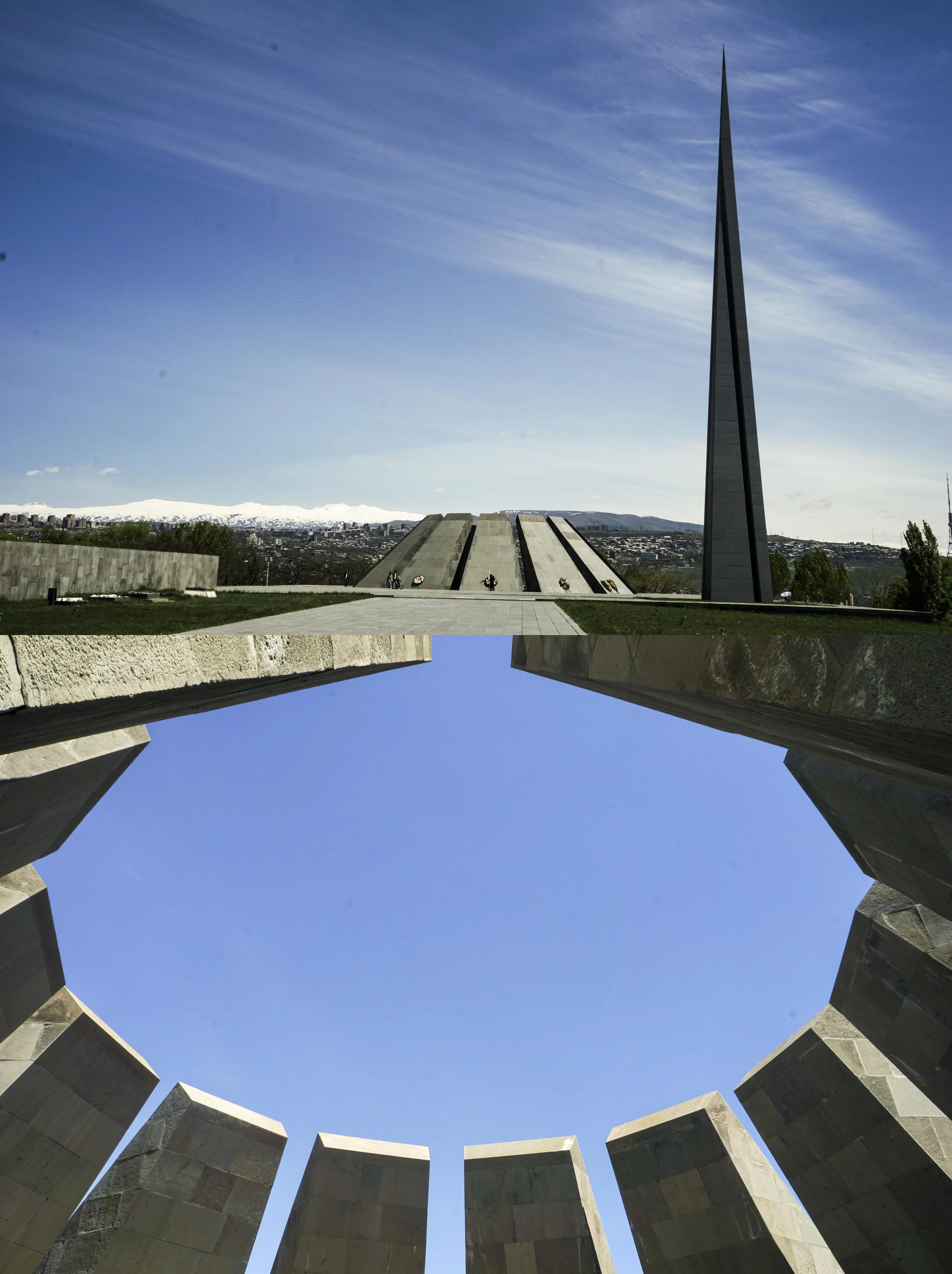
I return from my trip to Armenia with questions rather than conclusions. The overcast mood that accompanied my visit remains with me, but it cannot account for the whole country. What stays with me is the sense of a place negotiating the distance between what it has inherited and what it hopes to become. The way forward may be uncertain, but uncertainty does not mean that nothing is moving.
Holy Sepulchre
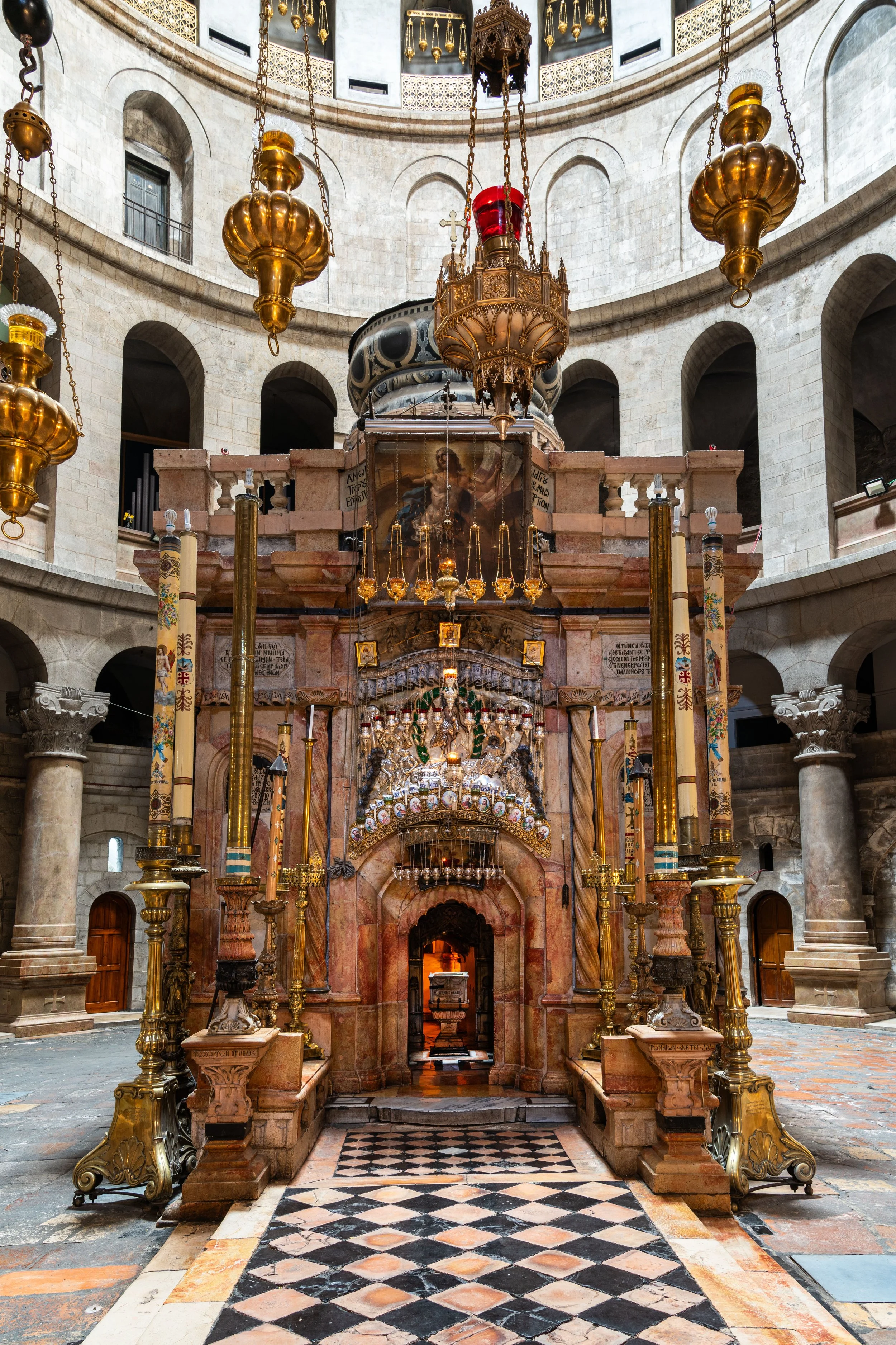
For the first time in my life, I was able to experience the Church of the Holy Sepulchre in complete solitude – thanks to the Covid-19 lockdown – with ample time to observe its hidden details and appreciate its intricate beauty, elements that had long been obscured by the layers of construction and reconstruction over the centuries, and the constant flow of tourists and pilgrims descending on one of Christianity’s holiest places.
Never part
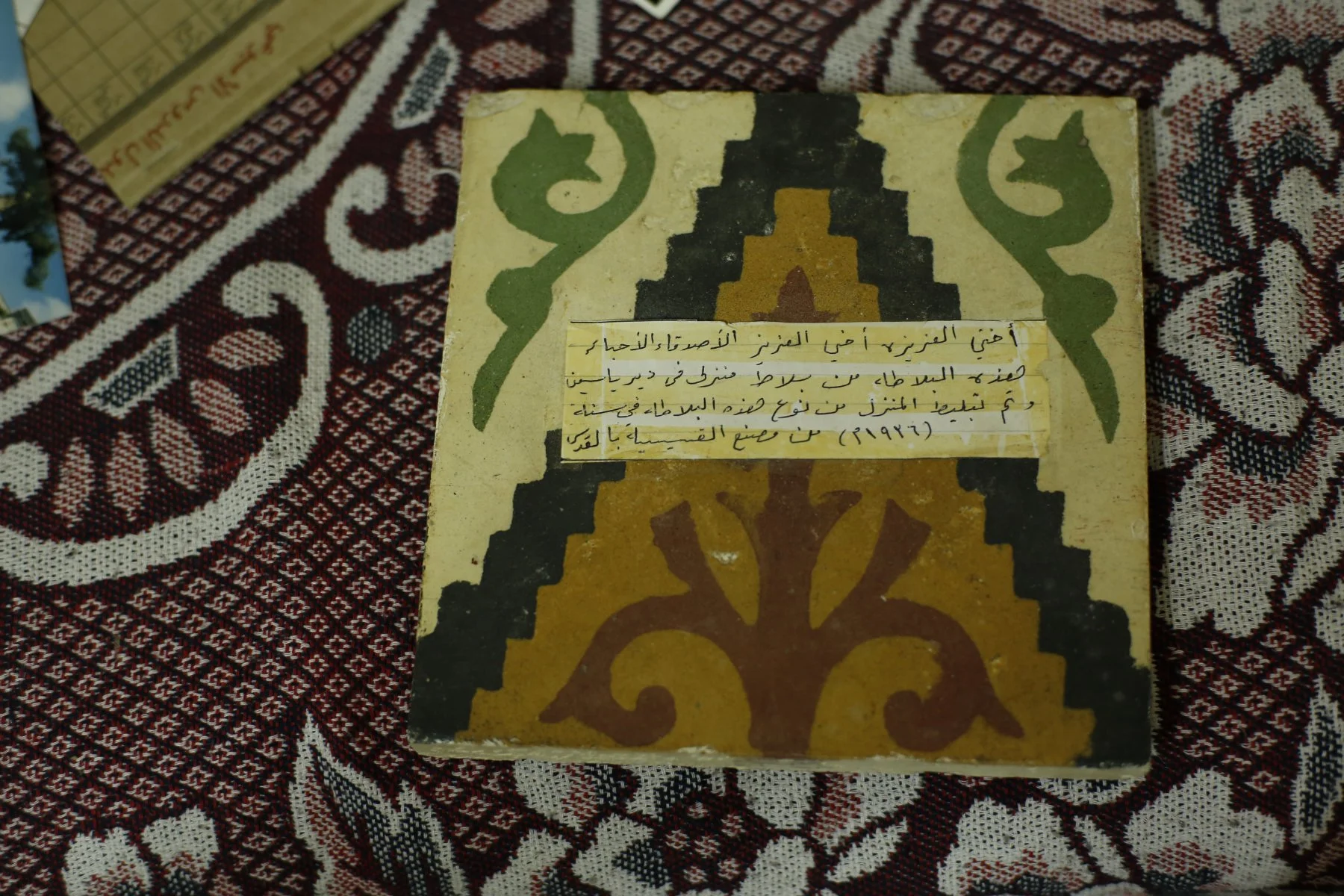
The Palestinian experience, marked by exile, occupation, and resistance, is a mosaic of fragmented histories. Never Part seeks to reconstruct a living archive through objects that Palestinians have refused to abandon over decades of displacement. These objects, imbued with personal and collective significance, serve as vessels of memory, defiance, and identity.
Riyadh
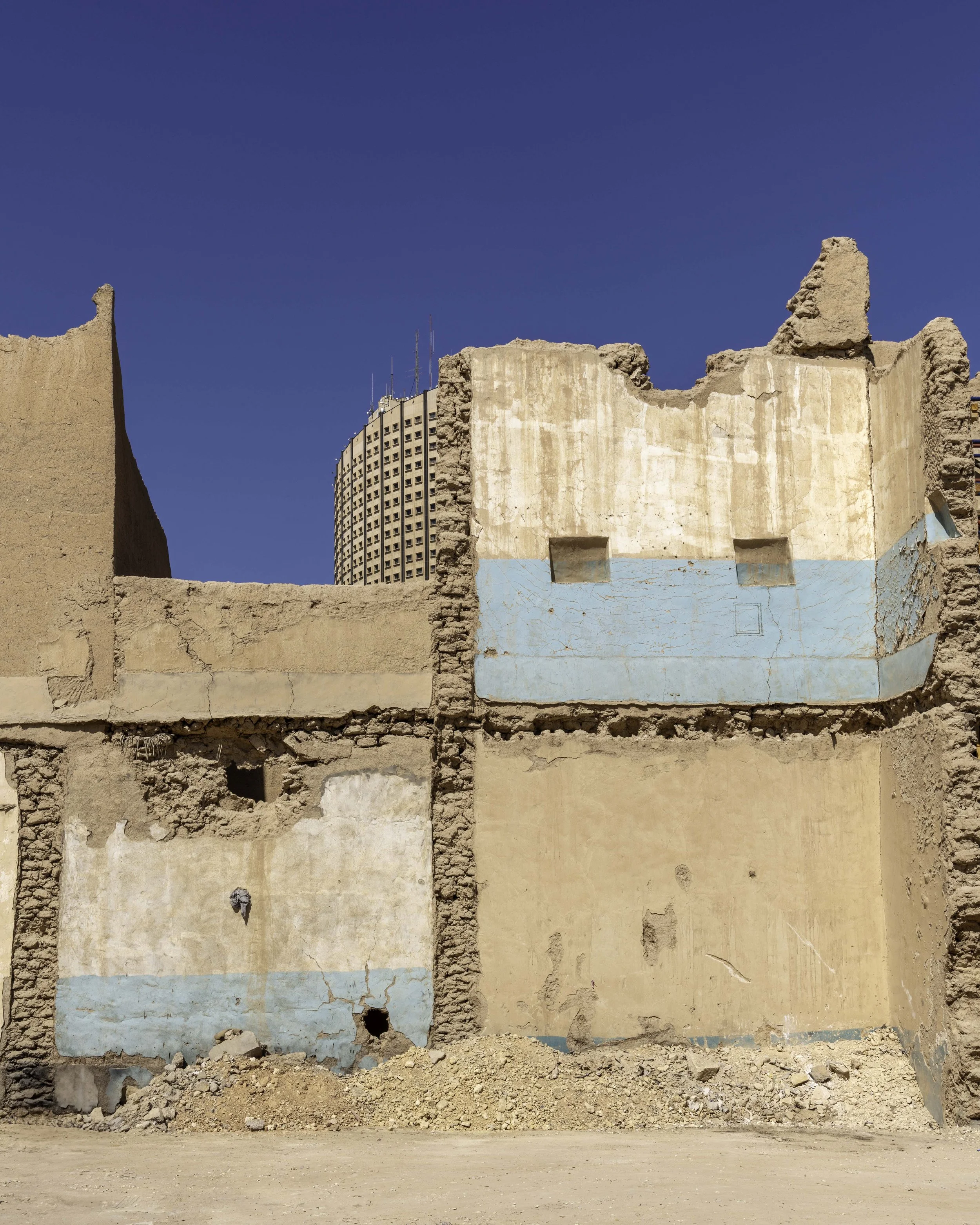
In Riyadh, I explore how old and new buildings meet within the city’s changing landscape. Seen from particular angles, landscapes and structures from different periods seem to merge, revealing an unexpected ease in their coexistence. This is my first project in which archival photographs and historical documents do not shape the compositions; the city itself brings its different histories into the same frame.
Hebron
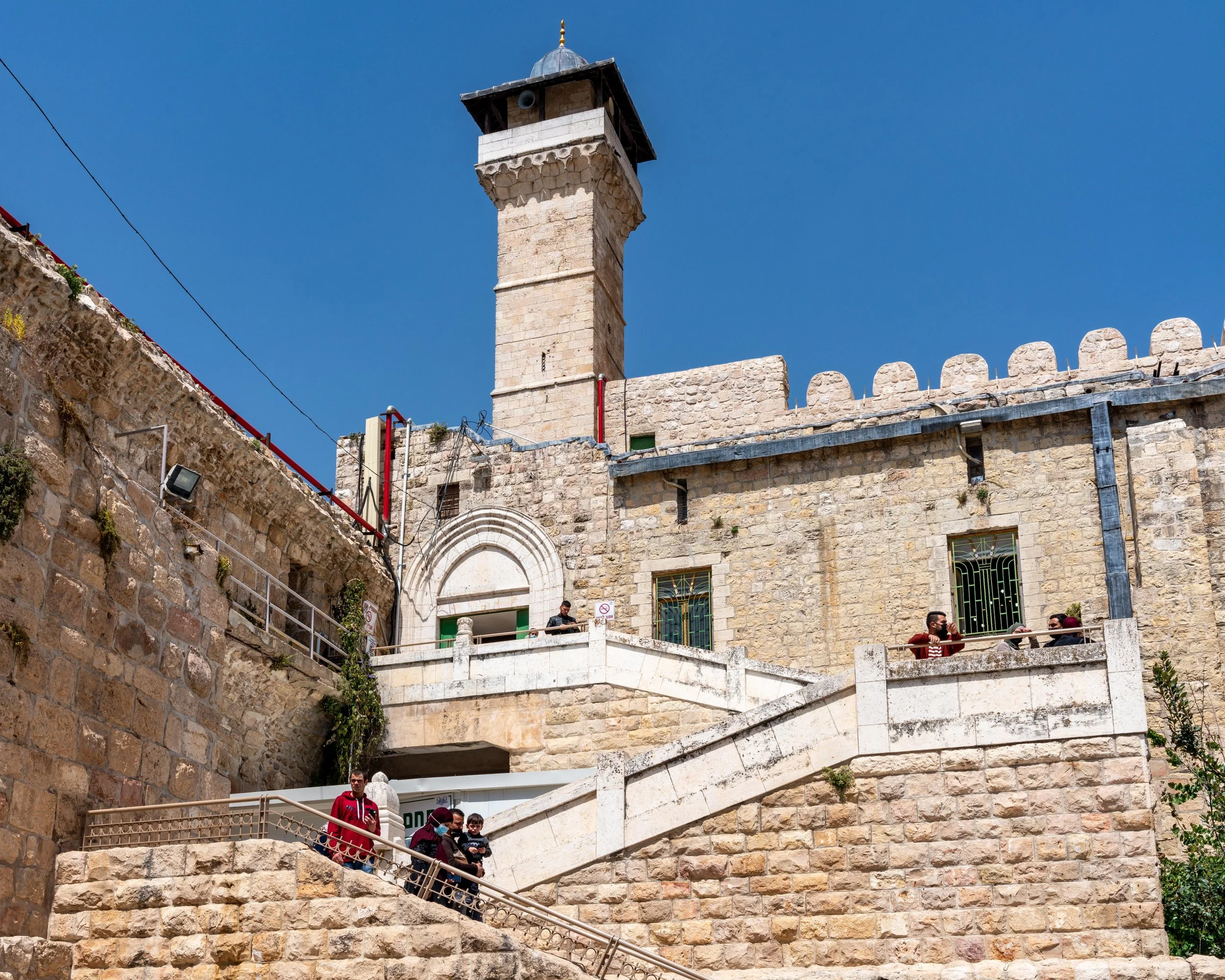
While working on setting up Hebron’s Old City Museum, I obtained special permission to photograph the Ibrahimi Mosque, a central focus of the exhibition. The images I took explore a building that carries multiple histories at once, and where shared religious significance meets the divisions shaping everyday access to the site today.
On the Road
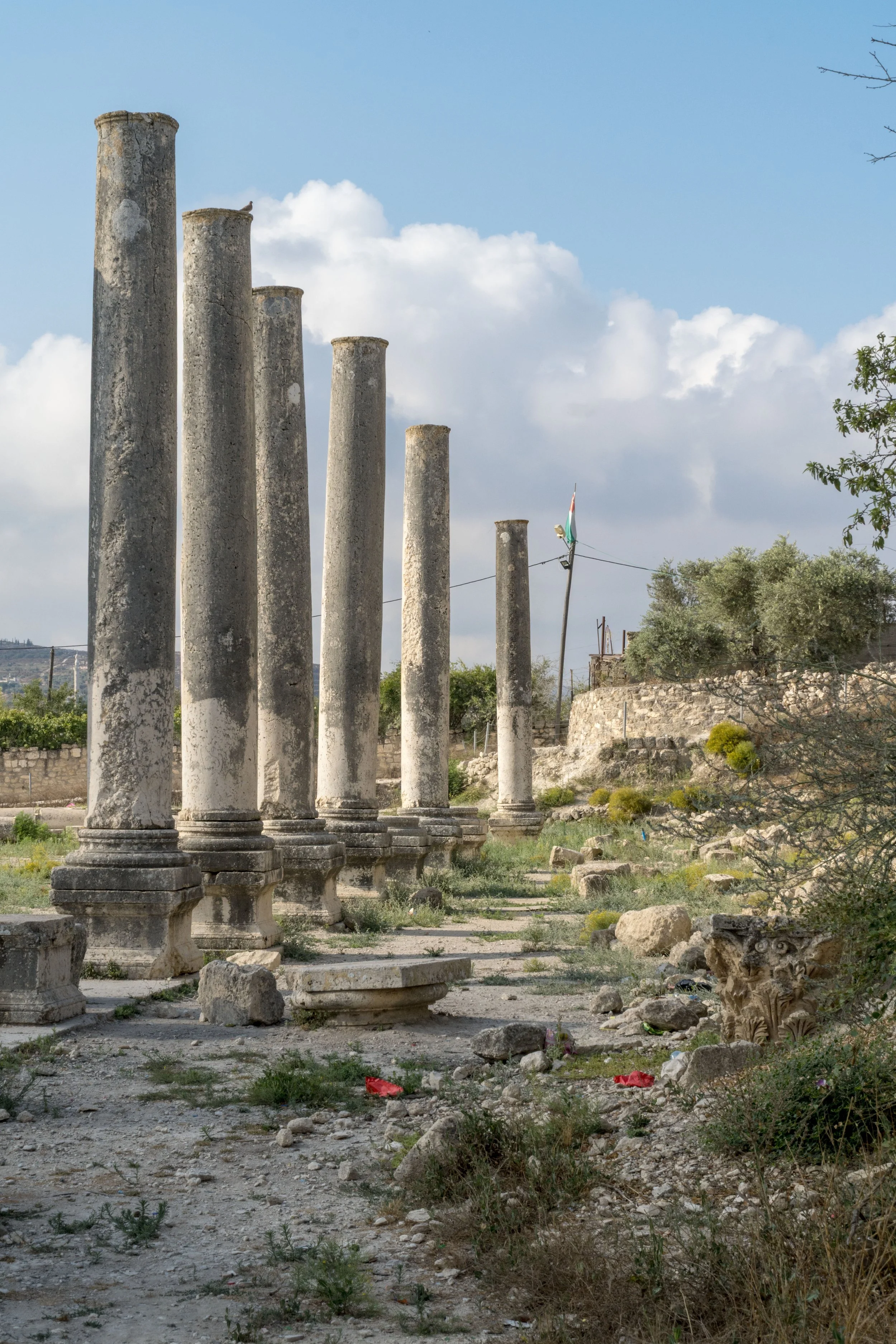
On the Road brought nine artists from Germany, France and Palestine together in Sebastiya for a residency to explore the place, meet its people and experience the realities of moving through a fragmented and segregated landscape. For me, the residency was as much about the time spent together, sharing food, stories, ideas and skills, as it was about the works that emerged.
Khalidi Library
Following the renovation of the Khalidi Library in Jerusalem – completed in 2018 – I curated and produced the permanent exhibition and a film for its inauguration. The project brought together three interconnected histories: the Library and its collection, the Khalidi family, and the surrounding neighborhood of Bab Al Silsileh.